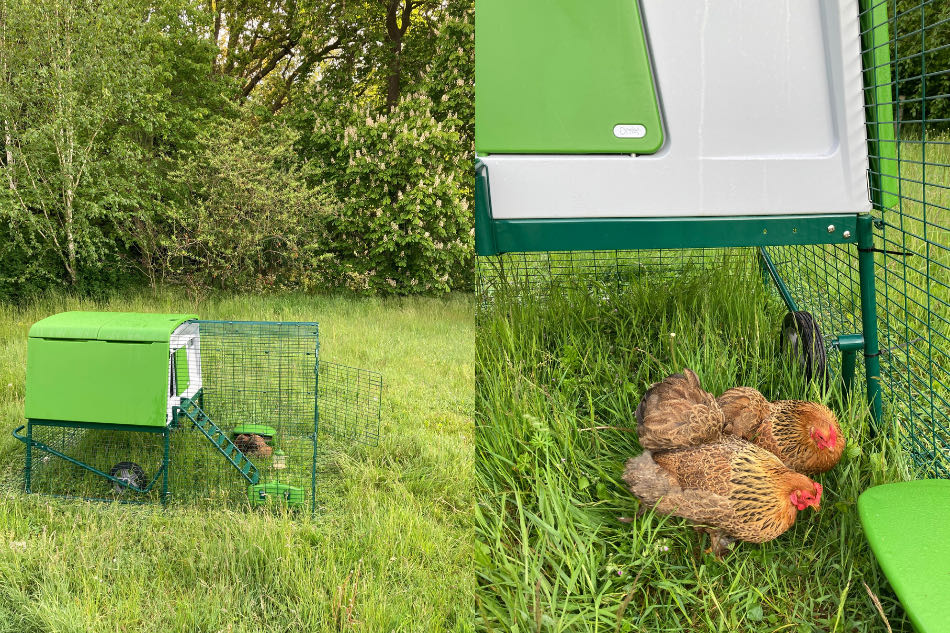
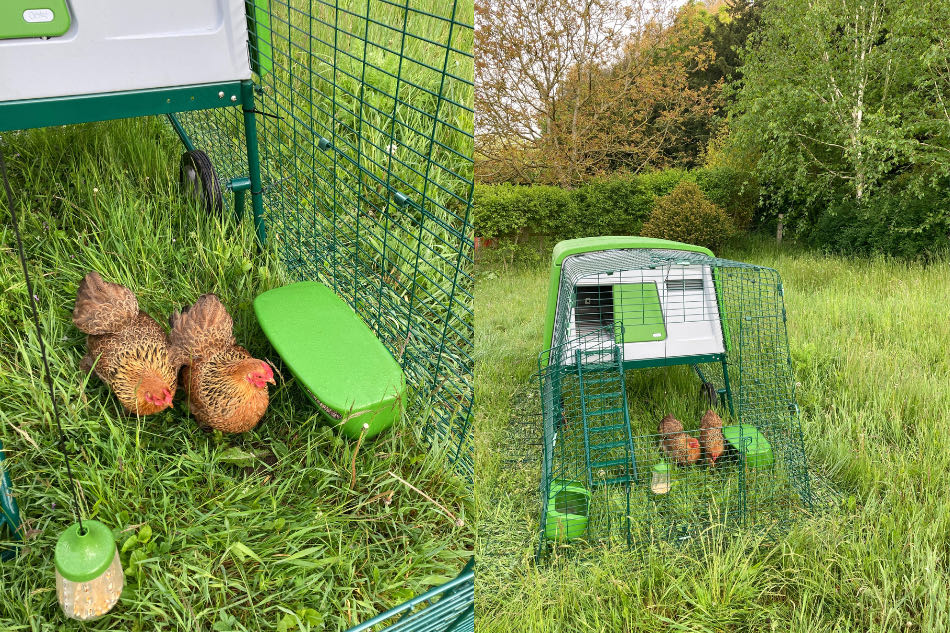
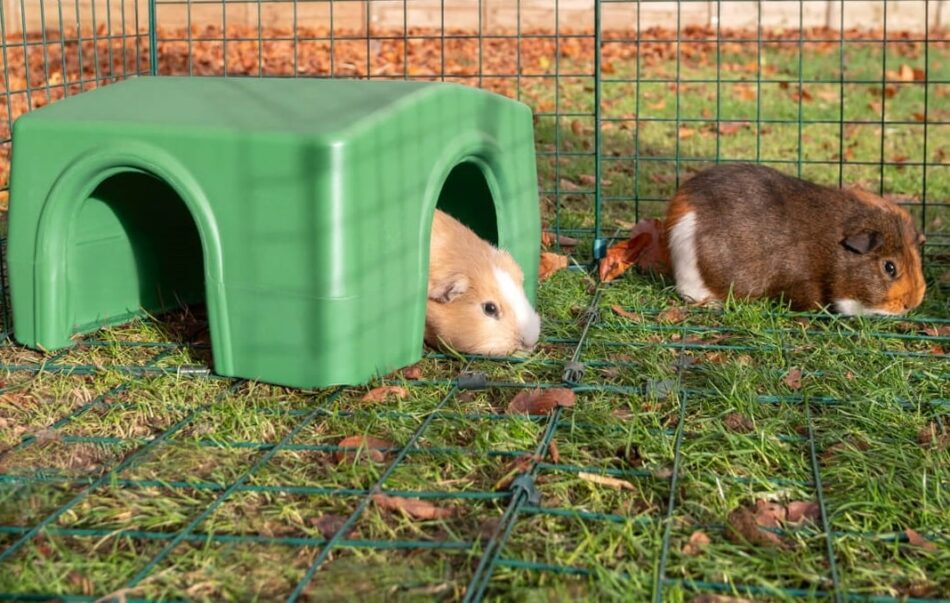
The Eglu Cube chicken coop is built to last – whatever gets thrown at it. The durable, twin-wall chicken house and heavy duty, steel weld mesh is strong enough to protect your chickens from hurricanes, tornadoes, bears, bobcats and more. These case studies are just some of the many stories from happy chicken keepers around the world.
This Eglu Cube survived a hurricane!
All parts for the Eglu Cubes are available as spares so if anything gets damaged you can easily repair it. Contact our friendly customer service team by email or phone, and they’ll be happy to help.
The Eglu Cube chicken coop holds firm against strong winds and hurricanes, and is easy to tie down or move into a sheltered area. After Hurricane Ian hit Florida at 150 miles per hour, Jeremy was astonished to see his Eglu Cube still standing, unmarked in the thick of the aftermath.
“Our Eglu (unbelievably) survived Hurricane Ian. We are 3/4 of a mile from the Gulf of Mexico near where the hurricane made landfall. Venice is badly damaged. Our neighbourhood, in particular, took a very big hit.
Our entire back yard was destroyed. The fence is a complete loss. Several large (30+ foot) pine trees fell down, including one into the neighbour’s roof and one that snapped the power pole in half. But the Eglu did not have a single scratch. We moved the chickens back in right away.”
Jeremy – Florida, USA.
This Eglu Cube survived a bear attack!
When you live in a rural area, with black bears for neighbours, it’s understandable to be worried about your chickens. But Tom’s Eglu Cube quite-rightly earned his trust when a 300 pound bear was unsuccessful in its attempt to break and enter his chicken coop in Virginia.
“We live in an area with black bears, coyotes, foxes, and other predators. Over the weekend our Eglu was attacked by a 300 pound black bear and despite the wire roof being smushed with its weight, the Eglu remained intact and no chickens were harmed. We most likely will need an electric fence but we were impressed with the coop being able to withstand the assault. Very impressed! Also, with 2 young children the Eglu is easy to clean and maintain – minimal maintenance required and our boys able to open and close the doors. Outstanding! The best coop we could have with our rural area and lifestyle”
Tom – Virginia, USA.
Over in California, Tracy and her sweet silkies also had an unwelcome visitor in the form of a large bobcat. But thanks to the Eglu Cube, Tracy enjoys peace of mind knowing her girls are safe and sound.
“We are the Lloyds, and we live in San Diego, CA. We have four silkies – Elsa, Nugget, Ickey, and Shuffle. They are the cutest and sweetest, little bunch. They like to stick together, and scratch for bugs, worms, and other treats.
The predator in the video is a bobcat, but we also have coyotes, owls, hawks, and more. Our house backs to a canyon, and we have frequent visits from various predators. We have so many visits, that I do not allow my poodles to go outside in the backyard unless they are next to us, and we are actively watching them, but I’m confident the hens are safe in their coop.
We purchased an Eglu Cube because we love our silkies, and we wanted to keep them safe. Although we still have a motion-sensor camera to monitor, the silkies have been happy and safe!”
Tracy – California, USA.
This Eglu Cube survived a fallen tree!
Thanks to the thick, twin wall house and steel frame, the Eglu Cube chicken coop is unaffected by the roughest of storms and its path of destruction. Anna from Germany saw for herself when a fallen pine tree squared up to the Eglu Cube.
Man, did we have a few stormy days! Everywhere in the neighborhood, trees were falling left, right and centre, and one of them on the edge of our premises, exactly where our Eglu Cube chicken coop is!
The giant pine tree fell across our Cube, but when we came out to check on the hens we couldn’t believe our eyes. The tree was resting right on top of the Eglu, but it hadn’t been damaged at all. As soon as the Autodoor opened, the chickens walked out and started to scratch around as if nothing had happened, and we could collect fresh eggs that same afternoon.
After some serious chainsaw work we were able to investigate the Cube, finding that only one roof panel was damaged, but we could even bend that back a bit. Unbelievable!”
Anna – Germany
Months after replacing her rotten wooden coop, Ashleigh was relieved to find her hens unharmed after severe storms had blown down a large tree, crushing her fence, but stopped in its tracks by the reliable Eglu Cube chicken coop.
“We’ve had storms overnight and went to let the chickens out this morning to find a large tree had come down from the bush behind the house and had landed on our fence and chicken coop. The fence couldn’t withstand the impact, but the Eglu Cube did. We replaced our old wooden coop with the Omlet one a few months ago as the wooden coop was rotting in our humid mountain air, and we’re so glad we did. Not only is it so easy to clean, I don’t think our chickens would have survived the tree falling on the coop. The coop does need some repairs as the run and coop itself have buckled, but I still can’t believe how strong it is.”
Ashleigh – New South Wales, Australia.
Tornado – yep, this Eglu Cube survived one!
Despite needing a good clean and a reshape, Lori’s Eglu Cubes survived a direct hit from a severe tornado in Texas, and her hens were unharmed – though a little shaken by the whole thing.
“We sustained a direct hit from a F3 (almost F4) tornado in April. Much of our ranch was destroyed (hay barn completely gone, barndominium, horse stalls and woodshop required demo to slab, house currently unliveable). We lost two cows and many trees. But, we survived in our tornado room with our dogs and our 2 Omlet Cubes and all of our chickens survived. One Cube was completely upside down and the other was trapped by fallen tree limbs and debris. The chickens were trapped by our hawk netting that collapsed with the tree limbs; actually fortutios and I think they would have been blown away – ah, the story they could tell! We were able to turn the one coop upright and get them all in one for that first night. Yes, 12 wet hens can fit in an Eglu Cube!
While the run and skirting are bent up, and I had to remove a few pieces of skirting, they are still functional. The back door on one sustained a hit that broke a small piece of plastic that makes the handle a little loose, but still functional. The Autodoors still work, one of the shade covers survived, as did the food and water bowls! Other than being scratched up, very dirty and with misshapen runs, they are fine! They have since had a thorough washing and if you didn’t look at the bent run, you’d never know anything happened! Thanks for making such a great product!”
Lori – Texas, USA.
Eglu Cube – 1, Mountain lion – 0
Pesky predators are no match for the Eglu Cube. Watch how this crafty mountain lion in Arizona made several attempts of sneaking their way into the Eglu Cube. But with its unique indestructible and anti-predator design, even the biggest of cats are left baffled by this coop.
Dug Rothrock – Arizona, USA.
This Eglu Cube saved hens from the flames
Disaster struck Erin from Arkansas when their backyard went up in flames. Fortunately, their hens were tucked safely away from the fire in their Eglu Cube chicken coop, which was able to withstand the terrifying event. Whilst the coop has been left with visual reminders of the blaze, Erins’s chickens survived thanks to the hard-wearing materials of the Eglu Cube.
Erin – Arkansas, USA.
So, how strong is the Eglu Cube chicken coop? From wild weather to wild predators, you and your chickens can rest easy with the Eglu Cube chicken coop, designed by Omlet and trusted by thousands of chicken keepers.
Got an amazing story to tell? If your Eglu has saved your hens from stormy weather or unwelcome visitors, please email us at blog@omlet.us.
Social Media Executive Rosie has been at Omlet for a year, and when she was asked by her managers if she was interested in broadening her chicken knowledge (and creating fun content for Omlet’s social media platforms) with her very own flock, she said yes straight away.
Since we last spoke to Rosie a few weeks ago, the 5 ex-caged hens have settled into their new home and are starting to discover the world outside the safety of their Eglu Cube and Walk in Chicken Run.
We let them out one nice afternoon after having had them on the run for a few weeks. They were quite hesitant at first, as if they didn’t really know what to do. But once they realized they could go and explore they absolutely loved it!
They have a few hours outside every day, and they run around on the grass, make dust baths in the borders and peck at everything. Before, we could go in and out of the run and they wouldn’t really be bothered about the door being open, but now as soon as we come to see them, they stand waiting to be let out and often try to escape between our legs. So they’ve definitely had a taste of freedom, and they love it!
Have you had any luck with Evie the dog interacting with them?
We still keep Evie inside when the chickens are out, just because I’m not sure how she would handle it. More than anything I think she would just like to play with them, but probably a bit too rough.
We’re going to get some chicken fencing for when they are all out at the same time, to create a kind of barrier. Once they are used to each other I hope that will be fine.
What do the hens do for fun?
They use the PoleTree in the run all the time, when I come out in the morning they are already on there. They haven’t reached the highest perches yet, but they’re slowly climbing up.
So far, they haven’t been too bothered about the Freestanding Perch Tree. We have it out in the backyard, and I think they are just too busy exploring everything else when they are free ranging that they don’t want to perch. But once it’s not quite as much of a novelty it’ll be nice for them to have somewhere to perch outside the run as well.
What else has happened since we last spoke?
Their feathers are getting a lot healthier, you can really tell a difference from when we rehomed them. One of the hens has got more or less a full plumage with really shiny feathers, and she was the one that looked the worst to start with.
We’re still getting 3-5 eggs every day, so we’ve had to start giving them away to friends and family. We’re super popular guests now!
I also gave them some strawberries from the vegetable patch the other day, and they absolutely loved it – they were going crazy!
Any problems?
Not really a problem, but we live in quite a rural area and the neighborhood cats have definitely sniffed out the hens. We can see them sitting on the fence looking at the chickens when they are out in the garden, and there was a red kite circling over them the other day as well. I don’t know if they would actually go for them, but I’m glad they are in the Walk in Run when we’re not there though, so I know they are safe.
Holly Callahan-Kasmala is a freelance writer and livestock historian. Chrisie DiCarlo is a retired veterinary technician and veterinary trauma nurse. Together, they have over 26 years of combined chicken care experience. They are the creators and cohosts of Coffee with the Chicken Ladies Podcast.
Summer is fast approaching and hot weather with it. This is the time of year that we get to enjoy garden fresh flowers and produce, but it also means protecting our flocks from overheating. This summer will mark our combined 28th year of chicken care in the hot and humid mid-atlantic. So, we’re going to share our top tips for tried and true ways to help keep your flock cool. Make sure you read to the end for our favorite summer snacks and treats.
The first and most important thing you want to provide for your flock is shade. A shady spot lets your chickens escape the hot sun. Direct sunlight can make temperatures feel as much as 10-15 degrees higher. Your flock’s water sources should also be kept in shade. All water containers, especially enclosed ones, will capture and hold heat from the sun. We keep extra ice on hand and liberally add ice to the chickens’ drinking water during the hottest days.
Trees are a great source of natural shade, but you can also provide human made shady spots. Hang sun shades made from sailcloth, canvas, even light colored natural fabrics that can help deflect the sun’s rays and create shadowy spots. Don’t forget to utilize the space beneath your chicken coops. Omlet coops that sit on stands create a great space for your chickens to go under for water and cool dirt.
Coops can get pretty hot during this time of year. Shade helps, but there are some other things you can do to bring down the temperature in your coops. We’re big advocates for careful use of fans with small grids (small enough that feet and beaks cannot fit in.) You can use either electric or battery powered, but our favorites are the battery powered fans. You can buy them with rechargeable batteries, and not have to worry about cords and power loss to the coops. We turn them on in the evenings and they help pull air through the coops. In our Eglu Cubes Chicken Coops, we simply zip tie a small battery powered fan to the inside of the back vent and let it create a cross breeze.
Ice packs, both store bought and homemade, are another great tool to utilize against heat stress. They’re very easy to make, simply wash and fill various sizes of plastic water or juice bottles with clean water and pop them into your freezer until they’re solid. You can use the frozen bottles in your run, or you can put one in a shallow pool or bowl and let your chickens wade in to cool off their feet. At night, a large bottle or ice pack can be wrapped up (to keep them clean) and placed into your coop. This is especially beneficial in Omlet coops – they’re so well insulated that an ice pack will substantially bring down the temperature in the coop. This is a life saver here in Maryland where it’s sometimes still 80F+ degrees when we’re closing up for the night.
With a normal body temperature of about 105F degrees, chickens really appreciate snacks and feed that are cooling and hydrating. The simplest thing that you can do is place some of their regular ration in a resealable bag and pop it into the refrigerator or freezer for a few hours. You can also go the extra mile – make a mash by adding water to your chicken’s feed, stirring in berries or other cut up fruit, and freezing it in a silicone mold. Your birds will love you for serving them this fancy treat. Recipe below!
There are several other foods that you can either buy or grow to treat yourself and your chickens, too. Melons of almost every type are about 90% water and contain lots of electrolytes as well as other nutrients. This is also some evidence that lycopene, an antioxidant found in watermelon, cantaloupe, and some other melons, can help reduce the risk of heat stress in poultry.
Chickens can eat almost every part of a melon. Everything from the seeds to most of the rind is edible. We like to cut chilled melon for ourselves, and leave a bit on the rind for the chickens. They love it!
Cucumber is also a wonderful, juicy summer treat for your poultry. You can cut it into pieces or feed it whole, with or without skin. If you do peel the cucumber, compost the pieces so that none of your flock get them stuck in their crop. Our chickens especially enjoy cucumber when it’s been chilled for a while.
You can make your flock a fruit salad for an afternoon snack. Line a small dish with some crisp, cool iceberg lettuce, and layer on some berries, cut up grapes (whole grapes can be a choking hazard,) diced apples and pears, and top with a few baby greens from your garden. You can also forage some young dandelion greens if you don’t have anything else nearby. Our exact recipe is below.
Heat stress is a very real danger for chickens and other poultry. With some planning, you can help your flock get through the worst of the summer weather. A combination of shade, cool water, ice, and some hydrating snacks can help keep the summer season fun for you and your birds.
Frozen Berry and Crumble Molds
2 cups of your flock’s regular crumble feed (pellets work but need to soak longer and may need more water) 2-3 cups of water or more, as needed 1 cored and cut up apple 1 cup of berries (we used a mix of whatever we have on hand)
In a medium sized bowl, mix the feed and water together and allow to sit for at least 5 minutes. You want the mash to be wet but not too sloppy.
Mix the fruit pieces into the mash and spoon it into silicone baking molds. You can use muffin tins or other molds but it’s easiest to get the finished product out of silicone.
Place molds in the freezer for about 30 minutes. When you’re ready to serve, pop the crumble out of your mold and serve on a plate or dish. Watch your happy chickens enjoy!
Iceberg Salad for the Birds
1 head of iceberg or other crisphead lettuce, washed 1 handful of grapes, cut into quarters 1 handful of berries, any kind 1 cup of melon pieces and/or leftover melon rind and seeds/strings 1 small handful of baby greens or sprouts 1 dollop of unsweetened yogurt (optional)
Find a chicken-safe platter or shallow bowl. Pull the lettuce into big pieces and line the dish with them. Place the melon pieces and any rind on top of the lettuce. Scatter the grapes and berries around the platter and top with the greens. If you want to gild the lily, you can dollop a small amount of unsweetened yogurt on top. Serve this treat to your flock on a hot afternoon and watch them dig in!
Caramel Quin and her children keep backyard hens in east London. This is their diary of introducing ex-battery hens to their older girl.
We started out with two hens and an Eglu Cube. A friend who had kept chickens for eight years needed her garden back and we’d been thinking about hen keeping, so she kindly passed them on to us. We named them Buffy and Britney (I make no apologies for brainwashing my tween kids to love late nineties pop culture).
That was just over a year ago. Buffy’s still going strong, Britney only lasted a few months. By then, we loved the girls and were already on the waiting list to collect ex-battery rescue hens from the British Hen Welfare Trust. We went as soon as possible: Buffy needed more chickens for company, or at least we did.
We drove to a nearby rehoming day and collected six birds, bringing them home in a couple of cardboard boxes. They looked sorry for themselves, skeletal, anemic. Their crests were pale and floppy. The dog, shut inside the house, pressed himself against the glass door and salivated like a cartoon hungry dog, even though they didn’t have much meat on them. The hen with fewest feathers was nicknamed Necky and looked more dinosaur than bird. The boldest was nicknamed Dora the Explorer as she sought out every nook and cranny in the garden.
A garden! It was hard to imagine that these birds had never been outdoors before. Everything was new as they exhibited natural behaviors for the first time, like scratching and pecking at the soil for bugs. We let them explore while Buffy looked on from the chicken run. Then we swapped them, and they ate while she was free range. Later we put them together in the run and watched excited as the first made it to the top of the ladder and found the Eglu.
On the first night, they didn’t all find their way upstairs to bed. A couple roosted under the Eglu Cube, so I went into the run and put them in by hand in the night. From then on, they knew where home was and made it into bed before the Autodoor closed to keep them warm and safe.
We gave them plenty of free-range time. We also doubled up on feeders and drinkers, so nobody got bullied away from dinner. The hanging feeder proved best because all seven birds could get around it at once. I swapped layers pellets for smaller layers mash for a couple of weeks because the birds were used to smaller food when they were commercially laying.
On their second day we found eggs laid randomly all over the garden, cutest was the one in the hollow of a dust bath. But within a week they had all figured out where the nest box was. Having never had more than two eggs in a day, it was a thrill to get five or six (and on one remarkable day, seven). Ex-battery hens tend to be good layers, they were bred for it after all.
On day two, I remember them freaking out when it rained: they had never experienced these tiny water bullets from the sky. Then there was a brilliant moment when I threw a handful of cherry tomatoes into the run and they dived away as if I’d lobbed a grenade into the trenches.
Bullying wasn’t as bad as I’d feared though. Buffy was outnumbered 6:1 by the newly named Willow, Betty, Mercury, Dora, Chirpy da Hen and Mango Buckbeak. (Listed in order of the age of the family member who named them… youngest last, as you can tell.) We added colored rings on their ankles early, before it was hard to tell them apart as their feathers grew back, though the feathers came in slowly because we adopted them in April. Apparently if you adopt in the winter, they get feathers faster because they need them for warmth.
Chirpy and Mango were the least feathered and most picked on, sometimes bullied away from food, but we gave them plenty of free range time so the bigger ones got out in the garden while the smaller ones ate. Gradually the bullying pecks gave way to polite pecks between all the girls, preening each other after a dust bath and freeing new feathers from their protective sheaths.
Seven months on, we still have Buffy and four of the new girls. Willow and Mercury didn’t make it: one died suddenly the other was unwell for a few days first. But we’ve also nursed others back to health: my signature banana porridge is now famous for bringing ill chickens back from death’s door.*
The star of the show is Chirpy da Hen, who I swear will live longest. She might outlive me. She gave us a scare a few months ago with a backside protrusion of epic proportions. We cleaned and examined it and were convinced it was a tumor not just a prolapse. We separated her in a pet crate so her sore bum wouldn’t get pecked by the others. We fed her banana porridge and gave her painkillers. Over a week, her bad butt gradually improved until we could miraculously pop it back in again and reintegrate her with the others. She’s fine now. No, she’s more than fine. She’s badass.
BHWT is careful to manage expectations: the lifespan of ex-batts is hard to predict. Instead, they say “your hen has at least experienced kindness outside of the commercial system which is more than she could have ever hoped for”. If you think pets are a good way for children to learn about mortality, try ex-battery hens. They’re fun, their eggs are yummy and it’s easy to feel positive about the good life you give them, no matter how long or short it is.
Ours have a great life with free range time every day. They eat well, even jump up to eat roses and fuchsias from the bushes and I don’t mind. The dog is used to them now and can go out at the same time without him acting like a cartoon hungry dog.
My luxury is upgrading to a Walk-in run with rain cover, which is as much for me as it is for the birds. I got it mostly so I can muck out the run without kneeling down. It also gives the girls plenty of space and lets the children and guests visit them any time.
We’ve gone full circle as Buffy is going through her first hard molt, she’s half bald in cold weather, while the ex-batts are nearly fully feathered. Next year we’ll probably add more ex-batts to our brood. I guess we initially got them thinking of the eggs but now it’s more than that: they’re part of the family… who just happen to lay delicious eggs.
For more information on battery hens and maybe opening up your home to some check out the ‘British Hen Welfare Trust’ for upcoming rehoming dates.
*We recommend only feeding your chickens treats occasionally. Always make their food outside of your kitchen to avoid cross contamination of food.
Social Media Executive Rosie has been at Omlet for a year, and when she was asked by her managers if she was interested in broadening her chicken knowledge (and creating fun content for Omlet’s social media platforms) with her very own flock, she said yes straight away.
Since we last spoke to Rosie a few weeks ago, she has rescued 5 ex-caged hens that now live in her backyard in their very own Eglu Cube chicken coop. We caught up with Rosie to see what the first few days as a chicken keeper has been like.
Why did you decide to rescue in the end?
We went to see some breeders, but none of them had any Buff Orpingtons available, which are one of Max’s favorite breeds. He’s always been keen on the idea of rescuing though, so one evening I went on BHWT’s website and realized there was an adoption pickup in the next village that same weekend. It seemed like a sign.
Now I’m really happy that we did, it adds another level seeing them be so happy when they’ve had a rubbish start to their lives.
What was the experience of picking them up?
It was all very well organized and efficient! I received an email telling us where and when to collect the hens, and the volunteers were super kind and helpful when we got there too.
We had originally reserved four hens, but they had a few extras, and we couldn’t resist taking one more home with us! We knew these particular rescue hens were ex-caged hens, but I actually expected them to look way worse than they did. Three of them are in a pretty bad state in terms of feathers, and one has a bit of a wonky beak, but they all seem relatively healthy. I can’t wait to see their transformation in a few months!
While I put the hens in the dog crate we had brought and got them in the car Max got talking to the volunteers. They do the full rehoming process in one day to minimize the stress for the poor hens. Such a crazy thought they were in cages that same morning, and now we were taking them home to our backyard.
What were the first days like?
We put them in the coop for a few hours to get them used to it, then let them out into the run. It was amazing seeing them have all these firsts. We have wood chips in the Walk in Run, but under the coop there’s a bit of grass, and they were absolutely amazed by it. They were pecking and scratching like crazy.
I couldn’t stop watching them explore. We picked them up and put them back in the coop the first night but looking back I’m not sure we would have had to, because on the second night they all climbed back in by themselves when it was bedtime. Fast learners!
There was a bit of squabbling the first days, I could tell they were working on the pecking order. I was prepared for fighting and bullying, but it really wasn’t very bad. The top hen makes sure she gets to eat first, and if someone tries to cut the queue she gives them a peck, but once she’s finished, she’s happy for the others to have their go.
Have they produced any eggs?
Yes, lots. I’ve been giving quite a few to Mum as she’s been baking cakes for my nieces’ birthdays, but there’s still plenty for me and Max. I’m sure I’ll be bringing them into the office soon!
How is your dog finding it?
When we first let her out in the backyard after the hens had moved in she would stand by the run and stare at them and whine – she really wanted to get in and meet them. She leaves them alone when you tell her though, and she’s already losing interest, so I hope they’ll get along.
A funny thing is that when I let her out in the garden unsupervised she doesn’t even go close to the coop. I was watching her from the window and she was just doing her own thing, but as soon as we’re in the backyard with her and give the chickens any attention she suddenly wants to join in. So there’s probably a bit of jealousy there.
The chickens are not scared of her at all though. When she stands by the run they walk straight up to the mesh and look at her.
Any surprises?
I’m a bit surprised by how much I already like them. When I’m working from home I go out and see them a few times every day – they’re definitely time wasters, but in a good way. Everyone at work is saying how much I talk about them already; I’m quickly becoming a crazy chicken lady!
They have got really tame super quickly. To begin with they would run away when we came close, but now they take corn from my hand and let us hold them. I knew Max would love being a chicken keeper, and he’s really enjoying it, but I didn’t think I would get this attached so quickly.
Now they are used to their home I am going to let them out to explore the backyard a bit more, I’m really looking forward to that.
Amy Shore, the lovely lady behind the Instagram account chicksandveg, is a gardener and chicken keeper living in Norfolk. In this blog she is sharing her experience of what it’s like keeping chickens as a gardener, giving you some helpful tips on what you can grow for your chickens, and what you can do to keep them off your prized crops!
My garden just wouldn’t be the same without my chickens. As I shuffle round, their chatter keeps me company and there is something so joyful about seeing them have a dust bath under the hedges or weed my paths! My chickens love helping me out in the vegetable patch but if I left them too it, I wouldn’t have many veg left! So, I’ve tried to design my garden in a way that allows all of us to enjoy it.
Setting up your space
It’s a good idea to have the ability to move your chickens around the garden and shut off areas you don’t want them exploring. I’ve divided my garden into areas, some the chickens are free to explore and others are kept gated. This isn’t possible in every garden but the same can be done using temporary fencing. I’ve used chicken fencing and even expandable trellis to section off areas. It’s a good idea to move your chickens around, giving areas of your garden or lawn a breather and it keeps your chickens busy exploring new spaces.
Despite being mostly able to range freely in my patch, I do have a safe and secure home for them in the form of their Walk in Chicken Run from Omlet. It’s got plenty of room, treats and perches to keep them occupied, and it provides a great space to shut them away if required.
I use raised beds in my vegetable patch which stop my hens nibbling my vegetables but if you want to guarantee your chickens can’t access your precious veg you could look at using tunnels or netting to cover them. I have hoops and netting over some of my seedlings to keep pests out but they also help to keep hungry chickens at bay too!
Growing for chickens
Don’t get me wrong, while I like to make sure my chickens don’t help themselves to everything I’m growing, I do like to treat them every so often! I grow lots of ‘extra’ veg throughout the season and my hens are great at tidying up any plants that are looking past their best.
My favorite thing to grow for my chickens are speedy salads and super quick microgreens. I have a few pots that I dedicate to sowing and growing some tasty treats for the hens. Each week I’ll scatter a few seeds in a pot or shallow tray and some of the speediest microgreens can be growing after only a few days. They finish them off in a few minutes but their happy chirps are so worth it!
Another speedy crop that doesn’t take up too much space is radish! Plus, if you want to keep the root yourself they love the leaves on their own! Speaking of leaves you’ll often find me pulling off and sharing the outer leaves of brassicas and lettuce with my hens. They love chard too which is handy as it thrives in my garden and I’m often overrun!
I don’t just grow vegetables for my hens! They are big fans of sunflowers (aren’t we all). So, once they’ve finished blooming, as well as leaving some for the garden birds, the chickens love nothing more than pecking out all of the seeds. Nasturtiums are another beautiful bloom which I love to have dotted round my garden, they grow well in hanging baskets and draped over the edge of beds. Perfectly placed for hungry chickens and they distract them from my vegetables!
Chickens bring so many benefits to the garden. They are great at pest control for slugs and other critters, they provide manure which when broken down properly can act as a brilliant fertilizer and most of all, they are great company! I’ll always share my garden with my chickens, and I want to make sure they enjoy it as much as I do!
Social Media Executive Rosie has been at Omlet for a year, and when she was asked by her managers if she was interested in broadening her chicken knowledge (and to create fun content for Omlet’s social media platforms) with her very own flock, she said yes straight away.
“My partner Max has always wanted chickens – he was so excited when I got this job as he thought it would make me more keen to keep hens. So when they asked me I knew he would be over the moon, and I was right. But I’m of course also really excited!”
How much research have you done so far?
“I read ‘What the Cluck’, Omlet’s chicken keeping book, which was really helpful. I have obviously picked up some knowledge when working with pet content and seeing the chickens at the office. I also manage Omlet’s Facebook Group for chicken keepers, that’s where you get to hear what it’s really like.”
“We set it up a few weekends ago, and we didn’t fight once! To be fair, Max did most of it by himself while I painted the fence, and it was really nice and sunny, but despite being quite a lot of products it was pretty fun actually.
Although ‘flockdown’ is now over in the UK and the chickens are allowed to free range we will probably keep them on the run for a bit to get them used to the space and each other.”
Have you decided what chickens you’re getting?
“There’s been a lot of discussion about this, we didn’t completely agree to begin with. But in the end we decided we wanted good layers, and quite big hens rather than bantams, so we went to see someone that breeds Buff Orpingtons, and I think that might be the breed we’ll go for.”
Rosie and Max are not the only ones in the family; they also live with Evie the Sprocker.
“I’m really not sure how she will react, but she’s been very interested in the coop going up. We will slowly try to introduce her to the chickens and hopefully she’ll be alright. She’s quite small, so maybe a big chicken will scare her a bit? We’ll see, but to start with she won’t be allowed into the garden if the chickens are out free ranging.”
What are you most looking forward to about becoming a chicken keeper?
“I really like the thought of having them around in the garden, pottering about. Of course the fresh eggs. My mum is a keen baker, so I’m sure she’ll be happy to have a few! And then I’m just looking forward to seeing Max with them, hopefully it’ll be just like he’s imagined it”.
And is there anything you’re scared of?
“I guess I’m a bit worried they are going to get ill or get some kind of parasites, it’s not nice to see your animals feel bad. But I also know that once you have a pet, making sure they are happy and healthy is not something you see as a problem or a hassle, you just do what you can to look after them in the best possible way.”
We’ll catch up with Rosie again next month when she’s picked up her chickens to hear how they are all getting on!
Miriam Drennan grew up on an organic farm with chickens, guineas, quail, cows, ponies, dogs, and any number of cats. She now lives in an urban neighborhood in Nashville, Tennessee, and works as a freelance writer. She has had her current flock of hens for about two years. Even in an urban setting, she retains the practices her father taught her regarding how to care for the soil, plants, and creatures responsibly. It’s worth mentioning that her two rescue dogs, Anchor and Chance, are not much help around the house, and simply coast through life on their looks and charm. Miriam is also an enthusiastic Omlet ambassador, so if you happen to pass by Tennessee and are interested in any of the products she has – get in contact!
“What’s it like, raising urban chickens?”
I get this question a lot, once people learn that I have hens in my backyard, three miles from downtown Nashville, Tennessee. Thanks to the Omlet system, it’s quite easy.
So—what is it like, raising urban chickens? The timeline will shed a little light on what an average day might look like for me.
7:15 a.m. The sun is just beginning to stir, but not fully awake, which is a good time to refill the feeder with fresh food and replace the water in the drinker. It’s easier to do this before turning them out; I can leave the gate open and wander in and out freely, which comes in handy when you are lugging heavy containers and bags. My girls eat organic food, sprinkled with some herbal supplements to keep their yolks bright yellow and their immune systems healthy.
7:30 a.m. This will be a big morning for them, because they are getting their Free Standing Chicken Perch! Where to place it? Finally, I find a spot and insert the stakes—the rain we had recently helps them go in easy, then I add some dried mealworms to the treat tray that attaches to it.
7:45 a.m. It’s still a bit chilly this morning, so I add another layer of straw on the floor of their yard. They have scratched it bare, which is what chickens do, and the straw keeps their feet from getting too cold. In the summer, I switch to shredded pine mulch.
7:55 a.m. Next, I sprinkle their yard with grit and oyster shell for their gizzards and calcium intake, respectively. Chickens enjoy scratching for treasures, so it doesn’t matter if I leave these in small bowls or sprinkle throughout their yard.
By now, the girls are stirring—they know I’m there, and they’re ready to get out and play. Time to turn the crank . . . and out they come, like big feathered cannonballs shot out of a cannon (who needs steps when you have feathers?). As they fluff and flap, let me introduce them:
Zuzu: A White Leghorn who looks brown because she likes to drink from mudpuddles. Although Zuzu is the smallest, she is the queen of the flock.
Daisy: An Easter Egger and friendly, she is the largest in the crew.
Dixie: An Olive Egger and shy; Dixie is a beautiful bluish-grey hen and her feathers are outlined in darker grey.
Beaker: A Speckled Sussex and a bit of a rebel. Beaker’s finally getting tiny pops of brilliant green, purple, and blue feathers after this last molting.
8:10 a.m. As expected, Zuzu is the first to approach the perch tree, cocking her head a bit. She realizes this new “thing” in her yard has treats, so she’s good with that. Beaker is next, followed by Daisy. Dixie is shy; she hangs back and eventually, snatches a mealworm and runs back to safety.
I leave them to get acquainted with their new toy.
8:30–9:45 a.m. They sing their egg songs for all the neighborhood to hear. (Thankfully, my neighbors think it’s funny.)
10:00 a.m. Lawn Man has arrived to mow and trim, and as far as the girls are concerned, he is Public Enemy #1. They don’t like his noisy machines and they don’t like him in their yard, even though they are completely enclosed and safe in their Walk-in Run. After running around, trying to figure out where to escape Lawn Man’s motorized beast, they settle for the area underneath their coop. I recently enclosed this section with a few Omlet Heavy Duty Tarps as another place they can use for privacy. They love it. It’s a great little space for dust baths, running from the Scary Evil Snow that falls, or just to gather and cluck. Only Zuzu dares to walk out and challenge Lawn Man, who tips his hat to her and mows on.
12:00 p.m. I have time between work calls to check for eggs. Happy hens are productive hens, and mine lay fairly consistently all year long. I credit the Eglu Go Up for a lot of this, because its insulation and design help maintain a fairly consistent temperature inside the coop. In the winter, I wrap the coop in Omlet’s Extreme Temperature Blanket, and if the temps dip to single digits, I might stick a hot water bottle inside with them—a bit of overkill, perhaps, because the Eglu’s insulation and the hens own body temperatures keep things quite warm inside. Each of mine lay an egg of a different color, which helps me keep up with who is producing and how often.
When I take a peek, I see that they’ve had a busy morning—all four have produced!
2:30 p.m. It’s warming into a nice spring day, so it’s time to clean the coop. Normally, it might take me 15–20 minutes total to clean, but today, I need to give it a really thorough scrub, so it might take about 30 minutes total. I dump the droppings into my composter and head for the outdoor spigot. A drop of the original Dawn dishwashing detergent makes this easy—the actual scrubbing takes less than 15 minutes. I leave the tray and roosting bar in the sun to dry while I wipe out the coop’s interior, which is easy. Zuzu wanders underneath to supervise, and lets me know whether I’ve missed a spot.
I finish drying the trays by hand and add soft pine shavings for a nest. Sliding the trays back in, I open the coop door again, so that each one can hop up the ladder and critique my work. Zuzu makes a point to tear up the nest within minutes after it’s in place—I’m not sure if that’s a compliment, or if she’s demanding a do-over?
4:30 p.m. My neighbor Lisa texts that she has some spinach for the girls. We place the spinach in their Caddi Treat Holder. Their reaction is priceless; to them, Lisa = Spinach, so they’re always excited to see her. We chat and watch them still figuring out their new perch tree.
7:30 p.m. The sun is setting; most of the girls have gone up. All but Beaker. Always Beaker. Why does she linger and wander around?
7:32 p.m. Beaker, aren’t you tired?
7:35 p.m. C’mon Beaker, why do you do me this way?
7:42 p.m. She’s going, going . . . nope, false alarm! She’s back in the yard. And now she’s got Dixie with her.
7:50 p.m. Dixie hops back inside the coop. Beaker, why won’t you do the same?
8:08 p.m. Finally, finally, Beaker turns in. I slink back out to the coop, because I know the slightest noise will bring her right back out. I quietly unhook the fence and turn the crank on the coop’s door.
Good night, ladies, I whisper.
I hear a gentle cluck-cluck-cluck as I’m walking away, telling me to sleep well.
Only now am I aware of hushed laughter, a neighbor’s guitar, and a faraway siren to remind me that yes, my chickens are city girls, and thanks to the Omlet system and accessories, they are safe, happy, and healthy.
Sometimes chickens behave in a strange way, and it’s not always easy to figure out if it’s normal chicken behavior or whether something is wrong. Here are some things your flock might get up to, so you can easily figure out what they are actually up to!
My chicken is rolling around in the flower bed
This is completely normal. Chickens don’t wash themselves with water like you and I, but to get rid of dirt and parasites from their skin and feathers they have dust baths. When doing so, they look for a dry piece of soil or sand. They then lie down and use their wings to flap up the loose dust to let it run between their feathers and “wash” away dirt. It can look a bit strange, almost alarming in some cases, but it’s something they love doing and that is very good for them as well.
My chicken is losing its feathers
Whether or not to worry depends on how your chicken is losing them. All chickens lose their feathers once a year in a process called molting, where they shed old feathers and grow new ones in a way to keep the plumage strong and healthy. This can look quite messy, and you might find that hens stop laying while molting. However, this is completely normal, and you don’t necessarily have to intervene in any way.
If you notice that your chicken is losing feathers but is not molting it could be a sign that something is not right, especially if she has got bald patches on her neck or chest. This could either be that she’s picking her own feathers, or that she is being badly bullied by others in the flock. Both of these things could indicate that your chickens are stressed or bored, often due to lack of space and stimulation. Inspect the flock as they interact with each other and see if you can notice any feather pecking.
If you’ve got a hen who is refusing to leave the nest box, it’s most likely because she is feeling broody. This happens to hens from time to time (to some breeds more often than others), most likely because a maternal instinct has kicked in and she wants to sit on her eggs until they hatch. To her, it doesn’t matter that they aren’t fertilized and will never result in any chicks – she will stay put regardless.
You will probably struggle to move her from the nest box but put on some gloves and try to get her out to make sure she gets to move around and have some food and water. A hen will most likely snap out of this state after around 21 days, but there are ways to break the broodiness and prevent it happening again. You can read more about it in this previous blog post about broody hens.
My chickens seem to be bullying another hen
Unfortunately this can also be seen as normal chicken behavior. Chickens in a flock need to establish a pecking order to decide who is top hen, and this is often decided through some rather unfriendly pecking and flighting.
If you have just introduced some new chickens or if the flock is new, you will likely see some fighting for a week or so. As long as no one is getting seriously injured, you’re best off staying out of it. If your hens however have been living together for a while and you still find that the other hens are picking on a specific individual you might have to interfere, as this will be stressful for the whole flock.
It’s always best to separate the main bully. Keep her elsewhere for a few days, and then slowly reintroduce her to the flock. In some cases, a rearrangement in the pecking order can solve things.
My chicken is eating its eggs
This is not normal chicken behavior. It’s not necessarily bad for your chickens’ health if they get into the habit of eating their eggs, but not only is it annoying for you to miss out on delicious eggs, it could also be a sign that something is not right.
The cause of this behavior could be that your hens are dehydrated or vitamin deficient, or that they are stressed or anxious. It could also be that they feel the nesting box isn’t safe or comfortable enough. The nesting box in the Eglu Cube Large Chicken Coop is a good example of what chickens like when laying. Its’ dark, deep and private, and up to three hens can nest at the same time.
Keep on top of egg collection and keep an eye on your chickens to make sure they are otherwise happy, and they should hopefully snap out of the habit before too long.
My chicken is panting
Chicken have no sweat glands, so like dogs they drive off body heat by panting. This is normal chicken behavior and just a way for your hens to stay cool, so unless the panting is excessive and you have made sure she has access to shade and plenty of water, it’s not necessarily something to worry about.
That being said, panting can also be a sign of stress or breathing problems, so if it’s not warm outside or your chicken is panting more than you think is normal, you should definitely check for other symptoms, and potentially take her to the vet for a check up.
My chicken has stopped laying
Again, it depends on a few different things, mainly the age of your chicken, the time of year, and your hens’ general health. It’s normal for most chickens to stop laying over the winter, as egg laying is strongly linked to hours of sunlight. They will also stop laying when molting, or if something has interrupted their routine.
Again it’s useful to take a step back and see how your chickens are doing. Carry out a health check to make sure they are not ill or have parasites, check that they are getting enough good quality feed, and make sure there isn’t anything in or around the coop that is making them stressed or anxious.
It should also be said that hens only have a predefined number of eggs in them, so if your hen is getting older it’s completely normal for her production to slow down and eventually stop. This is particularly common for ex-battery hens who have been laying intensely for the first 18 months of her life. You can read more about why chickens might not lay in this blog post.
We hope that was helpful. If you have any other questions about normal chicken behavior, comment below and we will follow up with another post! You will also find lots of other Omlet blog posts that go into more detail about the behavior we’ve mentioned here, so check it out to learn more!
No, not those chicken wings. If you’re looking for a recipe or tasty takeout, you’re in the wrong place. We’re taking a look at everything you need to know about chicken wings, actual chickens’ wings, and answering some common questions.
Can chickens fly?
Yes, and no. Chicken should technically be able to fly, they have strong wings, large feathers and hollow bones that makes the body lighter. The ancestors of today’s chickens, the red jungle fowl, escaped land-based predators by flying up into trees. Having said that, not even they were able to fly longer distances, as they didn’t have the endurance.
When chickens were domesticated, and later on selectively bred to produce more eggs and more meat, their muscles grew, and most backyard chickens today have too big a body for the wings to hold them. So, while you might see lighter chicken breeds flapping their wings to get up onto their chicken perch tree, garden chairs and low hanging branches, they would struggle to get very far.
Do chickens want to fly?
In general, if your chickens have enough enrichment and feel happy with their chicken coop and run, they will have very little interest in flying. Make sure they have opportunities to carry out all their natural behaviors, like perching and pecking, and that they have ample space to move around.
Give your hens a safe environment, for example with a large Eglu Cube Chicken Coop and Walk In Chicken Run, and they won’t be looking for greener grass. If you’re having some trouble with adventurous chickens trying to escape, read our previous post Help, My Chicken Keeps Flying Away! for more tips.
How do chickens use their wings?
While chickens are more or less flightless birds, they still use their wings for other purposes. As we mentioned, the wings help chickens jump, sometimes impressively high, and they are also useful for balance when getting down from an elevated space.
Chickens also use their wings for mating, to regulate body temperature, and to scare off predators. Mother hens also shelter their young under their wings to keep them warm, and to hide them from external threats.
Should l clip my chickens’ wings?
This is a commonly discussed topic among chicken keepers. While clipping a chicken’s wings doesn’t cause them any pain (as long as you do it right), some people still think chickens should have the opportunity to fly, however limited. This is as it gives them a possibility to escape potential danger.
Other chicken keepers argue that clipping the wings and stopping a particularly flighty hen from escaping the enclosure and running into the neighbors’ backyard or out onto the road is actually the safer option.
Whether you want to clip your chickens’ wings is up to you, and depends a bit on your circumstances, but if you do decide to, you will need to make sure you do it right.
How do I clip my chickens’ wings?
All you need is a sharp pair of scissors, and ideally an extra set of hands to hold the chicken.
Extend the wing fully
Identify where the primary flight feathers meet the covert feathering. This should be a pretty obvious line.
Only cut the primary feathers, and be very careful you don’t cut the body of the wing itself. This is normally about 10 feathers.
Never cut growing feathers with a dark quill, these are growing feathers that will bleed if cut. You only need to clip one wing, as this will make the hen unbalanced, and unable to lift very high.
Watch this video to get a full understanding of how to properly clip your chickens’ wings!
Do the wings grow back?
Yes, when the hens molt they gradually lose their feathers, and grow new ones. These will grow to full length, even if you clipped the old feathers. Backyard hens (and roosters) molt once, or maybe twice, a year, so that is how often you will need to cut the feathers if you want to stop your birds from flapping over the fence.
What are wing claws?
Wing claws are small curved claws that stick out from the last joint of the wing. This is a trait left over from when the birds needed to climb up trees and then glide down the stems, and were possibly also used in fights.
As the birds have evolved to no longer need these claws, they have grown much smaller, and on many hens they are not visible.
Considering hatching chicken eggs? Well, you’re in for an exciting time! Hatching eggs is an unforgettable experience for any chicken keeper but before you begin, here is the hatching eggs 101 guide to ensure that you and your chicks get off to the best start!
Why should I hatch eggs?
First and foremost, chickens make fantastic pets. In fact, this month we’re telling you all about why chickens are so great! Have a read of our Chicken Keeping Mythsblog that will set straight facts from fiction when it comes to getting chickens.
In addition to this, hatching eggs is an incredibly rewarding experience. From incubating eggs to seeing your chicks hatch, and then going on to flourish as adult chickens. You really do witness life from its very beginning!
Can I hatch supermarket eggs?
Here we have a very common egg hatching myth… or, is it? We’ve all heard a story from a friend of a friend who has supposedly hatched a supermarket egg. While the possibility of this seems exciting, the reality is that is a highly unlikely event.
For an egg to hatch it must be fertilized, and fertile eggs are hardly found in our supermarket aisles. For an egg to be fertilized, the hen must have had access to a male chicken. This does not occur for most chickens that produce eggs for our supermarkets. However, you may find that if you shop for eggs at a farm shop where hens have had interaction with a cockerel, the eggs you pick up could, in fact, be fertile. This still doesn’t mean you’re guaranteed to hatch chicks, though, as the conditions in which the eggs are contained also plays a role in the development from egg to chick. For example, being refrigerated or the humidity levels being unsuitable, will stunt this development. So, if you’re looking to hatch chicks, supermarket eggs is probably not the way to go.”
Where do I get the eggs?
One good place to start on your egg hunt is by contacting a reliable chicken breeder. It’s important to note that while a chicken breeder can be confident that the eggs they’re selling are fertilized, this still doesn’t mean a 100% guarantee. Therefore, choosing an experienced breeder will give you the best chance. The method most breeders will use to see if an egg is fertilized is called candling. This is whereby an egg is very literally held up to a warm candle. If the egg appears to be opaque when candled, then it is most likely fertilized.
Alternatively, you can also buy fertilized eggs online from websites such as eBay, Craigslist, or browse chicken keeping forums. Again, always buy from sellers with a good reputation. If you’re unsure of what chicken breed is right for you, have a read of ourChicken Breed Guide to find your perfect fit!
Regardless of whether you obtain your eggs from a breeder, farmer, or via an online community, if you can, opt for a local breeder or farmer over having your eggs shipped to you. This is because shipped eggs have reduced hatch rates. This is mainly due to conditions such as excessive shaking/poor handling or the temperature they have travelled at.
What do I need?
Hatching eggs doesn’t have to be complicated! If you’re new to the incubation process, it might initially seem a little daunting trying to work out how you can take your eggs to baby chicks! Fortunately, Omlet has everything you need to guide you on along the hatching process. Other than of course fertile eggs, you’ll only need an egg carton, water, and most importantly an egg incubator to begin.
Asmaller chicken egg incubator like the Brinsea Mini II Advance is ideal for beginners. It can hatch up to 7 chicken eggs and is fitted with a digital alarm and countdown to hatch day system.
If you’re looking to hatch more eggs, theBrinsea Ovation 28 EX incubator is great, with space for up to 28 chicken eggs, along with a range of advanced features like automatic egg turning and an incubator temperature alarm. The egg incubator also has an automatic humidity control feature, and with two of the leading causes of hatching failure being incorrect temperature and humidity levels, it’s helpful to be able to keep track of this. The optimal temperature for hatching chicks is 99.5 degrees Fahrenheit, but for a more in-depth guide on what temperature and humidity levels should be throughout the process, take a look at ourStep by Step Guide to Hatching Chicks blog, which will take you through a daily routine towards hatching eggs.
How long will it take?
The incubation period for chicken eggs is usually 21 days. This being said, some eggs may hatch slightly before or after this period. Approximately between 25-50% of eggs, however, might not make it to hatch day for various reasons. Some are due to the incubation process, while others are out of your control. For example, a genetic problem with the embryo.
Alternatively, you can let a hen do the work and put fertilized eggs under a broody hen. However, if that’s not possible for you, hatching artificially is a great option!
What happens when the eggs are hatched?
It’s day 21 and the big hatch day has arrived! The first sign of hatching you’ll notice is known as pipping. This is when your chick will break a small hole in its shell. The next stage is called zipping! During this stage, your chick will start turning inside its shell, before making a full breakthrough! At this time, keep a close eye on your eggs, as the zipping process can be as quick as 30 minutes!
As previously mentioned, however, some eggs take a bit longer to make an appearance than others. Therefore, you should avoid removing any chicks that have already hatched from their incubator too soon. This could hugely disturb the environment for any other remaining eggs that are left hatch. You should wait up to 12 hours before considering assisting with hatching as a last resort. Chicks can go 3 days without food or water, so do not be in a rush to help with hatching, therefore disturbing your chicks, if this is not completely necessary. Before you then go on to remove any remaining eggs inside the incubator that have not hatched, wait until day 25 just to be safe.
Before deciding on hatching eggs, it’s a good idea to know what your plan is should the result be a male chick/s. In the world of egg production, male baby chicks are considered a by-product of the industry. They are, in many circumstances, therefore discarded at an early stage of their lives.
Ultimately, many chicken keepers decide on keeping only female chickens, or hens. This is because cockerels, which you might have heard being called roosters, can have their downsides. For one, they don’t produce eggs! However, this doesn’t mean a cockerel won’t fit into your life perfectly, depending on why you want to keep chickens. Have a read of our guideEverything You Need To Know About Keeping Roosters, which will help you to decide on whether one of these beautiful birds is right for you.
Something worth noting here is that it can be difficult to sex chicks until they are slightly older. It’s not usually until between weeks 5-9 when they’ll start showing these determining differences. For more information on this subject, read our blog How to Tell a Cockerel From a Hen.
If you decide that having male chickens is not for you, then you do have the option to sell them. Just because a male chicken might not be rightfor you, they might be for someone else. Asking around on websites such as Craigslist or Facebook is a good place to begin.
What next?
Now, we all know how cute baby chicks are! However, let’s not forget that after you hatch chicken eggs, these fluffy yellow birds will soon of course be fully grown chickens. Once your chicks are adults, Omlet has just what you need to provide your birds with the best life they can have! Keep them happy and healthy with a range ofOmlet chicken keeping products including theOmlet Eglu Chicken Coop which hens can move into from 12 weeks old!
There are some chicken keeping myths that prevent people from taking the poultry plunge. We’re busting some of the most common misconceptions about chickens to make sure no one is shying away from these endearing backyard pets for the wrong reasons. So, if you’ve found yourself hesitant about hens, find out the truth behind these chicken keeping myths.
Myth: chickens smell
Fact: chickens themselves don’t smell at all
You’ll see chickens dust bathing several times a day to keep their feathers free of insects and debris, and to keep their plumage full and shiny. Unless your chicken is ill, they should have no noticeable smell. The reason for this myth lies in what chickens leave behind: droppings. While droppings out in the yard or chicken run won’t cause a stink, droppings that have built up inside of their coop will smell. But, this smell is easily thwarted by having an easy to clean chicken coop and by using odor-absorbing bedding like pine shavings or pellets. By cleaning the coop and refreshing the bedding at least once a week, you’ll never smell your chickens’ coop.
Myth: you need a rooster for hens to lay eggs
Fact: hens will lay eggs regardless of a rooster in their lives.
The process of laying an egg is called ovulation, and a hen will go through this cycle every 24-26 hours. While it’s true that you need a rooster in order to have fertile eggs for hatching, a hen will ovulate on their own with or without a rooster in the flock. So, if you don’t want to wake up to a cock-a-doodle-doo each morning, skip the rooster and keep a flock of amiable hens.
Myth: chickens require a lot of time
Fact: taking care of a flock is very flexible
Like other pets, chickens do require human care, and with that comes a time commitment. But unlike other pets, chickens are very self-sufficient, foraging for snacks and eating from their feeders when they need to. Fitting chicken keeping into your lifestyle is a matter of personal preference, but your flock will need basic care.
Your chickens’ coop will need to be cleaned at least once a week, but chicken coops like the Eglu Pro can be thoroughly cleaned in just a few minutes. In addition to weekly cleanings, your hens will need daily care. This includes:
Having a smart automatic chicken coop door will let your chickens out and close them in for you, eliminating this step from your daily routine. Of course, you’ll find yourself wantingto spend more time with your flock, but the time spent on chicken-chores will be minimal.
Myth: chickens destroy your backyard
Fact: somewhat true, though heavily reliant on conditions
Chickens are capable of wearing down patches of grass, or pruning plants in your garden. But, this is largely dependent on how many and what breed of chickens you keep. Some are more robust foragers than others, and smaller spaces with larger flocks will result in more wear and tear on your turf. But there are ways to mitigate the damage done to your grass.
Set up a permanent chicken run and top worn grass with a chicken-safe substrate
Myth: chicken manure is too strong to use as fertilizer
Fact: composted chicken manure is excellent for plants
Using composted chicken manure as a fertilizer is one of the best things you can do for your plants. Rich in nitrogen, phosphorus, and potassium, chicken manure provides a slow-release of nutrients to the soil once it has been composted appropriately. This myth stems from the fact that fresh chicken manure is indeed too strong to add directly to plants, and can actually burn them due to the ammonia content. But, as long as you compost your chickens’ manure before incorporating it into your flower beds, you’ll be able to feed your plants with this natural, nutrient-rich substance.
Myth: chickens need a lot of space
Fact: not as much as you’d think
Chickens do thrive with space, but the amount of space they need is relative to the size of the flock you keep. You may be subject to chicken keeping laws that dictate how large your property must be in relation to your flock size, but most small flocks of hens thrive in average-size backyards. Choose a chicken coop and run appropriate for the size of the flock you plan to keep, and provide extra space with chicken fencing if possible. If you’re short on space, adding chicken perches to your flock’s run will make use of the aerial space available.
Myth: chickens are noisy
Fact: noises from hens are hardly noticeable
Chickens do make some noises, but most of these are soft calls to each other. Occasionally you may hear the sounds of a brief flock disagreement or the pronouncement of a freshly laid egg, but overall chickens are quiet pets. Some hens may be more vocal than others, but since they roost at sunset, flocks of hens won’t be a noise concern after nightfall. The loudest sound you’re likely to hear from your flock is a warning – hens will sound the alarm if they see something suspicious. This group call can be noisy, but it’s brief, and will subside once the perceived threat is gone.
Myth: chickens will attract rats
Fact: chickens won’t, but their food might
Rodents aren’t drawn to your chickens, but they may be eager to feast on their feed. This is especially true if you toss scratch grains or kitchen scraps to your flock. To keep rats away from your chickens, store chicken feed and scratch in airtight containers. Offer scratch grains in chicken peck toys, and fresh fruits and vegetables in a Caddi Chicken Treat Holder to reduce waste on the ground. Collect any uneaten food from the run each night to prevent unwanted visitors from nocturnal rodents.
Omlet and your flock
Keeping chickens should be a leisurely pastime, not a laborious task. That’s why we’ve invented chicken coops like the Eglu Pro to take the guesswork out of chicken-keeping. With the easy to clean, sturdy construction, your chicken chores will be something to look forward to. And, the time-saving Smart Autdoor, you can automate your flock’s schedule or open their coop from your smartphone – from anywhere in the world. So, don’t settle for dated, chicken-keeping myths. Join the thousands of flock raisers all over the globe that have revolutionized their routines with our ingenious chicken-keeping products.
Omlet’s innovative Omlet chicken Autodoor is the must-have accessory for any chicken keeper. The automatic chicken coop door has been designed to make letting chickens in and out of the coop safe and convenient for both pet and owner. Here are 8 things chicken keepers love about the Autodoor.
1. Lets chickens out and closes to secure them in
The Omlet Autodoor is battery-powered, using a light sensor or timer to give chicken keepers full control over when their chickens should be in and out of the coop or run. The door offers maximum security when chickens are being kept inside, and simply lets them out as you decide. This means that there is no need to rush out of bed on early summer mornings to let the chickens out, and on dark winter evenings, chicken keepers can be sure their flock is safely tucked in the coop if they have to stay late at work.
2. Choose from three settings
Chicken keepers can use the Omlet chicken Autodoor to fit around their lifestyle with three unique settings. By choosing the light setting, your Autodoor can be automated to close at dusk and open at dawn. The feature naturally follows the seasons, so that chicken keepers don’t have to worry about adjusting this setting throughout the year. The time setting allows users to choose an exact time for the door to open and close, while the manual setting gives chicken keepers the option to control the door however they wish.
3. Easy to use
Another thing that chicken keepers love about the Omlet Autodoor is how easy it is to use, regardless of how good (or bad!) your DIY skills are. The Omlet Autodoor comes with everything chicken keepers need in one place, making assembling your door as simple as can be. Who said chicken keeping had to be complicated?
4. Built-in safety sensors
Because of the Omlet Autodoor’s built-in safety sensors, there’s no potential risk of the door accidentally shutting on any chickens or obstructions. Should a chicken or any other obstruction be in the way of the door as it goes to close, then the sensors will simply open the Omlet Autodoor again, allowing your chicken to move before it tries to close again.
5. Works in all weather conditions
Having been put through exhaustive testing, the Omlet Autodoor can withstand even the most extreme weather conditions from as low as -4°F! Furthermore, the Omlet Autodoor LCD control panel has been designed with triple weather-proof casing, making the Omlet Autodoor an incredibly durable product.
6. Improves insulation
Chicken keepers know the importance of insulation when it comes to their chickens’ coop. This is why the Omlet Autodoor has been engineered to improve this. Since the automatic door can be used to upgrade virtually any chicken coop, even wooden chicken coops that are traditionally more difficult to keep well insulated over Eglu Chicken Coops, can still benefit from having the Omlet Autodoor.
7. Closes horizontally
Traditional chicken coop door models often use a string or a pulley system that lifts vertically, giving cunning predators the opportunity to access your chickens’ coop or run using strength. Something that makes the Omlet Autodoor so different and a reason why chicken keepers love the product, is that it closes horizontally, meaning that you can be assured that your flock will remain safe and sound.
8. Battery powered or the option to be plugged in
Another one of the 8 things chicken keepers love about the Omlet Autodoor is that it can either be powered by battery or plugged into a power strip/outlet using the 12V Power Adaptor for the Automatic Chicken Coop Door, giving chicken keepers flexibility to set up their Omlet Autodoor as they would like.
Spring is a season full of new growth, opportunities, and new beginnings. Most of us are no strangers to decluttering during this season, but have you thought about how to give your Eglu chicken coop a spring cleaning? It won’t take much time, and your hens will appreciate a fresh coop for prime laying season. Here’s how to give your Eglu chicken coop a deep cleaning to prepare for the warmer weather ahead.
The importance of deep cleaning
All hen houses should be deep cleaned at least twice a year, but when they’re as easy to clean as Omlet’s line of Eglu chicken coops, you’ll want to clean it even more often. As a chicken keeper, there are few things more satisfying than a spotless coop — even more so when it takes only a few minutes.
Deep cleaning your chicken coop isn’t just aesthetically pleasing, it’s necessary to keep your hens’ home hygienic and parasite-free. While Eglu chicken coops are made of parasite-resistant plastic, deep cleaning the coop will prevent red mites in your flock, and keep flies to a minimum.
Spring cleaning an Eglu chicken coop
Our chicken coops are the easiest hen houses you’ll ever have the pleasure of cleaning. Turn the dreaded chore of scrubbing and scraping a dirty chicken coop into a quick and enjoyable sunny day pastime with our ingenious plastic chicken coops. Here’s how to give your Eglu a deep clean this spring.
Take out and clean the removable parts
Removable droppings tray, roosting rack, and the nesting box tray (a feature of the Eglu Pro Chicken Coop) make cleaning your coop a breeze. Dump any bedding into your compost pile or garbage bag, and brush any lingering debris away. Lay the components out on a clean surface, and spray them thoroughly with a pressure washer or water hose. A dish scrub brush, clean toilet bowl brush, or other bristled cleaning device can easily remove caked on debris. Or, if you prefer a more hands-on approach, a bucket of soapy water and sponge will also get the job done.
Spray and wipe down the inside of the coop
The inside of our Eglu chicken coops are also made of smooth plastic, so your pressure washer or water hose can be used to spray the inside clean. Wipe down with a cloth or sponge, and scrub any stubborn debris with a scrub brush for a sparkling clean in minutes. The Eglu Pro, Eglu Cube, and Eglu Go Up chicken coops are all elevated, so this step in the cleaning process can be performed at a convenient height.
Reassemble and rearrange the coop
Once the removable components and the inside of the coop are clean, it’s time to reassemble it. If your hens will need to use their coop soon, dry off as much of the interior as possible, along with the trays before adding bedding back in. This will prevent moisture buildup in the bedding. If your hens are happily out pecking and scratching, you can leave the coop and its parts out in the sun to dry — which shouldn’t take long, thanks to the longer, warmer days.
If you’ve made your hens’ house a mobile chicken coop, now is the perfect time to move it to a fresh spot. A shady area in preparation for the warmer spring days, or perhaps a fresh plot of grass for your flock to peck and scratch in are ideal locations this time of the year.
A fresh, clean coop for spring
And there you have it — a deep clean for your hens’ home in under an hour. Once your coop is this clean, it will be easy to maintain throughout the year. Replace the bedding in the droppings tray as needed, and fluff the nesting area occasionally to keep everything fresh for your flock.
During the spring and summer months, it’s a good idea to proactively powder the roosting areas of your coop with diatomaceous earth to help prevent parasites from sneaking a midnight snack. Eglu chicken coops don’t have wood grain for mites and other parasites to hide in, but they are opportunistic eaters and may take a meal to-go. Their bites will irritate your chickens just the same, so by sprinkling this effective dust around and inside of the coop, you’ll greatly reduce the prevalence of unwanted parasitic visitors.
Omlet and your spring chickens
Spring is a wondrous time for chickens and their keepers. Watching your flock chase insects, scratch through fresh grass, and take luxurious naps in the sun are some of the most rewarding sights. To help you and your hens make the most of this season, choose our easy to clean Eglu chicken coops. Combine the ingenious design of these comfortable and functional coops with weatherproof chicken run covers for protection from spring showers, and our secure smart Autodoor to tuck your flock in safely each night after a long day of foraging.
Winter might bring frosty mornings and snowy days, but with a little know-how and proper insulation, you can keep your flock cozy and content all season long. We know you care deeply about your chickens, and we’re here to help you every step of the way. In this handy FAQ guide, you’ll find answers to your top winter chicken care questions so you can feel confident, prepared, and ready to enjoy the magic of winter with your feathered friends.
Will my chickens get too cold over winter?
You might be surprised to learn that your chickens are natural cold-weather experts. They acclimate wonderfully to chilly temperatures and often thrive in cooler conditions compared to sweltering heat. With an insulated coop, like theEglu Cube Chicken Coop, keeping them snug is a breeze. During the cold months, you may notice your flock fluffing up their feathers or cozying together for extra warmth. Much like other birds, they sometimes stand on one leg to conserve body heat and protect their feet from the icy ground.
Can chickens get frostbite?
While your chickens are unlikely to overheat or get too chilly inside a well-prepared coop, be mindful of frostbite and hypothermia. These issues typically arise due to excessive moisture in yourchicken coop rather than just the cold itself. Opt for a coop with draft-free ventilation to keep moisture at bay. Keep an eye on breeds with big combs and wattles, as these areas are more vulnerable to frostbite. A gentle daily application of Vaseline can help protect these sensitive spots.
Do I need to insulate my chicken coop?
Awell-insulated chicken coop, such as theEglu, captures your chickens’ body heat inside, keeping them warm while barring cold air from sneaking in. These coops are designed thoughtfully to allow airflow and prevent moisture buildup without causing drafty chills. For extra protection during extreme weather, you can enhance their safety with Omlet’s range of insulating blankets and jackets. And if you don’t have an Eglu, a wooden coop can be insulated with bubble-wrap, cardboard, or even old rugs, carpet remnants, and blankets. Remember to add some extra bedding too.
Should I heat my chicken coop?
Heating yourhen house might actually discourage your chickens from venturing outdoors. When a coop is too warm, your feathered friends may miss out on the fresh air and exercise they need to stay healthy and happy. Moreover, a sudden temperature drop, especially during a power outage in a winter storm, could shock your chickens. It’s important to note that heat fixtures, brooder lamps, or panels pose a fire risk. Steer clear of electric heaters, gas-powered heaters, or open flames for the safety of your flock.
What should I feed my chickens in winter?
During winter, continuing to provide your chickens with a balanced diet of high-quality layer pellets is key to keeping them healthy and energized. They tend to eat a bit more in the cold to keep their metabolism running, so a slight boost in feed is a great idea. Supplementing their diet with additional vitamins and minerals can bolster their immune systems through the chilly season.
What temperature should chicken water be?
Your chickens’ water doesn’t need to be warm, but it should always be fresh and unfrozen. Ideally, keep their water between 50°F and 59°F (10-15°C), so it’s easy for your flock to drink, even on the chilliest days. Ensure it doesn’t drop below 41°F (5°C) as this can prevent your chickens from getting enough water which can impact egg production and health. With a little help froman enclosed chicken waterer, you can make sure your hens stay hydrated and happy all winter long.
How do you keep chicken water from freezing?
Keep a watchful eye on their water supply, it can easily freeze over in the colder months. Many chicken keepers will visit their hens multiple times a day to break the ice in their waterer, or try adding moving objects like ping pong balls to keep water fluid, but if you continue to have problems with water freezing, consider investing in an insulated chicken waterer. Designed to shield water from the elements, Omlet’s innovative waterer has thick insulation that keeps the water inside at a comfortable drinking temperature and prevents freezing, so your chickens always have clean water to drink.
Will my chickens become under the weather over winter?
Just as you might feel a little off during the cold months, some of your chickens could feel under the weather too. Keep an eye out for signs like coughing, sneezing, or lethargy. By staying alert to these symptoms, you can promptly address any health issues. For more tips on tending to your flock’s well-being, check out the Omlet guide onhow to look after your chickens’ general health.
Do chickens roost for longer in winter?
Your chickens absolutely love to roost, and come winter, you’ll notice they spend even more time doing so. When temperatures drop, they often group together into one feathery bundle to conserve warmth, particularly at night. When providing roosting rungs or chicken perches, ensure they’re wide enough for your chickens to cover their toes with their feathers, protecting them from the cold ground. Make sure to create comfortable perching spots in both their coop and run to keep those tiny feet cozy.
How can I keep my chickens entertained during winter?
Winter can sometimes leave your backyard chickens with fewer distractions, as there are fewer bugs to catch and less vegetation to peck at. But don’t worry, a few fun additions can keep their spirits high. Try addingpeck toys, chicken perches,chicken swings, or even the Omlet Pole Tree chicken perch. Alternatively, a pile of leaves or some compost can offer hours of entertaining exploration. You can also sprinkle in a few chicken treats to spark an exciting scavenger hunt.
Will my hens still lay eggs in winter?
Winter’s shorter days and colder weather can influence your hens’ egg production. Hens typically need between 12-14 hours of daylight to lay eggs, with 16 hours being the ideal for peak production. Nature has its way of signaling that it’s time for your hens to rest and conserve energy to keep warm. As a result, many breeds will reduce or even temporarily stop egg production during the winter and then resume once the days grow longer again in the spring.
Omlet and your flock
When winter rolls in, you want your flock to feel safe, snug, and right at home, and that’s where Omlet comes in. With our insulatedEglu Chicken Coops and cleverweather protection covers, you’ll have everything you need to keep your chickens warm and happy, no matter how frosty it gets. Our thoughtfully designed products make winter chicken care simple and stress-free, so you can spend more time enjoying your flock and less time worrying about the cold.
For any animal living outdoors, winter is likely to be the most challenging time of year, and your chickens are no exception. The days are shorter, there aren’t as many bugs and plants to peck at, and the people they enjoy following around the garden tend to spend less time outside because of the cold weather.
But don’t worry, you can help your feathered friends stay happy, healthy and entertained by stepping in with creative solutions. When your chickens get bored, they might start pecking at their friends or even eating feathers and eggs. That’s why it’s so important for you to ensure that your flock has plenty of stimulation and fun in their run until warmer weather and longer days return.
Weatherproof chicken coops keep hens warm and dry
The most important thing to get right for your chickens in winter is their environment, starting with the coop. Wooden chicken coops absorb moisture and without regular maintenance and repairs, can become drafty, damp and rotten quickly in winter. When paired with poor ventilation and insulation, hens are vulnerable to frostbite and respiratory problems.
Before winter sets in, take the time to complete repairs and winterproofing on your wooden coop, or upgrade to something much more suited to cold temperatures, like an Omlet Eglu plastic chicken coop. Here’s why you and your hens will love an Eglu in winter:
Waterproof panels – keep out rain and snow, don’t absorb moisture and keep hens dry
Twin-wall insulation – works like a coffee flask to retain your hens’ body heat inside the coop
Purposeful ventilation – engineered to keep air inside the coop fresh without drafts, preventing moisture build up and respirator issues
Quick to clean in 5 minutes – makes it easy for you to maintain optimal hygiene for your hens, even in winter
Chicken perches provide winter entertainment
Enrich your hens’ environment for winter with perches. Perching is not only relaxing but also a stimulating activity for chickens. By offering perches at different heights in the run, you provide your feathered friends with exciting opportunities to relax and explore. Perches also enable chickens to step up off the cold icy ground.
This Chicken Perch, available in 3ft or 6ft lengths, can be easily installed anywhere on any chicken run. You can add as many perches as you like to keep your chickens engaged. Just make sure there is enough space for everyone to perch comfortably, and adjust the perch height to suit the age and abilities of your hens.
Chicken runs offer more room to roam
Sometimes a little extra space goes a long way. By giving your chickens a larger area to move around in, you encourage them to exercise and explore more. If you’re unable to let your flock free range, providing them with a bigger run is essential.The Omlet Walk In Chicken Run can be tailored to the space you have, and keeps your hens safe from predators while offering ample room to roam. Be sure to wrap your run with clear chicken run coversfor winter to protect your hens from wind, rain and snow, while still letting sunlight in.
If you already have an Omlet Walk In Chicken Run, remember that you can always extend it with easy-to-add panels. Use the handyextension configurator to explore how to expand your run even further.
Straw and hay bales provide a fun challenge
Have you ever noticed how your hens go wild when they encounter a pile of leaves? They absolutely love demolishing anything they can get their beaks on, always on the lookout for tasty bugs and seeds. Place an appropriately sized bale in the run, and you’ll see your chickens immediately jump on top of it, eagerly pecking away and enjoying the challenge.
Chicken toys offer enrichment
Just like with dogs and small children, the right toys can keep your hens happily occupied for hours. Chicken Peck Toys are designed to release treats slowly, scattering goodies, corn, or grit as your chickens peck them. Omlet’s Poppy Peck Toy is pressed into the ground and shakes corn free with each peck, whereas the Pendant can be hung from the run or another structure, adding fun dynamic movement.
Consider giving your flock a couple of peck toys to ensure that every member gets a chance to play and have fun, this way you minimize the risk of only the dominant chickens enjoying all the treats.
Extra feed gives your chickens energy to keep warm
Chickens need to eat up to 50% more feed a day in winter as they burn more calories to maintain their core body temperature in cold weather. While it’s important to keep your chickens’ diet balanced, you can also give them some extra high-protein treats too. Occasionally offering seasonal fruits or veggies not only helps keep your hens warm but also engages their minds and bodies with a tasty challenge. You can use dispensers like Omlet’sCaddi Chicken Treat Holder to serve these delicacies and keep the run floor clean.
An insulated waterer will prevent freezing in cold temperatures
Keep a close eye on your chickens’ water during winter as freezing temperatures can quickly turn it to ice. If you’re fed up of repeatedly having to break the ice in your chicken’s water, consider an insulated chicken waterer. The Omlet nipple waterer is engineered for extreme temperatures, with thick insulated walls to stop the freezing temperatures outside from reducing the water temperature inside so your flock always has fresh flowing water to drink.
Omlet and your flock
Keeping your chickens happy and healthy this winter is a breeze with a little extra care and the right Omlet essentials. Simple steps can make a big difference – helping your flock stay warm, active, and full of life, no matter how chilly it gets outside. With the right weatherproof chicken coop, aninsulated chicken waterer, and funtoys and perches designed just for your hens, you can relax knowing your chickens are safe, comfortable, and ready to enjoy winter.
Are you considering incubating some of your chicken’s eggs? Or maybe you’ve even already welcomed in some newly hatched chicks and have been left wondering how exactly you can tell which sex they are?!
While both are chickens, a rooster is a male, and a hen is a female. When it comes to chicks, you may be familiar with the term ‘pullet’, which is the name given to a hen who is from the current year’s breeding. You may find it useful to take a look at theOmlet Chicken Glossary and ourblog on how to tell the age of your chickens to find out some further information on this subject.
So, now we have established what both are, we can look into what the physical and behavioral differences are between them. It’s worth noting that most of these differences won’t be immediately identifiable upon hatching, and may slightly vary from breed to breed. However, later in this blog we’ll look more at the weekly development of chicks, and at which stage you will be able to tell a cockerel from a hen.
5 Easy Ways to Tell Physical Difference Between a Rooster and a Hen
Hackle Feathers
When we look at determining the sex of a chicken, this is called sexing. One way to do this is by looking at their feathers, their hackle feathers in particular. Hackle feathers are the type of feathers that you’ll find around a chicken’s neck, with the appearance differing between males and females. Something you’ll notice is that male chickens have long, pointy, and thin hackles, which stand up. This is so that they can make themselves appear bigger when they are facing an opponent. Female hackles, on the other hand, are smaller, rounder, and softer.
Do They Have a Cockerel Tail?
Looking at the tail feathers of your birds is another way to distinguish between a male and female chicken.
Saddle feathers are a type of tail feather, which extend on from a chicken’s back and actually sit in front of the tail. While both hens and roosters have saddle feathers, with female chickens, these are rounder than the saddle feathers of male chickens, which are not only longer, but also more pointed.
Next we have sickle feathers, which hens do not have. These are the long, arched feathers which you find sticking out from a rooster’s tail.
Feet and Legs
Roosters tend to have sturdier, thicker legs, which are actually to serve the purpose of fighting when they need to defend their flock. We’ll look at behavioral differences more later on in the blog.
Spur growth, a part of the leg bone which resembles a horn, could also be another indication of whether you have a rooster or a hen. These are found on the back of chickens’ feet, and while not exclusively being a physical attribute of male chickens, these are a lot more common to find on roosters as opposed to hens. The spurs on a male chicken can be inches long and are sharper than those you’d see on a female, should she have any growth at all.
Combs and Wattles
Hens and roosters both have combs and wattles, with the comb being located at the top of a chicken’s head, and the wattles hanging below their chin. The appearance of a chicken’s comb and wattle will differ between breeds, however generally speaking, you can sex a chick by looking at their comb. This is because while hens and roosters have red combs, a hen’s comb is not as bright or large as a rooster’s, which is vibrant and will feel waxy to touch.
When it comes to wattles, hens’ are smaller in size than the wattle you’ll see on a rooster. Just as the comb, a rooster’s wattle will also be brighter in color than a hen’s.
Are They Laying Eggs?
Egg laying is one sure way to know whether you have a male or female chicken! If you notice that your chicken is laying eggs, regardless of whether their other physical or behavioral traits have said otherwise, then your chicken is most definitely a hen!
What are the Behavioral Differences Between a Hen and a Rooster?
Rooster vs. Hen Behavior
We’ve looked at the physical difference between hens and cockerels, but what are the different behavioral traits that will help you to sex your chickens?
One big difference is vocalizations, or how your chickens communicate via the sounds they make. Roosters are notorious for their usually very noisy cock-a-doodle-doo crow! They begin to crow at around five months old, or when they have matured, and do so for a number of reasons. This can be to announce their dominant presence, to mark their territory, or even as a mating ritual.
While it’s definitely not impossible for a hen to crow, it’s a lot less common, and should they do so, it’s often a lot quieter as well. If a female chicken does begin to crow, this is usually because they are at top of the pecking order or will occur in the absence of a rooster in the flock when you previously had one.
You may also notice differences in the levels of aggression between roosters and hens. Unfortunately, bullying amongst chickens is not that uncommon and can happen for a multitude of reasons. While this behavior is not exclusive to male chickens, roosters are said to always have an eye out for danger, ready to fight to protect their flock. Usually being top of the pecking order, roosters like to assert their dominance by fighting with other roosters to try and show who’s boss! You canread more about aggressive behaviour with cockerels in our previous post. As with the other physical differences pointed out, how aggressive your chickens are can also depend on their breed. Certain breeds such as the Asil, Modern Game, and Old English Game for example, all rank top of the list of some of the least friendly chicken breeds!
From What Age Can You Tell The Difference Between a Hen and a Rooster?
We have now established what the main physical and behavioral differences are between the two, but at which age can we start to tell a cockerel from a hen?
Week 1
For the vast majority of chicken breeds, you will not able to tell their sex from when they have been hatched or even during the first week. The exception to this rule is with auto-sex breeds, who can be sexed just by looking at their coloring within their very first few days. An example of this is the Purebred Cuckoo Maran breed, whereby male chicks usually are an overall lighter color than females and have a larger and paler spot on their heads than females do.
Similarly, sex links are also an exception. Sex links however, are crossbred chickens as opposed to pure bred auto-sex breeds. In this circumstance, a breeder will mix one specific chicken breed with another to create chicks that will hatch as different colors, based on their sex. This again, will mean that it is possible to be able to tell a rooster from a hen at a very early point i.e. from when they hatch. An example of this is the Red Sex Link, a cross between the Rhode Island Red male with either a White Plymouth Rock, Delaware, Rhode Island White, or Silver Laced Wyandotte female, which produce red hens and white roosters.
Week 7-9
Between weeks 5 and 8 in particular, is when chicks start to develop features that will make it easier for you to determine their sex. At this point you’ll notice changes in their physical appearance, such as with their combs. As we mentioned, male chickens generally have a redder comb, and it is at this stage between weeks 5 and 8 where this will begin to show. This being said, at this stage this is not always an entirely accurate method of sexing.
Another physical difference between these weeks is the legs of male chicks will likely start looking chunkier than females’.
When looking at rooster vs hen behavior between these weeks, you may also notice that male chicks will begin ‘strutting’ i.e. standing up straight, walking in an exaggerated manner, and sticking their chest out.
In regard to the differences between male and female chicks during these pivotal weeks, it is around week 12 when the pointy hackle feathers (adult neck feathers) will really begin to stand out on roosters. The same goes for the growth of sickle feathers for male chicks, which even at full maturity, hens do not have.
Whilst crowing can begin at a slightly earlier stage, it is usually around the 12 week mark as well when a chicken first does so. Crowing is a behavior that is generally more associated with male chickens, however as pointed out, this can occasionally happen for hens too.
Additionally, you may notice your female chick beginning to squat. Although most hens will not begin laying until the next coming weeks, this behavior indicates that she could be getting ready to lay soon, but not just yet!
Week 16-20
Now that we’re at weeks 16 to 20 your chickens will be maturing into adulthood! If you have struggled to establish the sex of your chicken by this point, you’ll definitely know, should your chicken start laying eggs between these weeks. This is the most failproof way of determining the sex of your chicken!
Can Hens Turn Into Roosters?
As bizarre as this question may sound, there have been a number of documented cases of chicken keepers claiming that their chickens have changed sex! From the offset, the answer to this question is no – hens most definitely cannot genetically turn into cockerels, nor can cockerels turn into hens.
However, what can occur in very rare circumstances, is when a hen takes on the characteristics of a cockerel as a result of complications with her ovaries. Hens are born with two ovaries – the left organ is responsible for producing eggs and estrogen, whilst the right, on the other hand, becomes dormant when a chick is hatched. Should the female chicken encounter a medical issue such as an ovarian cyst, testosterone levels will begin to rise, and the left ovary can shrink, which causes the development of an avo-testis. At this point, your hen will stop laying eggs and can even take on the appearance of a male chicken such as a more established comb and wattle!
So, now you know all about the differences between a cockerel and a hen! If you’re new to chicken keeping altogether, or you’re considering incubating some of your chicken’s eggs take a look at Incubation and rearing equipment.
Hattie Garlick is a writer and first-time chicken keeper who welcomed two Pekin Bantams into her Norfolk home during the third lockdown. How would they fit into a family life that already included two children, one cat, a goldfish, and a dog of very little brain? Read on to find out…
It’s quite likely that, over the past twelve months, you discovered the stress-relieving properties of baking. Across the developed world, Google searches for bread recipes hit an all-time high. While everyone else was finding solace in sourdough, though, my sanity was being saved by soufflé.
Soufflé is a chicken. She and her sister, Einstein, arrived in our garden in the middle of the third lockdown. The children wanted more pets, I drew the line at parrots, and my husband and I thought that hens might at least earn their keep in fresh eggs. That, really, was the extent of their appeal on the day we collected them from a local smallholding. I did not envision then saving me a fortune in therapy bills too.
Yet as the days stretched on, I found myself drawn out of the house, into the garden and standing beside their run. There was, I realized, something gently mesmeric about their movements.
Carri Westgarth, senior lecturer in human-animal interaction at the University of Liverpool, has conducted research to show that watching a dog run is a significant stress reliever. Their unbridled joy rubs off. Watching a chicken potter and peck about is a lot less dramatic. It seems to soften, not sharpen, my emotional state. And during the pandemic, as my nerves frayed and worries jangled, that soft-focus was exactly what I needed.
Maybe I shouldn’t have been so surprised at the girls’ therapeutic influence. Chickens are now widely used as therapy animals in the US and Canada. Here in the UK, a charity called Henpower has introduced hen keeping into more than 40 care homes. A year-long study by Northumbria University found it measurably improved the health and wellbeing of residents while reducing depression and loneliness.
A couple of months after Soufflé and Einstein moved in, I can absolutely understand why. While my daughter thinks they are unimaginably cute, it is harder to anthropomorphize a chicken than a dog or cat. They belong to a whole different animal group to us, after all. They are like the ultimate no-strings relationship: providing the comfort of company without any emotional baggage. Soufflé and Einstein are totally oblivious to my worries about Brexit and R-rates, which are after all totally irrelevant to them. They couldn’t give a cluck.
They need me just enough to propel me into putting my boots on and stomping into the fresh air, first thing in the morning, to open the door of their Eglu Cube. This, I’ve discovered gives me a far more positive perspective on the day than my old lockdown routine – slumping in front of the laptop, in pajamas, till lunch. Beyond that, they really couldn’t care much whether they see me or not. And after months spent listening to the word “muuuuuuuuuuum” bouncing off the walls around the clock, I could not be more thankful to them for this.
We were however, right about one thing when we first decided to bring hens into our home. Fresh eggs in the morning are a real boon at breakfast time. They’re also, however, a great mood-booster in febrile times. It just feels good to reach into the hay and pull out a tiny, tangible, warm-to-the-touch miracle.
It’s that time of year again when we say goodbye to summer and welcome in the cooler, shorter fall days. For many pet owners, summer is a great opportunity to spend quality time with their animals; playing outdoors and enjoying the warmer weather. But, the change in season doesn’t have to mean that the good times have to stop. So whether you’ve got a chicken, guinea pig or are a pet parent to rabbits, here are 8 tips for making their run more fun this fall.
Why do pets need runs?
It’s important that you continue to keep your pets exercised throughout the year, and animal runs are great for this, giving your furry friends the freedom to roam within a safe and confined environment. Omlet has a range of runs for chickens, rabbit runs and guinea pig runs, which are all predator-resistant, with their innovative mesh designs.
Whilst runs are fantastic for providing your animals with more space, adding a few extras over the next coming months can help to keep both you and your pets entertained.
For guinea pig and rabbit runs
Pig out on veggies
Cavies and rabbits love their fresh veg – you can even make a game of it! Try hiding their favorite pieces of veggies around the run and have them go off to find their treats. This game is the perfect opportunity for you to spend some quality time outside with your pet. Just don’t forget to clean up any remains from the run floor to avoid pesky predators sniffing out the snacks.
Upgrade your pets’ run to an adventure playground withpet play tunnels. They can simply be attached to your guinea pig or rabbits’ run and provide them with a new way to exercise. Plus, they’ve been designed to mimic the innate burrowing behaviors of rabbits and guinea pigs too.
Shelters can also be a great addition to your run this season. The Omlet Zippi Shelters for rabbits and Zippi Shelters for guinea pigs are weatherproof too, meaning that your pet will be protected from the elements in fall.
And since both pets have a natural desire to seek a hiding space in a hole, you can be assured that while they’re having fun, they’re feeling safe. The Zippi shelters easily attach to the Omlet play tunnels via connector rings, too, which means you can create a fun maze for your furry friends.
Guinea pig and rabbit toys
Who said toys were just for cats and dogs? Give a new toy to your small animal to help to bust their boredom this season. Toys for guinea pigs and rabbits can simply be hung up in their run and will keep them active, engaged, and curious.
For chicken runs
Make use of those crisp, fall leaves
The leaves of fall in your backyard can actually be a great source of entertainment for your chickens. All you have to do is build up a pile of crisp fall leaves in your chickens’ run, and watch them have endless hours of fun pecking. You can even add some sunflower seeds to your pile to have your flock hunt for.
Omlet’s Chicken Swing
Omlet’s Chicken Swing is the perfect way to make your chickens’ run more fun this fall. The Omlet Chicken Swing will have your chicken in their element, as they get to grips with their new toy. Not only will this run accessory provide them with plenty of entertainment, but you’ll have just as much fun watching them hop on and off and swing back and forth.
Toys for chooks
Chickens can have toys too. A bored chicken can lead to behavior such as flock bullying and abnormal feather loss, so at this time of year it’s even more important to keep your chickens entertained. Naturally, as the weather drops, these animals get increasingly restless, with less grass and weeds for them to forage on, as they enjoyed over the summer. A chicken peck toy though, is one option to keep your flock happy, providing them with physical and mental stimulation.
Pumpkin run fun
It wouldn’t be fall without pumpkins! Simply place half a pumpkin in your chickens’ run for them to have as a special treat. Your flock will have no problems pecking at the pumpkin raw, so there’s no need for any cooking; just slice the top of the pumpkin off and then in half, to place outside in their run. Something to be cautious of here though, is to ensure that you remove any pumpkin remains from the run once finished to avoid any unwanted visitors such as rodents at night.
Omlet and your pets’ fall
Omlet knows that this time of year can be more difficult for pet owners but whatever the season brings this year, with Omlet’s range of guinea pig, rabbit and chicken products you and your pets can continue to have fun all fall long. And, as the end of the season brings colder weather, don’t forget to have a read of the Omlet guides on keeping yourguinea pigs, rabbits, and chickens safe and warm when they’re outdoors.
Elise Pulbrook is an Australian chef, baker, Australian Masterchef 2021 semi finalist and, as of recently, – chicken keeper! She’s sharing one of her favorite ways of using those lovely fresh eggs on the Omlet blog, a scrumptious asparagus, leek and pea frittata!
My favorite egg recipe of all time is my Zia Maria’s asparagus frittata. I’ve changed her recipe slightly, adding leek and peas. Sometimes Zia Maria adds chopped boiled potato. At the start of Spring, there has never been a shortage of asparagus in my family. Koo Wee Rup is Victoria’s asparagus country and my large Italian family has roots there. Zio Frank would bring at least one large polystyrene box of asparagus down to Melbourne every year for his sisters to divide amongst themselves.
This is a recipe I make as soon as sweet stems of asparagus come into season. To make this with my own chicken’s eggs is deeply satisfying! This is a thin frittata that is flourless and it is often referred to as an omelet within my family.
Ingredients:
200g chopped leek
200g chopped asparagus, woody ends removed
200g baby peas
10g chopped garlic, approximately 2 cloves
230g whisked egg, approximately 4 large eggs
30g fresh chopped parsley
2 -3 pinches of salt, or to taste (every salt is slightly different in its saltiness, know your salt!)
1 tsp chilli flakes, or to taste (some chilli flakes are hotter than others!)
1-2 pinches dried oregano or zaatar
40g grated pecorino cheese, or enough to cover the surface of your omelet
Light olive oil for frying (at least 100ml, remember to be generous with your olive oil and cook like an Italian!)
Method:
1 – Heat a large well-seasoned cast iron pan or non stick fry pan. If using a 30cm fry pan, the quantities in the ingredient list will allow you to make two omelets. I have used a 35cm cast iron skillet for the frittata pictured. A rule of thumb for the success of many recipes is to choose the appropriate pan for the task at hand.
2 – Add 2-3 tablespoons of olive oil to your pan and begin to sweat your leek over a medium heat. Add two pinches of salt to help extract moisture from your leek and accelerate its cooking time. When your leek has softened and tastes sweet, add your garlic. Allow the garlic to soften and perfume the oil. Next, add your asparagus. Allow the asparagus to fry by slightly increasing the heat of your pan and allowing it to sizzle. Stir occasionally, avoiding any browning. We are aiming for a tender ‘just cooked’ asparagus with a slight crunch and bright sweetness. Add the peas and allow them to blister into radiant green jewels. The peas will only need a moment or two. If using frozen peas, you’re essentially just defrosting them in the pan. Taste the vegetables and, if they are all beautifully tender, remove them from the heat and into a large bowl.
3 – Mix the vegetables with the whisked egg, parsley, chilli flakes, a pinch of oregano and a pinch of salt.
4 – Wipe out your pan, bring to a medium-high heat and then add a generous 5mm layer of olive oil. Don’t allow your oil to smoke but do allow it to be hot enough for your frittata to sizzle once poured into the pan. Once you do pour your frittata mixture into the pan, flatten it out quickly using a spatula, pushing the mixture completely and evenly cover the surface area of your pan. Sprinkle over the grated cheese and the remainder of your oregano.
5 – Turn on the grill function of your oven to preheat while you are waiting for the edges of your frittata to start to brown. Check the bottom of your frittata by using a spatula to peek underneath. Once it has begun to brown, transfer the pan to the oven and leave to grill until the cheese on top has melted and begun to brown. Remove from the grill.
6 – Serve cut into squares as part of an antipasti selection or wedged between buttered sliced bread for lunch. Enjoy!
 FREE shipping on orders over $100
  Sign up to our Newsletter
  180-day guarantee
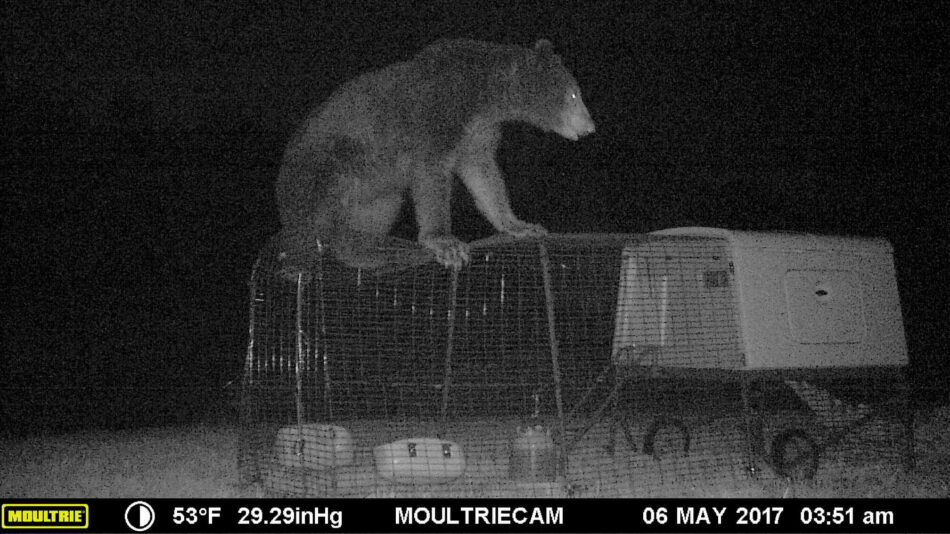
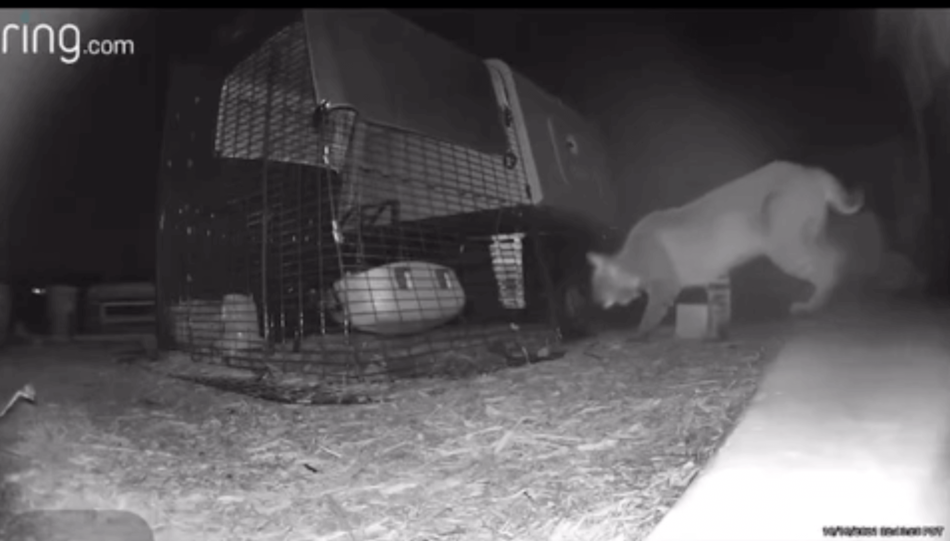
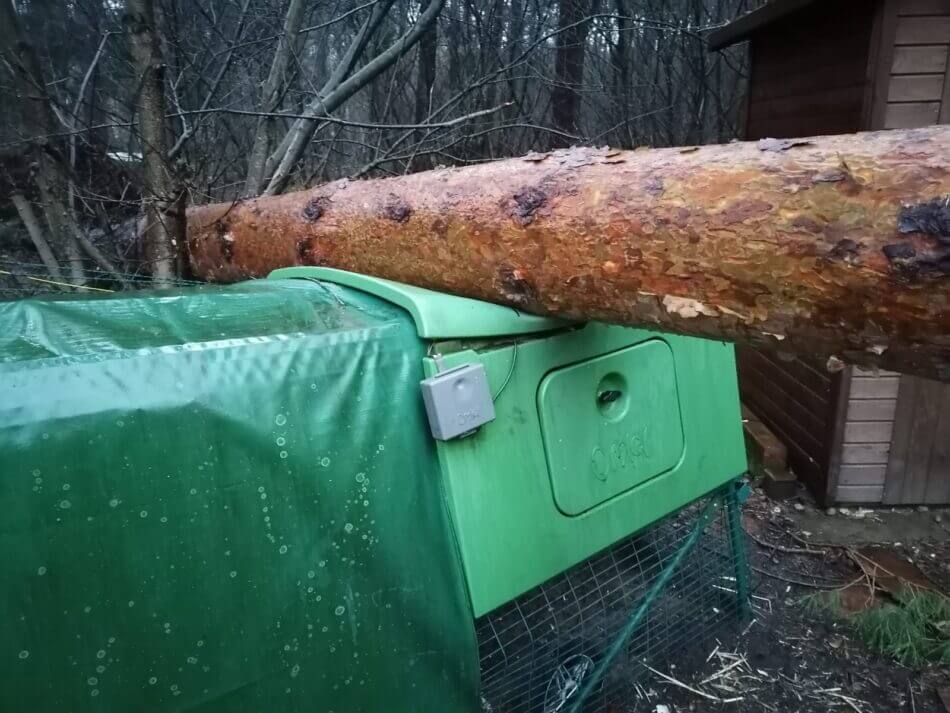
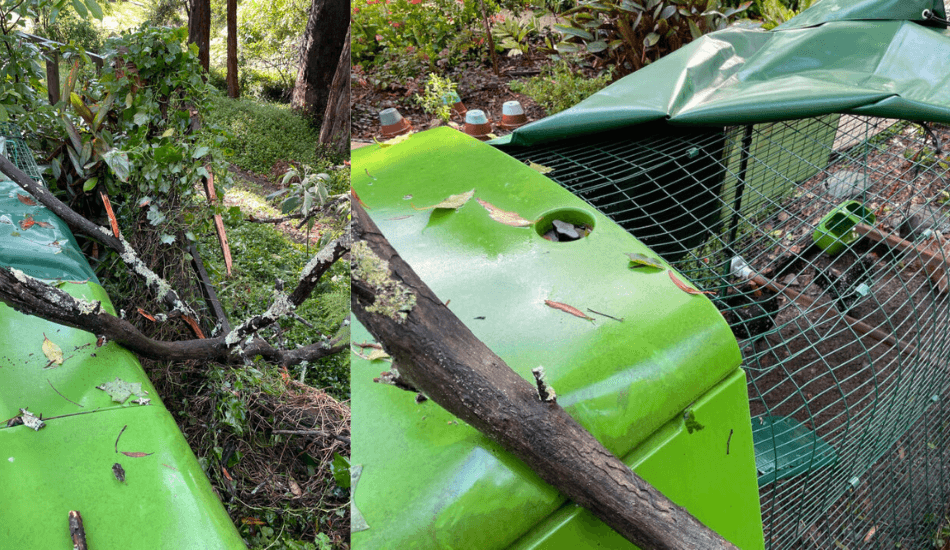
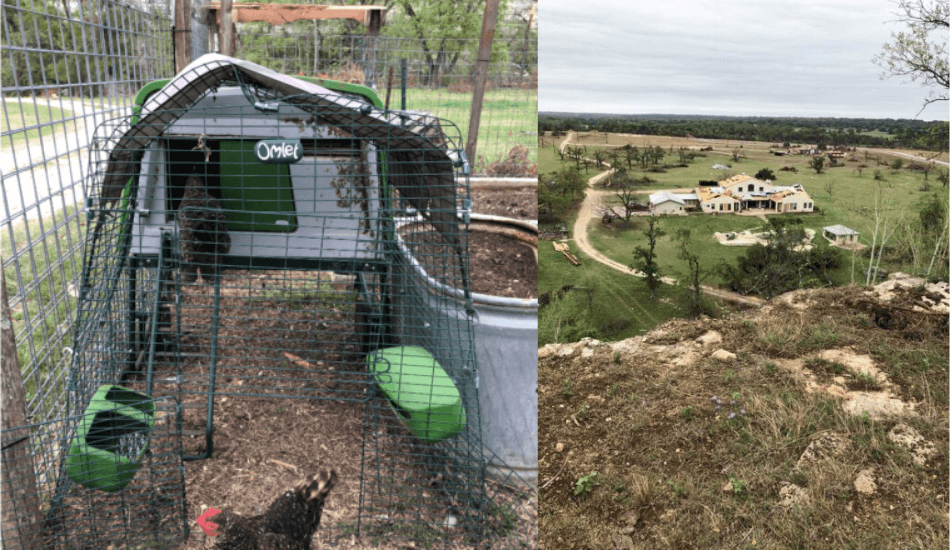
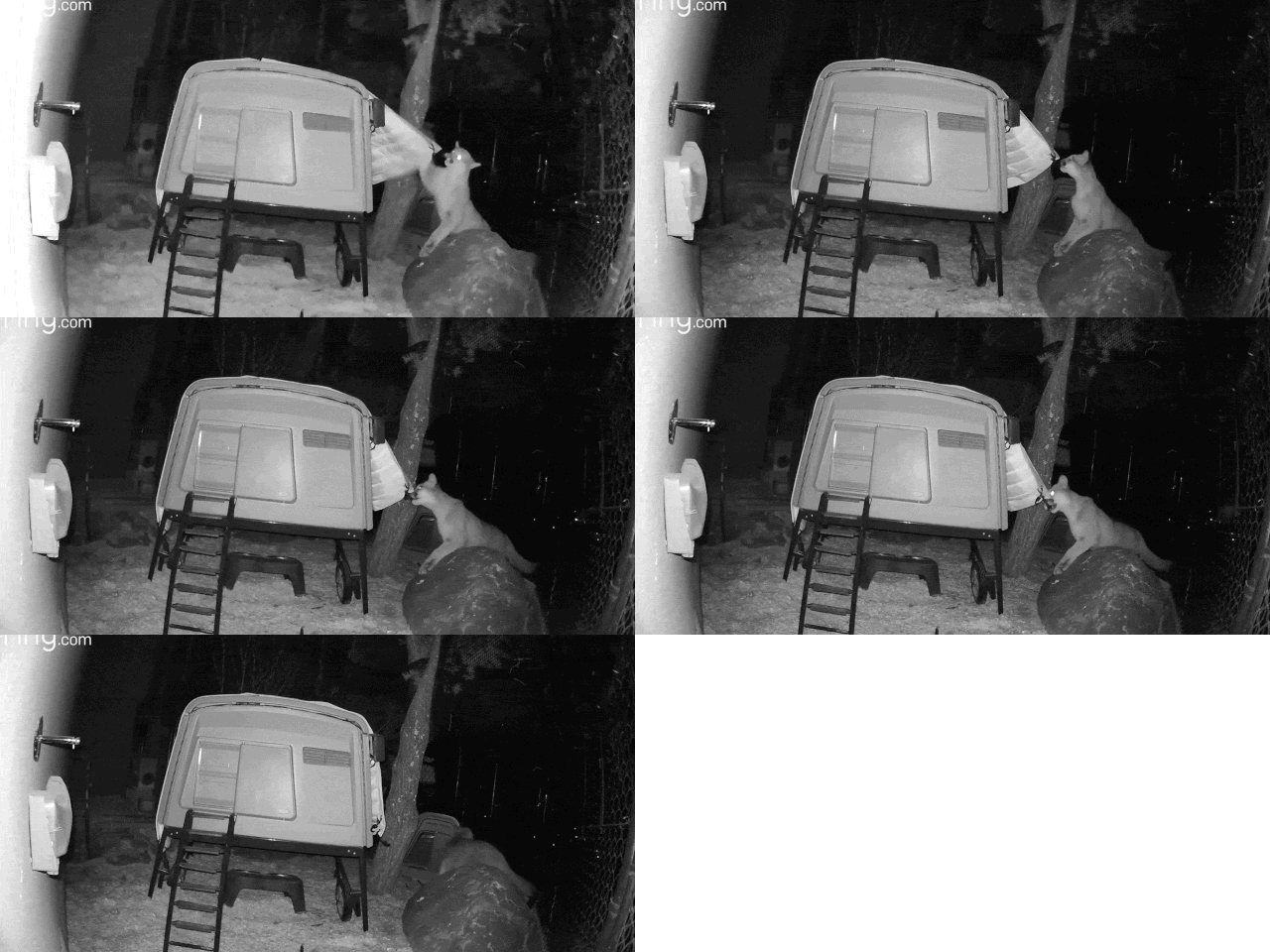
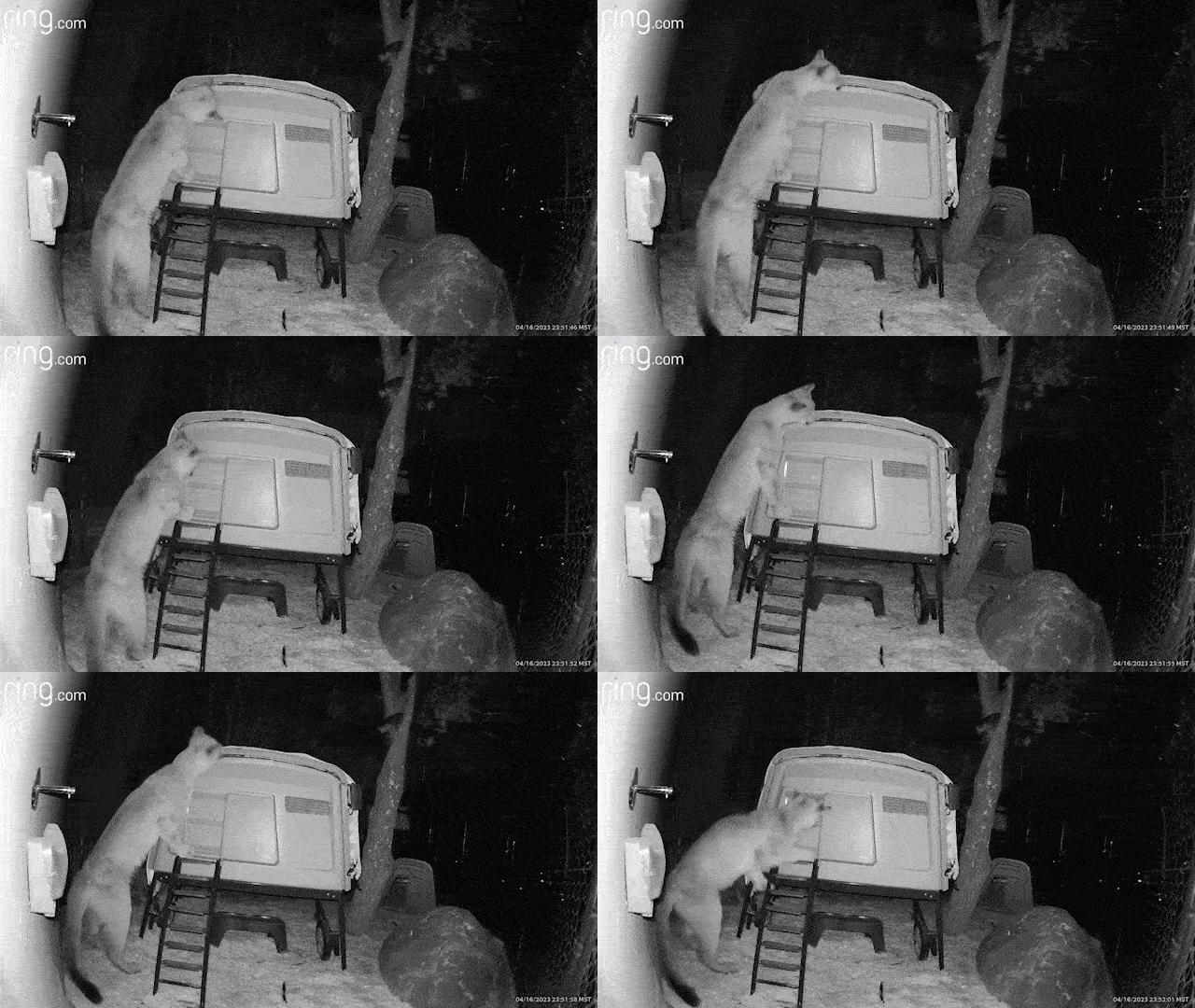
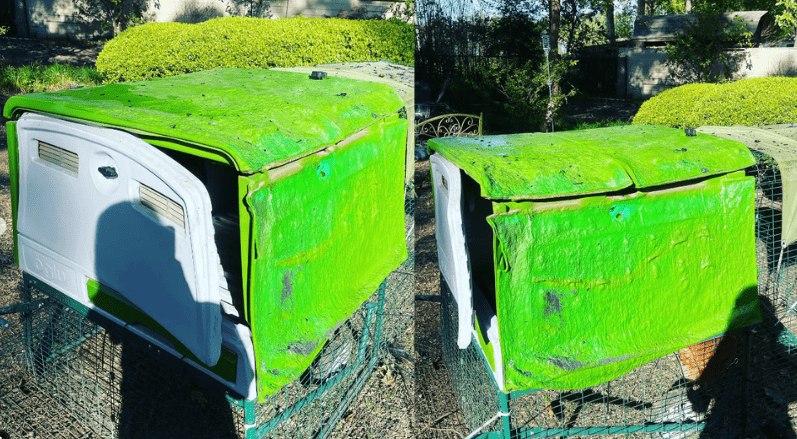
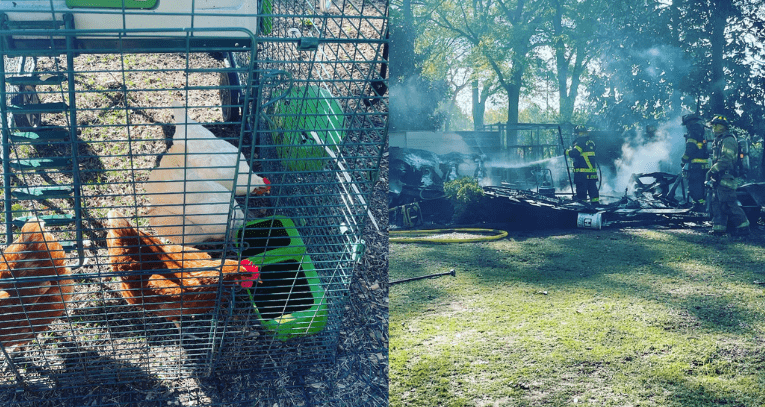
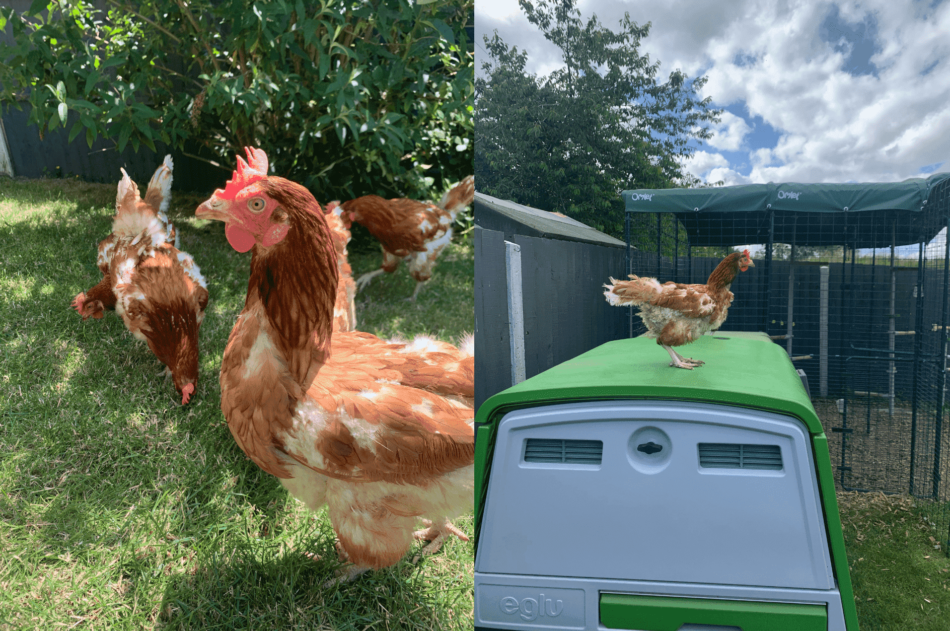
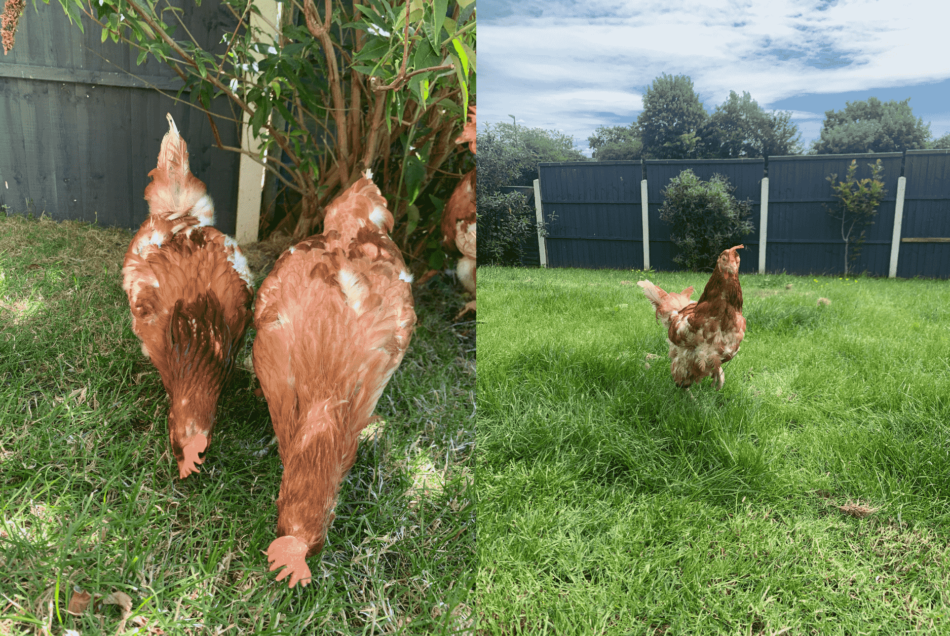
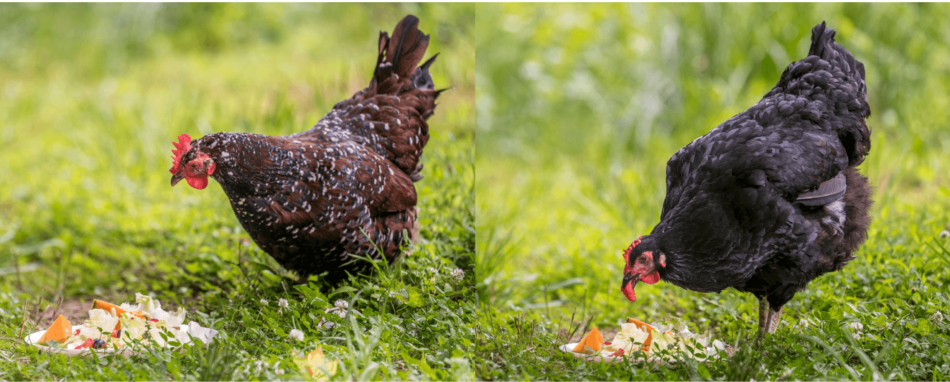
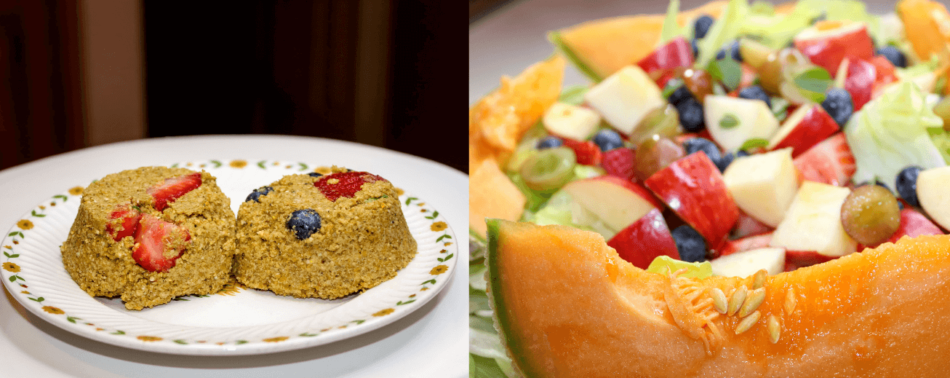
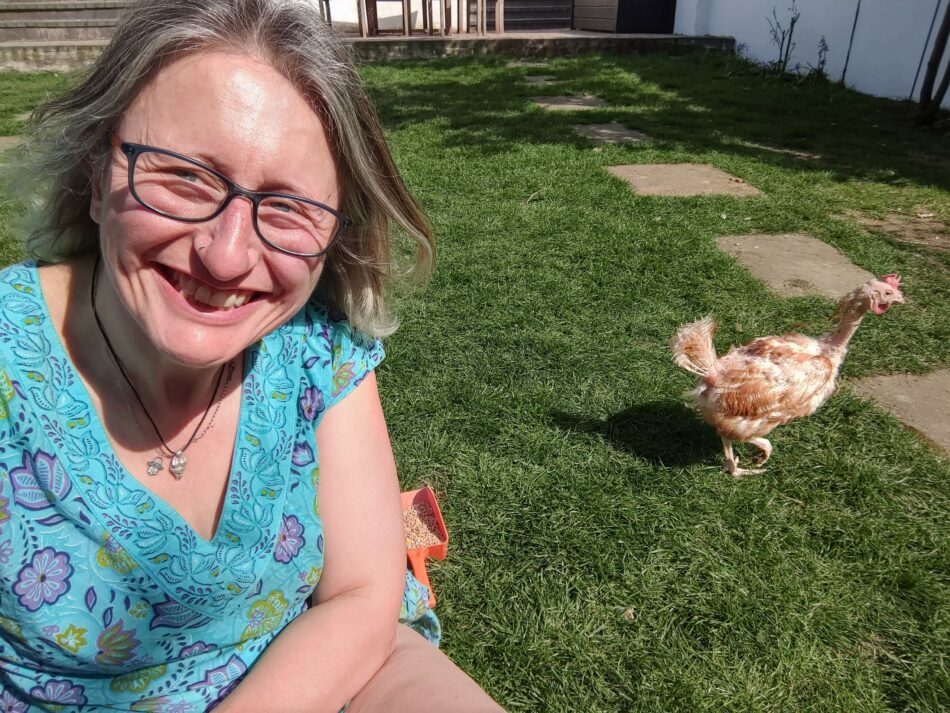
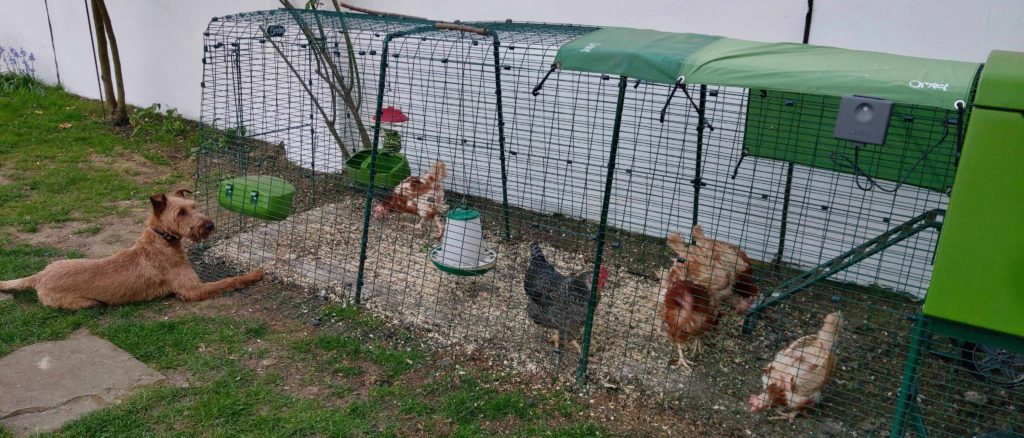
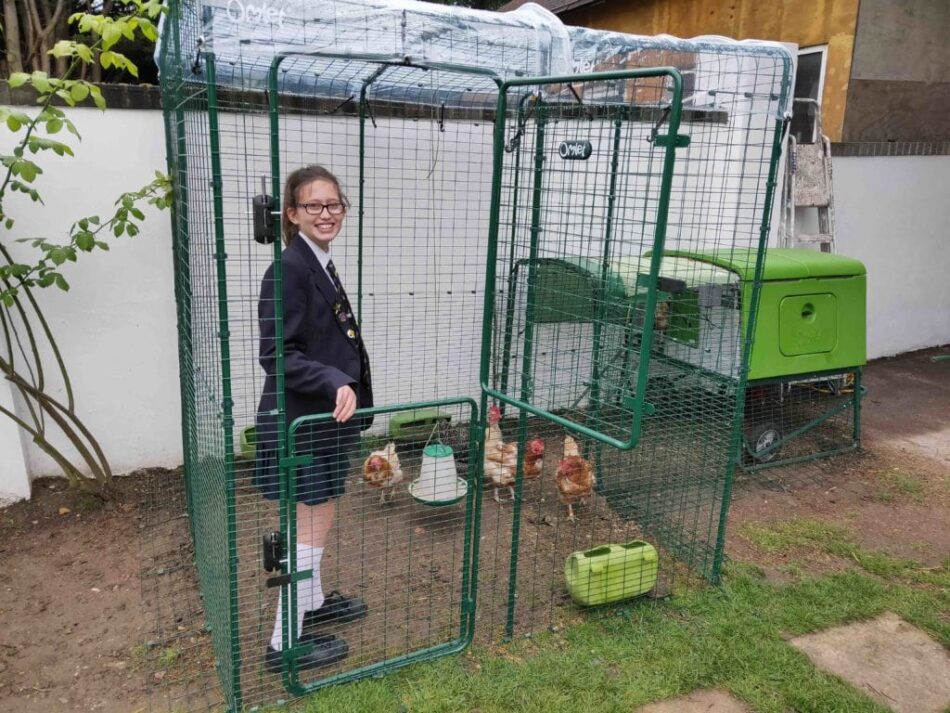
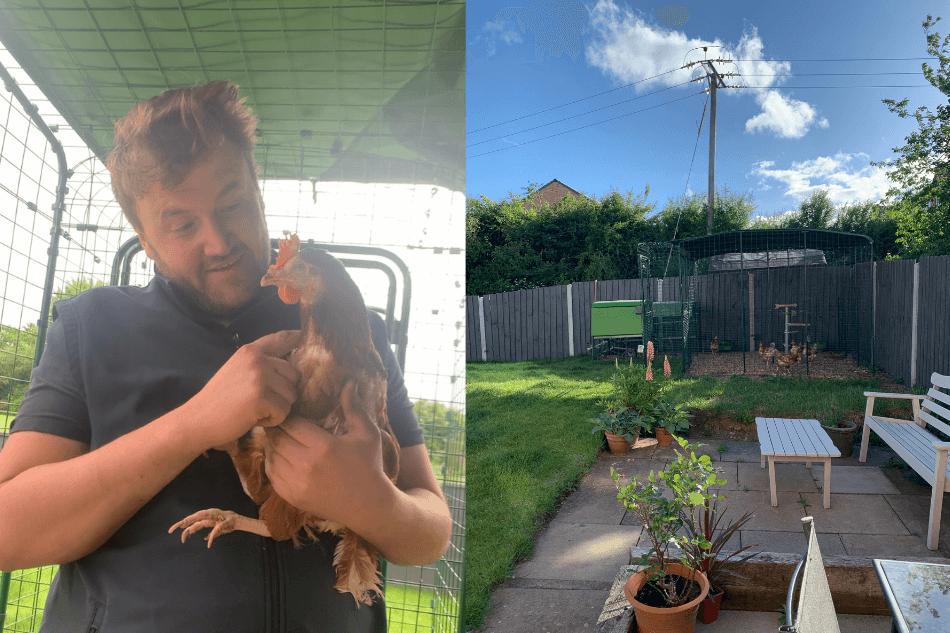
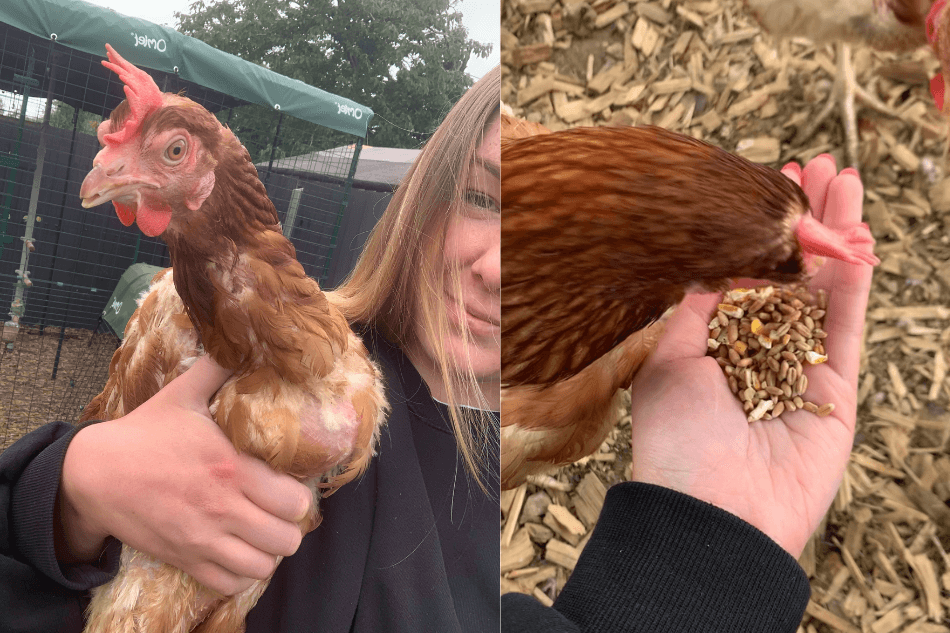
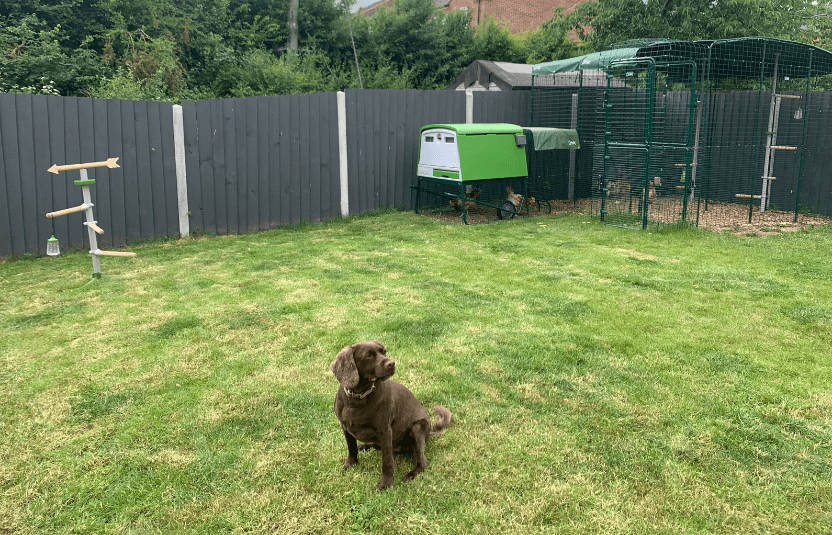
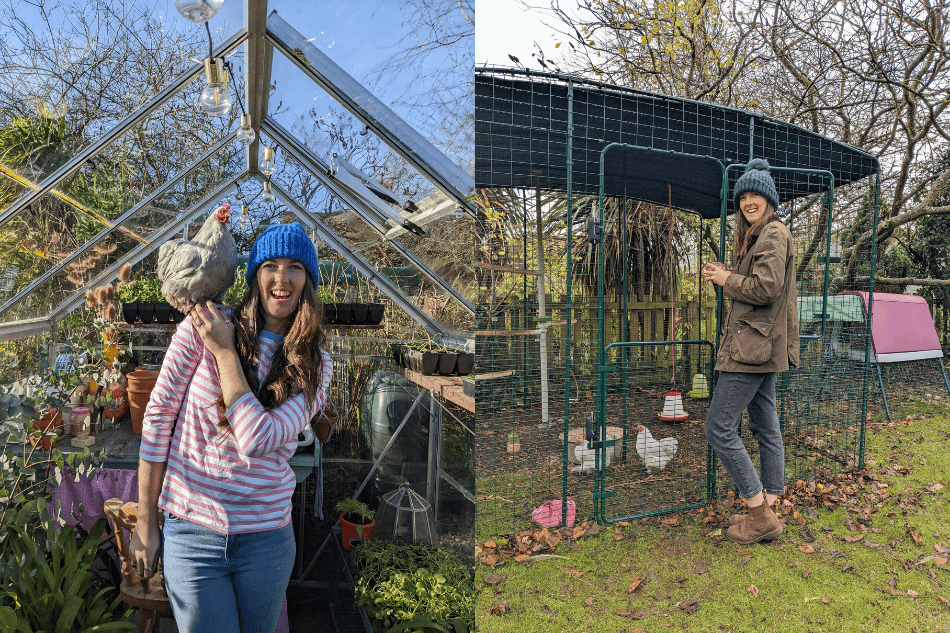
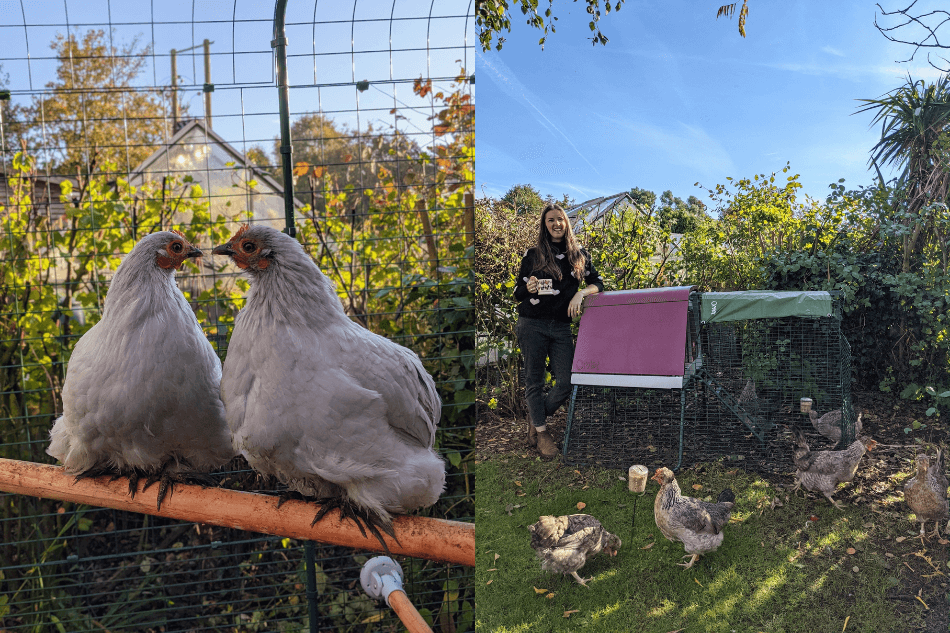
 Social Media Executive Rosie has been at Omlet for a year, and when she was asked by her managers if she was interested in broadening her chicken knowledge (and to create fun content for Omlet’s social media platforms) with her very own flock, she said yes straight away.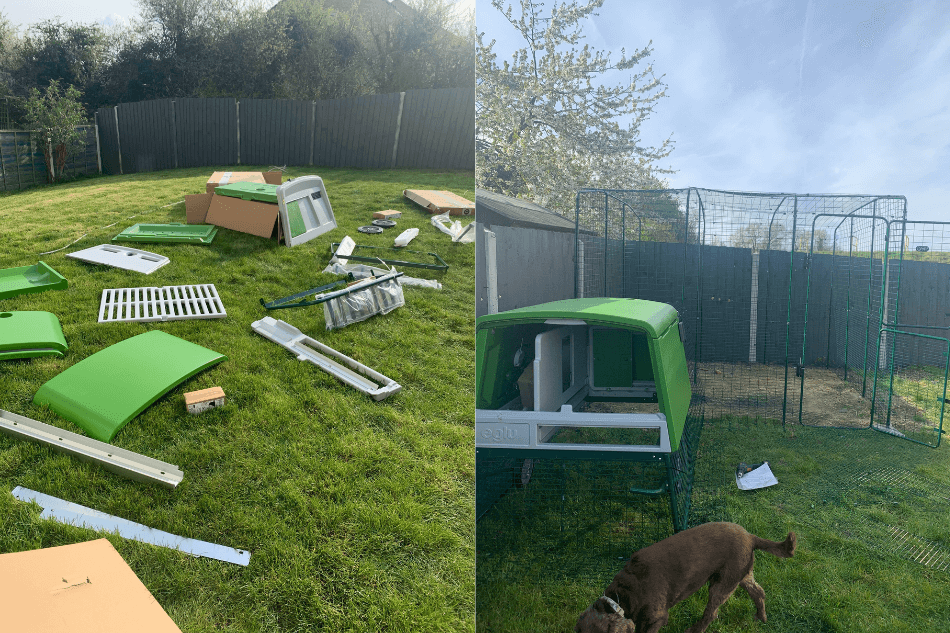
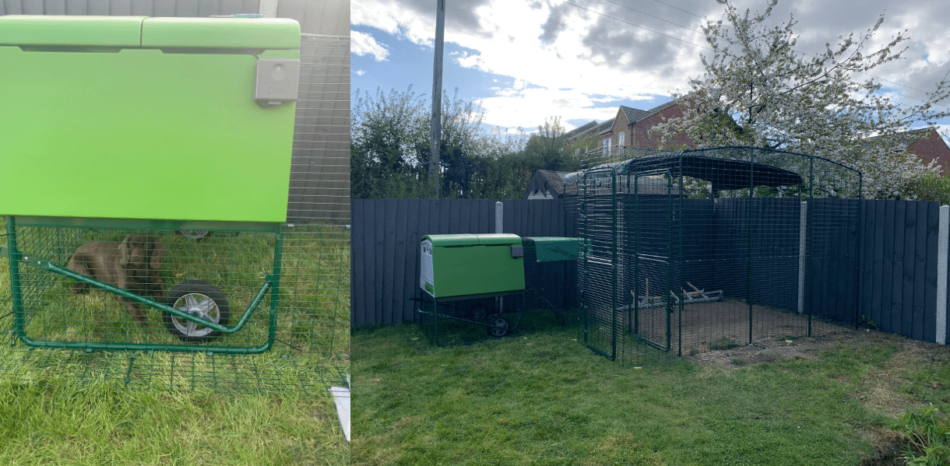
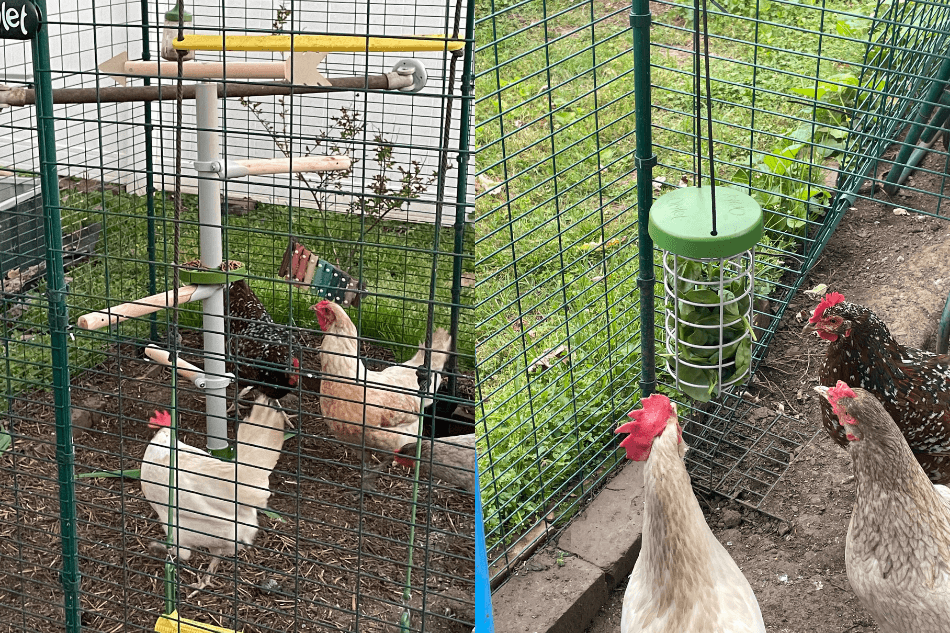
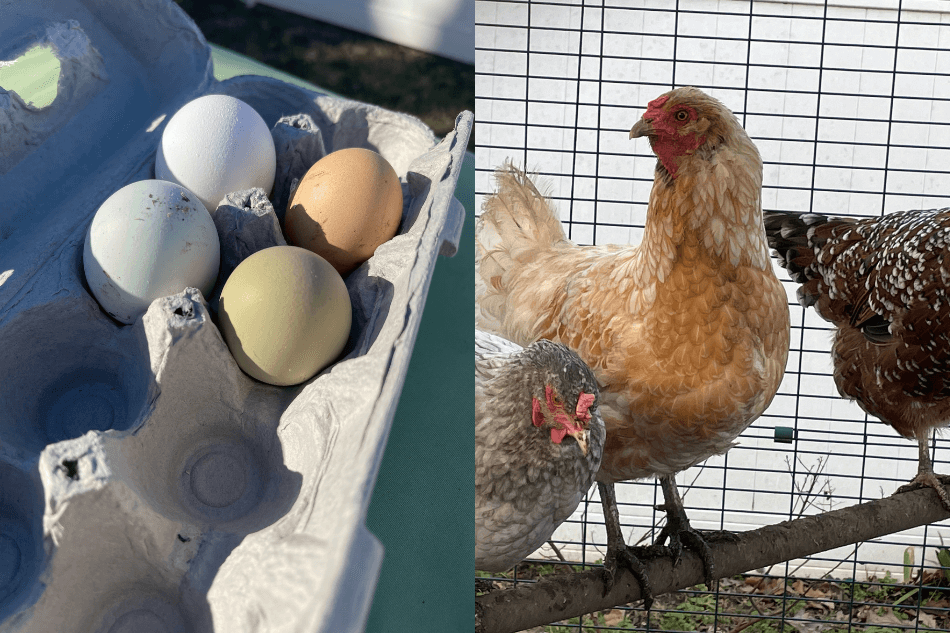
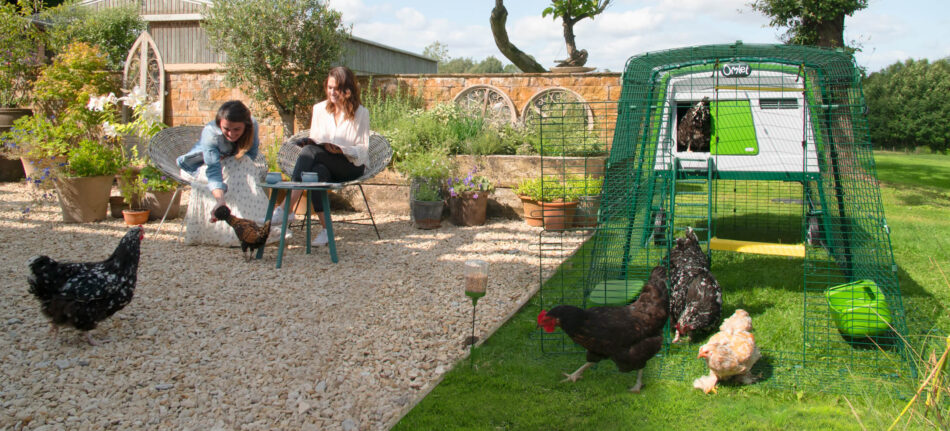
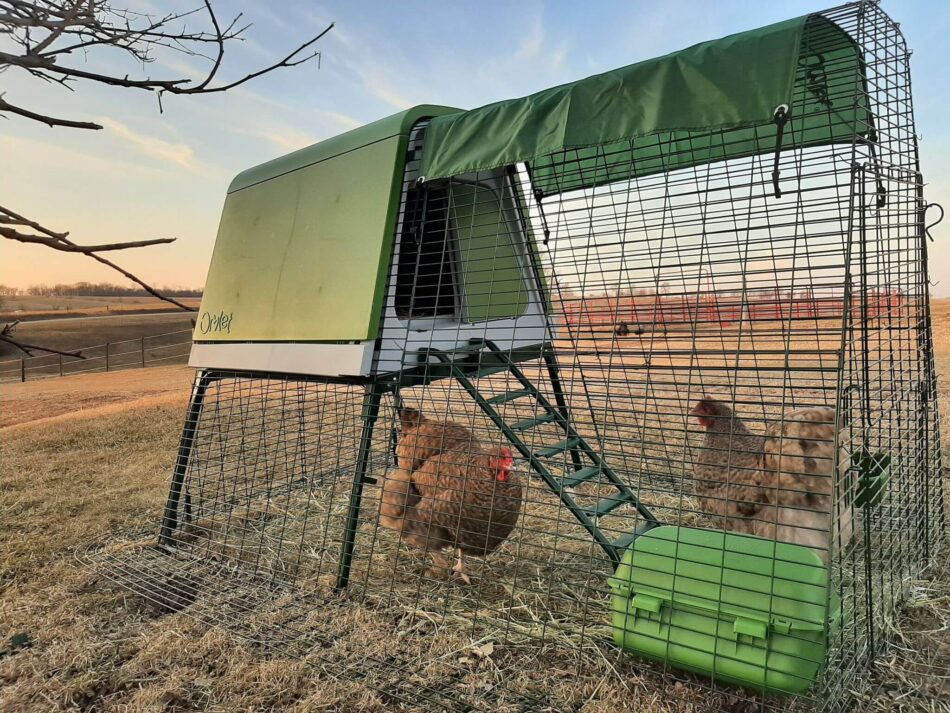
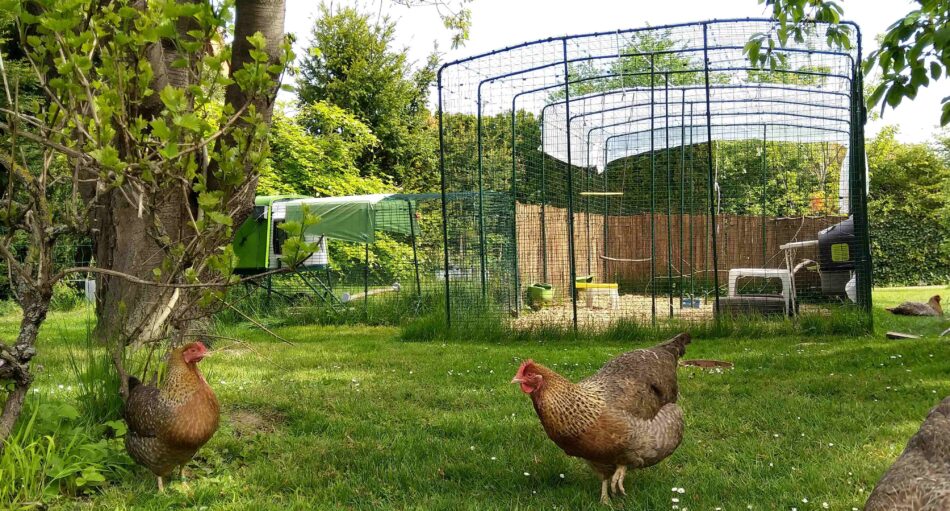
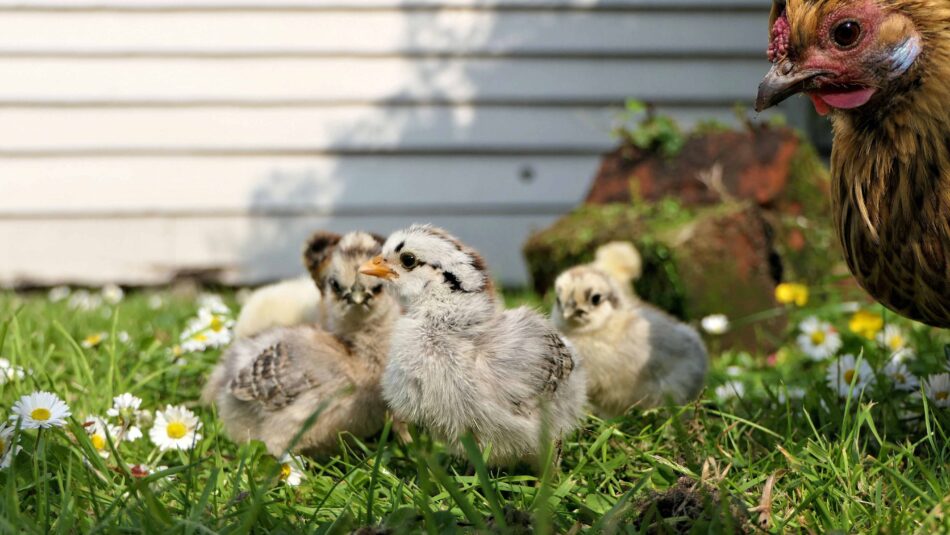
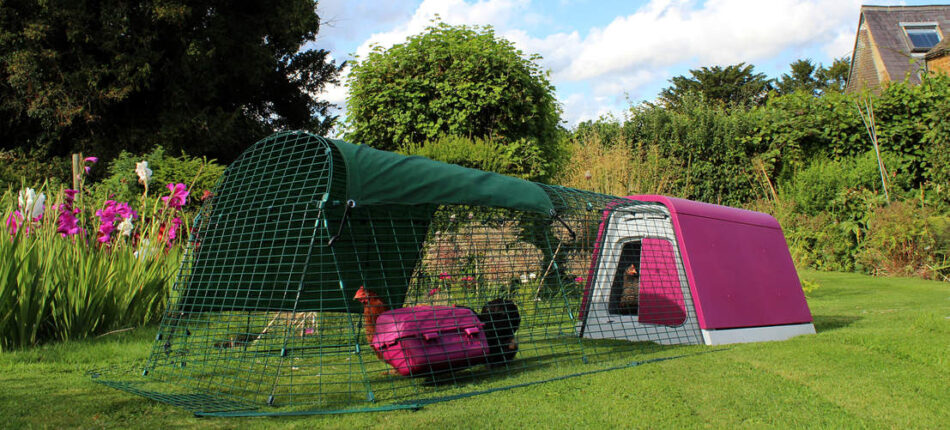

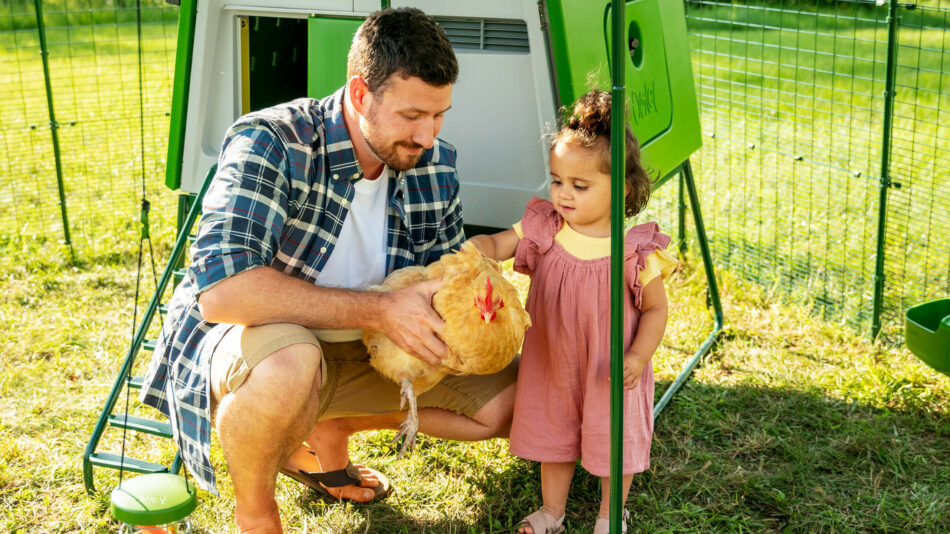

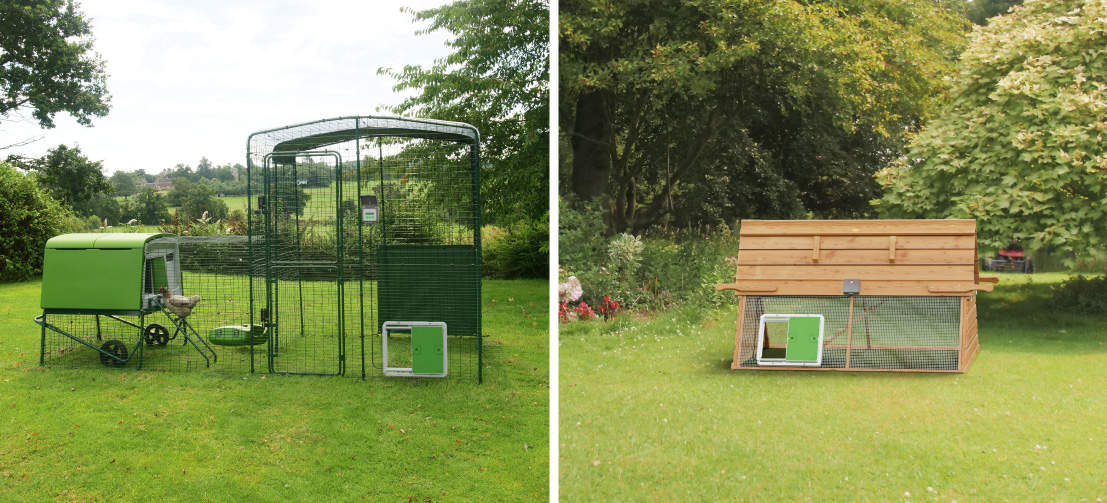
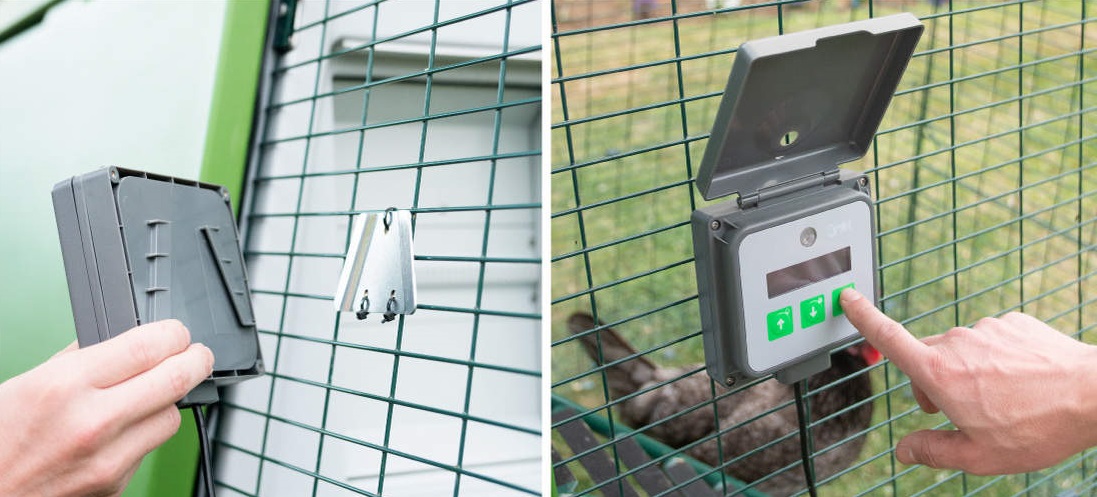
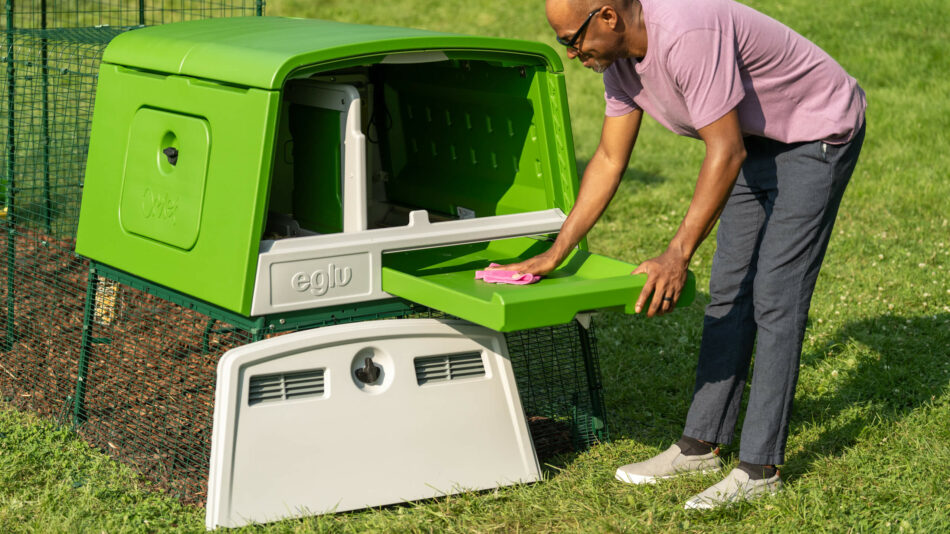
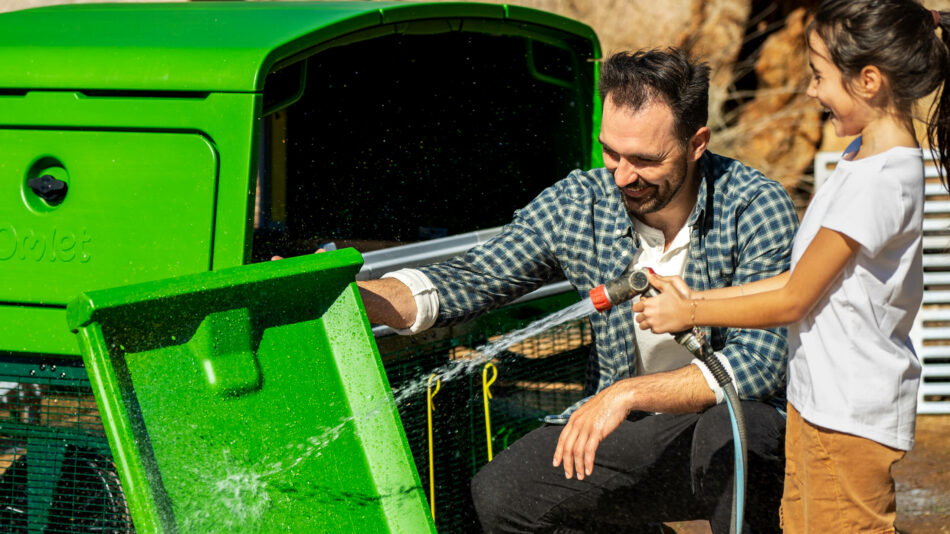
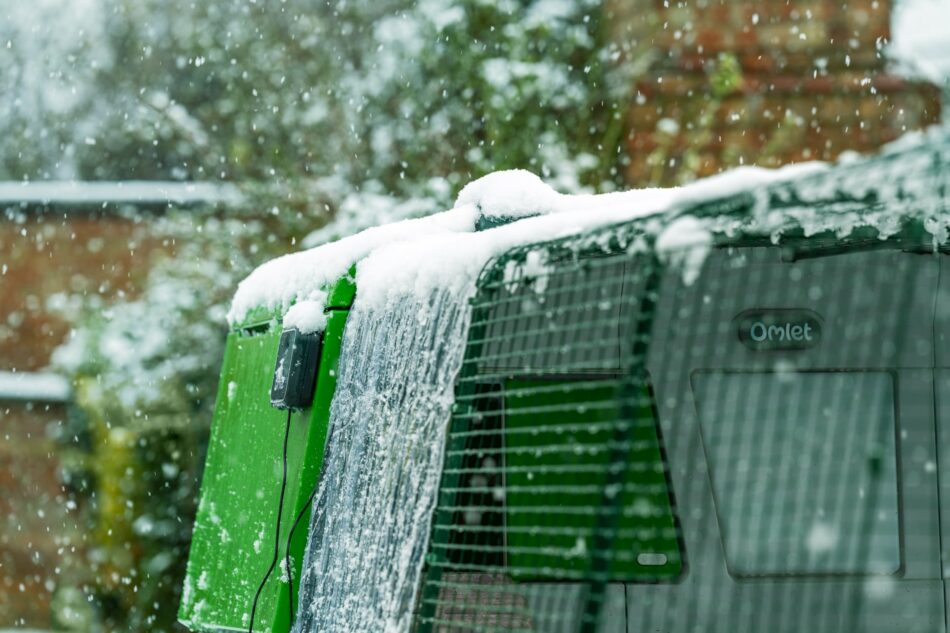
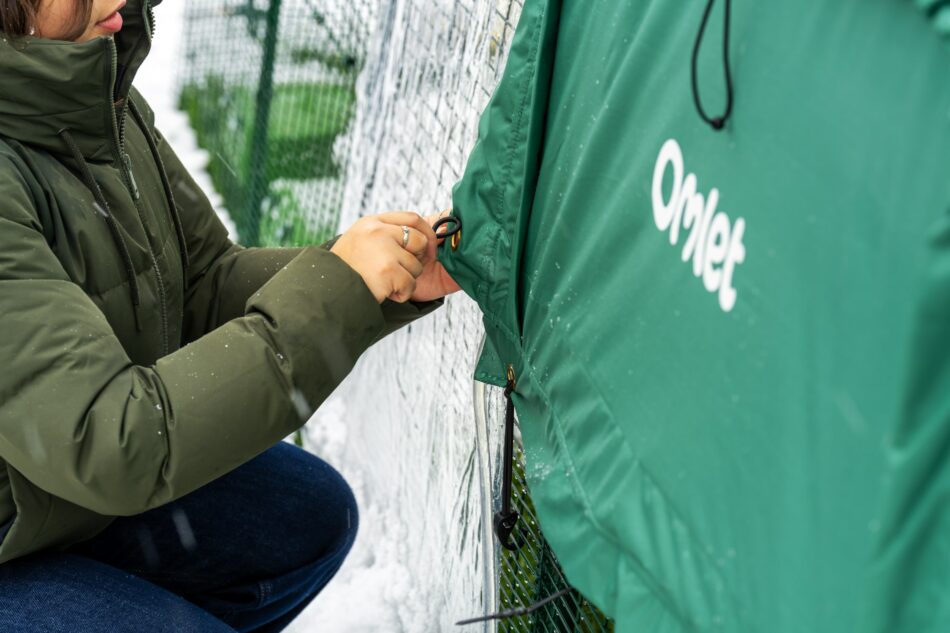
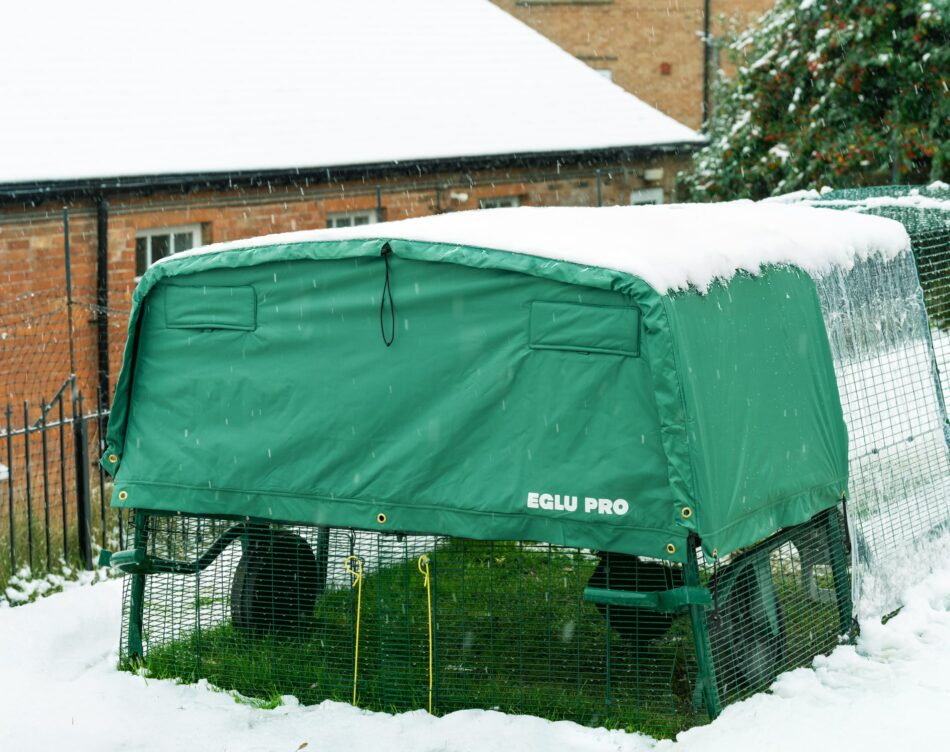

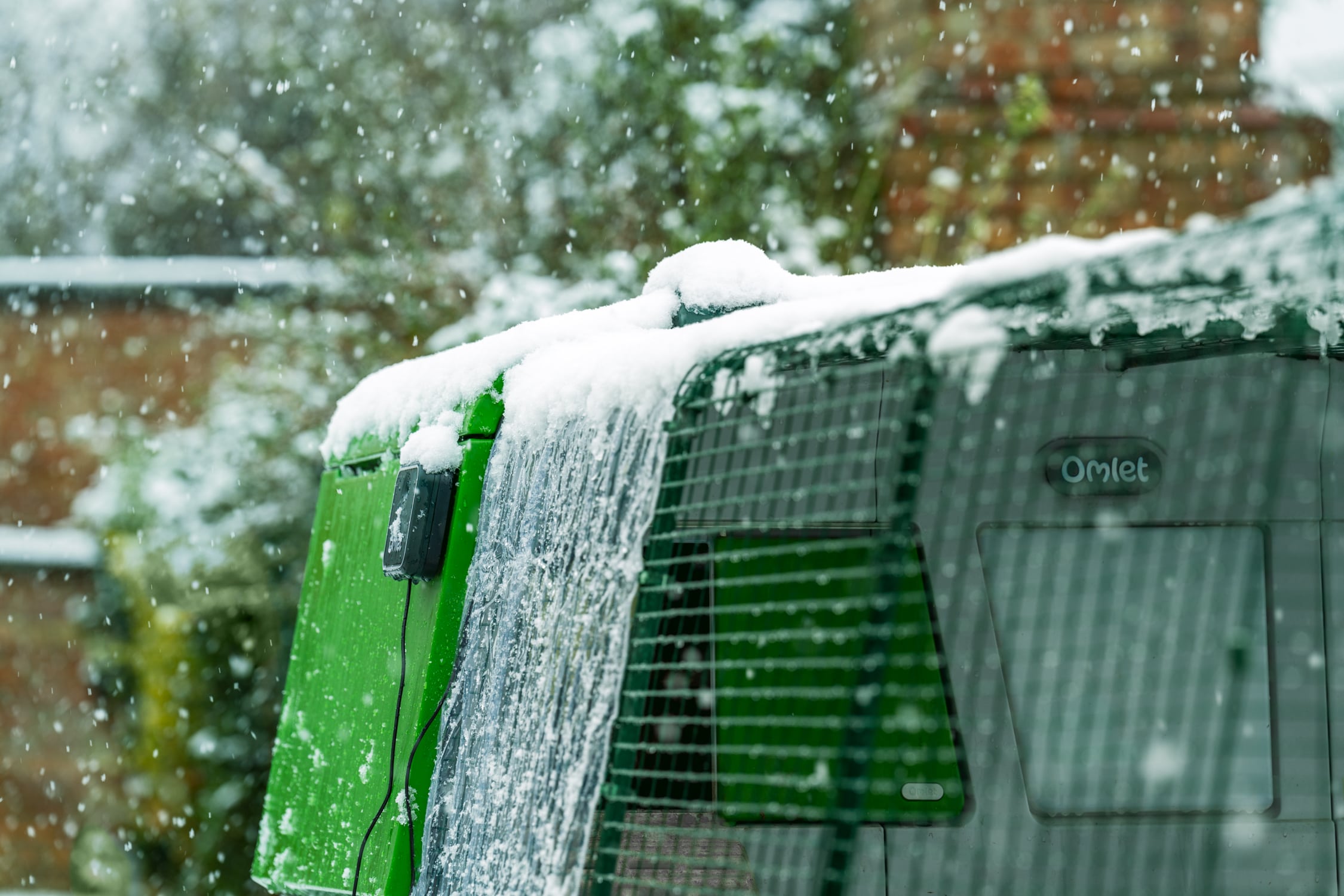

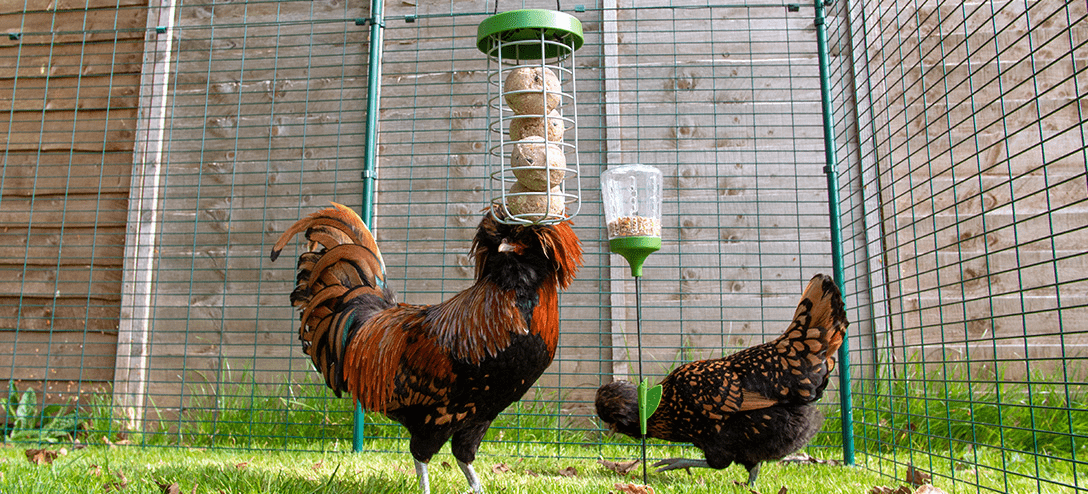
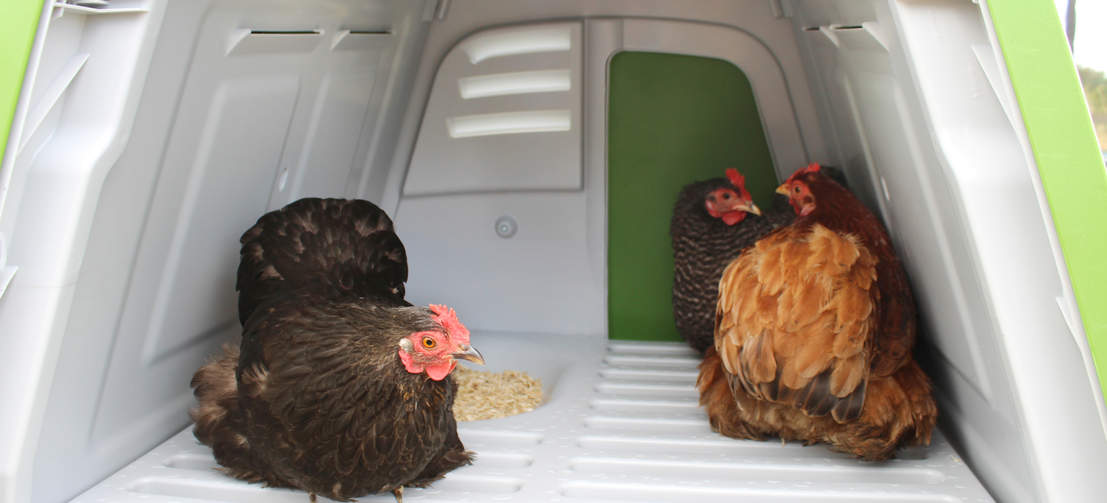
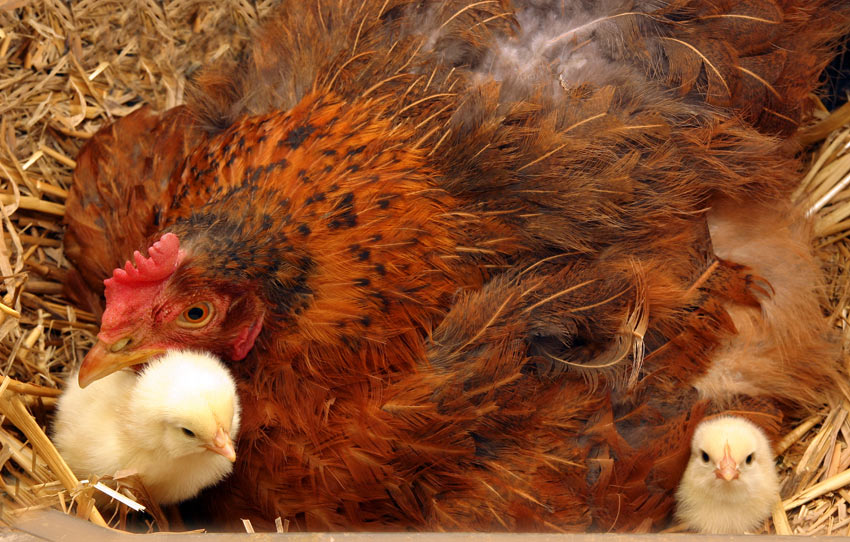
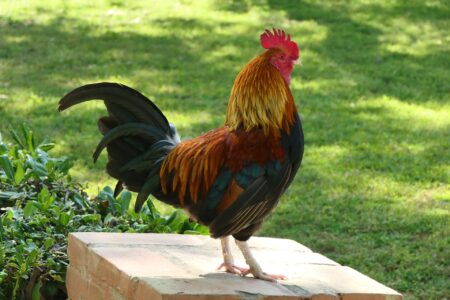 As bizarre as this question may sound, there have been a number of documented cases of chicken keepers claiming that their chickens have changed sex! From the offset, the answer to this question is no – hens most definitely cannot genetically turn into cockerels, nor can cockerels turn into hens.