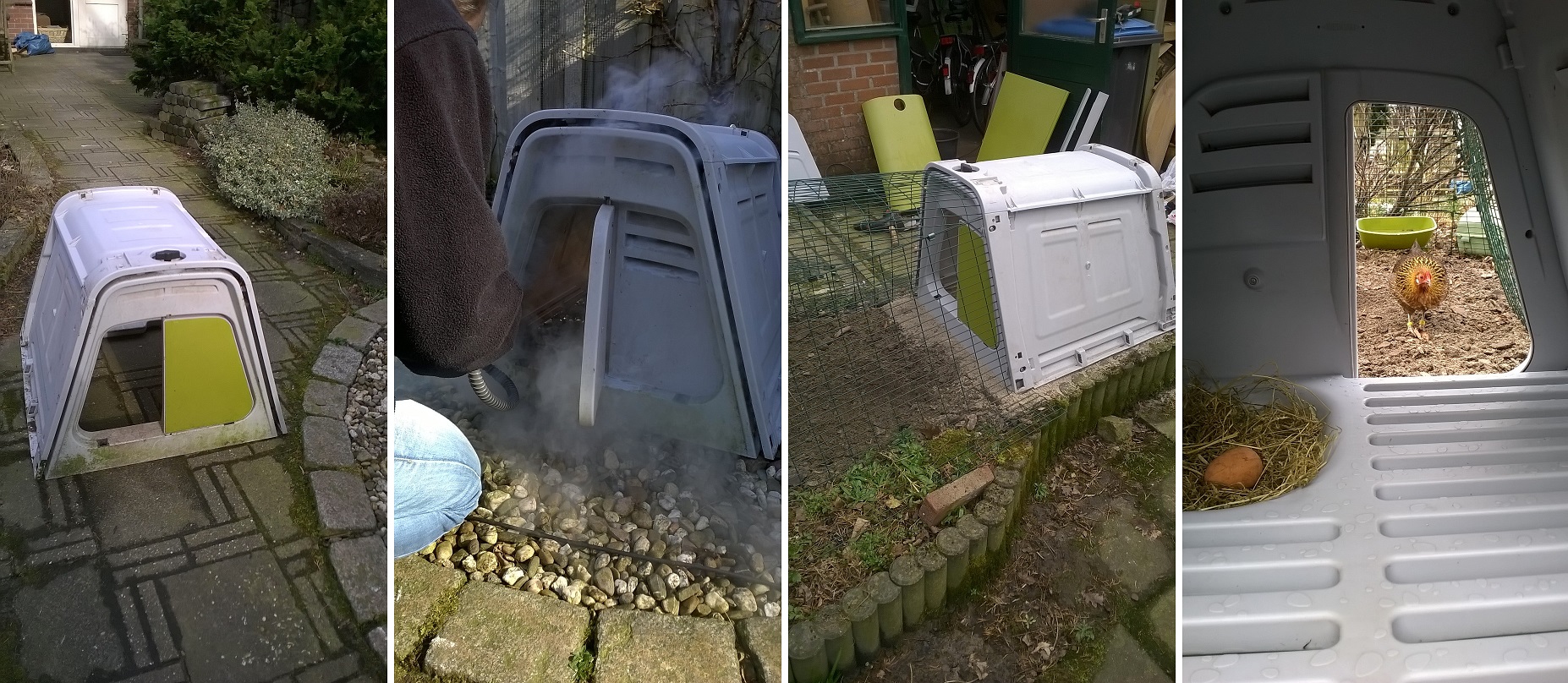
Winter brings unique challenges for chicken keeping, and avoiding common pitfalls can help keep your flock healthy and thriving. In this guide, you’ll discover 10 things to avoid as a winter chicken keeper, empowering you to navigate the season with confidence and care in your backyard. From managing coop conditions to understanding your hens’ needs, these insights will ensure you’re well-prepared for the chilly months ahead.
What to avoid this winter
Knowing what to avoid is just as important as knowing the right things to do when caring for your chickens. Preparing your flock for winter is essential, but there are some common mistakes that you might overlook or misunderstand about winter chicken-keeping. Here’s what not to do this season:
Don’t coop your chickens up
Your chickens are built to be outdoors, and they’re naturally resilient against cold temperatures. In fact, a hen’s internal temperature is around 105°F, making it easier for them to handle the cold than the heat. Beneath that shiny plumage, dense downy feathers, courtesy of your flock’s annual molt in the fall, provide excellent insulation.
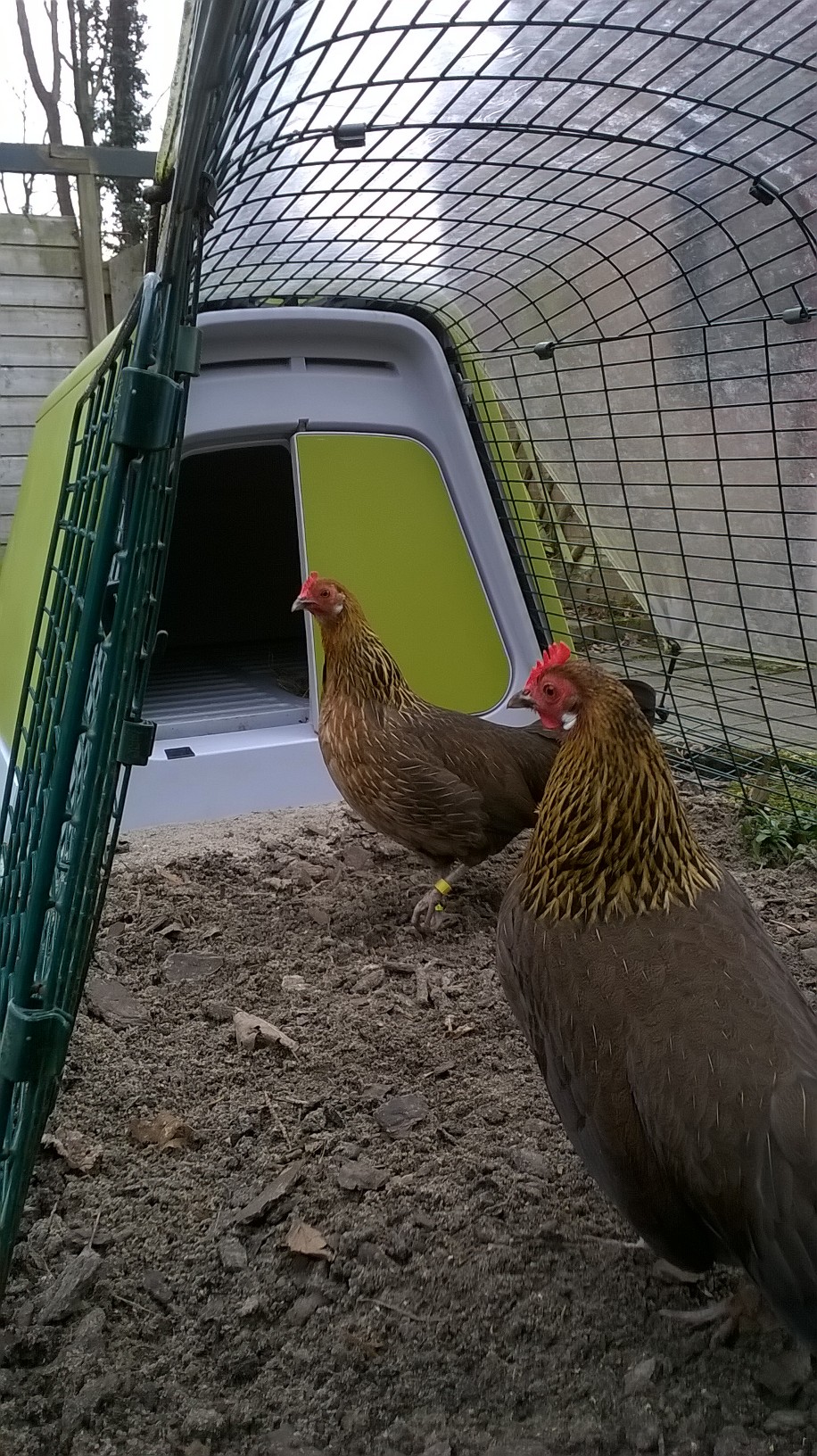
It might be tempting to keep your chickens fully enclosed in their coop, but they can easily become bored and stressed. Instead of locking them up all day, open their coop door once the sun has been up for a few hours to warm up their environment. Or, program your Smart Autodoor to open at a set time. Invest in chicken run covers to prevent snow and ice buildup, and provide plenty of chicken perches to help keep their feet off the frozen ground. With these measures, your flock will thrive even outside of their coop.
Don’t make their coop airtight
One common mistake is trying to seal your chicken coop completely. Your flock needs fresh air circulating to prevent moisture buildup and respiratory issues.Insulated chicken coops are designed to keep harsh elements out while still allowing enough airflow.
While drafts can be a concern in the winter, a well-ventilated coop won’t let in dangerous cold drafts. Even with extreme temperature chicken coop jackets, Omlet’s Eglu Chicken Coops provide just the right amount of fresh air without letting in harmful drafts.
Don’t offer supplemental heat
Your chickens are hardy creatures, and they adapt naturally to falling temperatures. If you heat their coop, they miss out on the process of acclimating to the cold and might be shocked, quite literally, when they step out into freezing weather. This sudden shock can even be fatal to your flock.
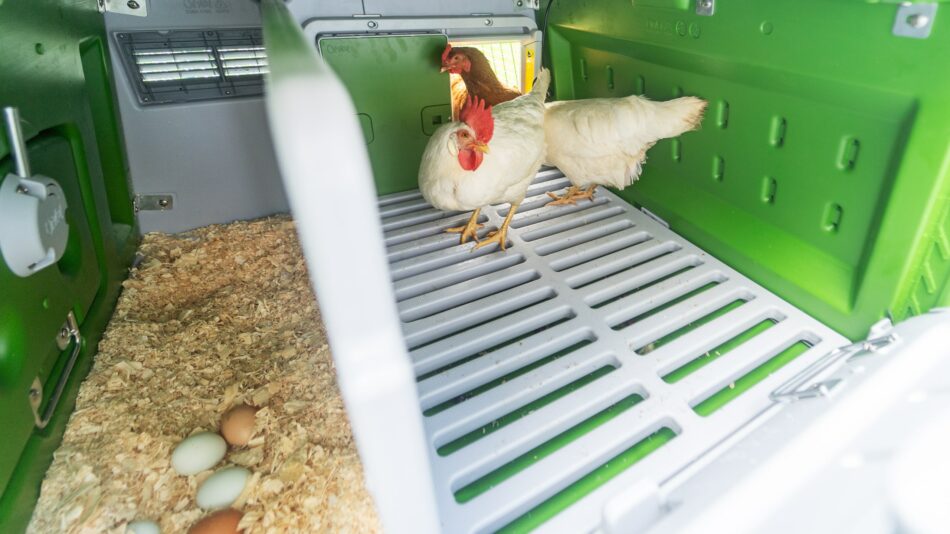
Heat sources also present a fire hazard for your chickens, so they should only be used with close supervision. While brooder plates, heat lamps, or heating pads can be helpful for sick birds or young chicks, they should only be used in dire situations for healthy hens. Instead, add extra insulating bedding like straw or hay to nesting boxes and roosting areas to provide warm comfort without the risk of electric heat sources.
Don’t leave eggs in the coop
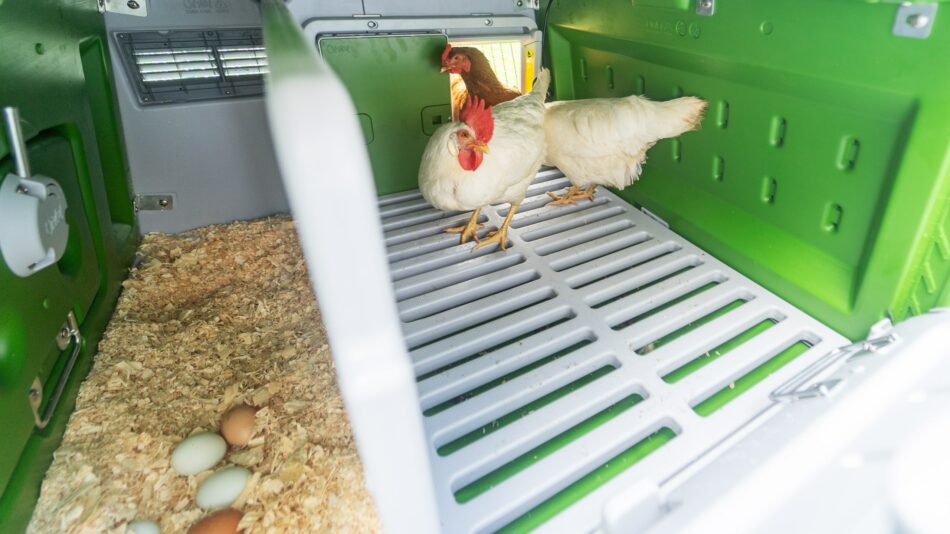
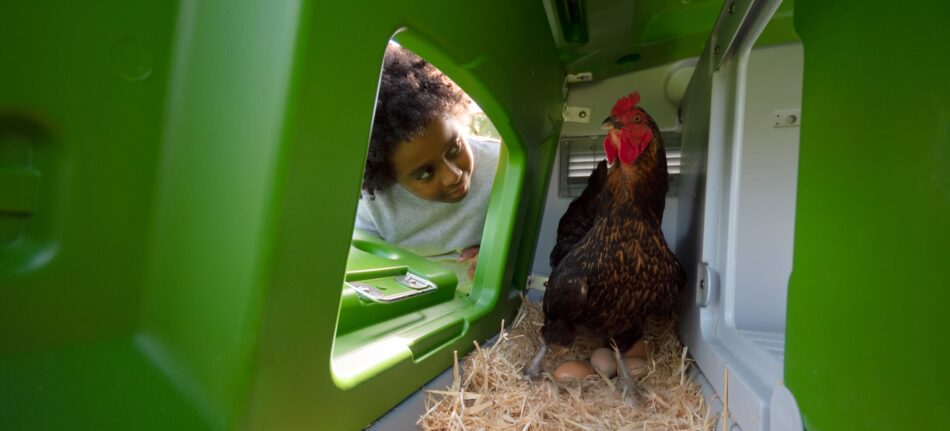
It’s easy to remember egg collection in the warm days of summer, but when temperatures dip below freezing, you need to gather eggs quickly.Eggs shouldn’t be left in the coop for more than a couple of hours if it’s freezing outside. A frozen egg might not be spoiled initially, but as the contents expand, they can crack the shell. Once that shell is compromised, bacteria can sneak in, rendering the egg inedible.
Make it a habit to check for and collect eggs each time you visit the coop. This proactive approach works well in any season, but especially when facing the challenges of extreme temperatures.
Don’t forget their water
When winter arrives, keeping your chickens’ water from freezing becomes a daily challenge. Standard chicken waterers can quickly turn into ice blocks, so it’s important to check and break up any ice several times a day to ensure your flock always has access to fresh water. Pouring warm water over frozen waterers can help thaw them, and using electric bird bath or submersible heaters designed for poultry waterers is another effective option, just make sure to keep cords and components safely out of reach of curious beaks.
You can also try placing a floating object, such as a tennis ball, in the waterer. The gentle movement helps prevent solid ice from forming, though its effectiveness can depend on factors like wind and the size of the object.
For an even easier solution, consider using an insulated waterer like the Omlet Insulated Stay Clean Chicken Waterer. Its double-walled design helps keep water from freezing, reducing the need for constant checks and refills. This can be a real time-saver during those extra chilly days.
Don’t put off cleaning the coop
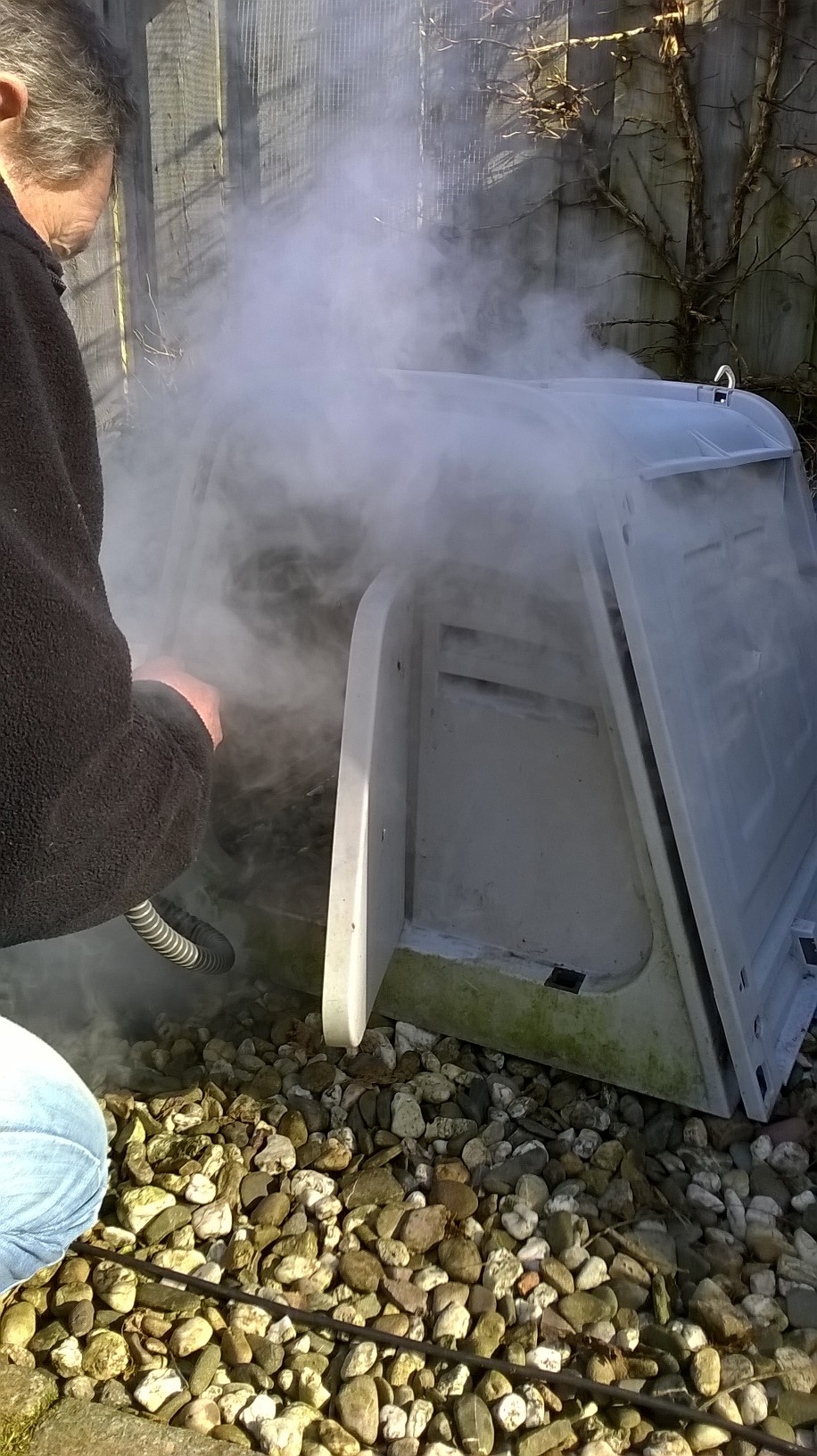
Before the cold weather truly sets in, give your chicken coop a deep clean. This allows you to use a pressure washer one last time before ice becomes a problem. Refresh the bedding with thick, warm materials like shavings or straw, and double-check that run covers are secure and adjusted.
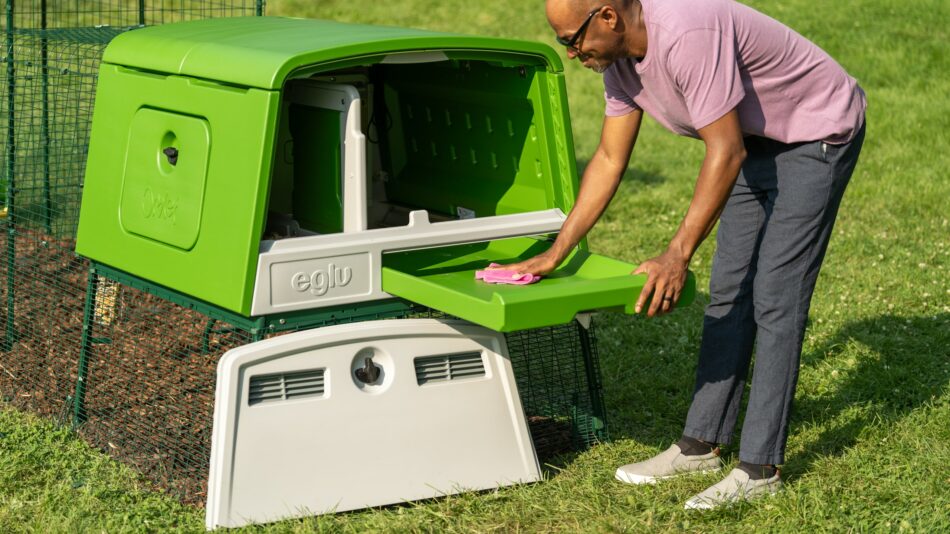
When it’s too cold to use water, you can maintain cleanliness with a rag or a stiff brush. Be sure to empty droppings trays regularly and brush off any debris from roosting and nesting areas. Keeping the coop clean, ensuring proper ventilation, and monitoring humidity levels promotes good respiratory health for your chickens all winter long.
Don’t limit their fun
Your chickens might wander less far from their coop during the winter, especially as insects and vegetation become scarce, which can affect certain breeds more than others. Snow and ice can sometimes dampen their enthusiasm. To keep boredom at bay, make sure your flock has plenty of engaging activities to enjoy.
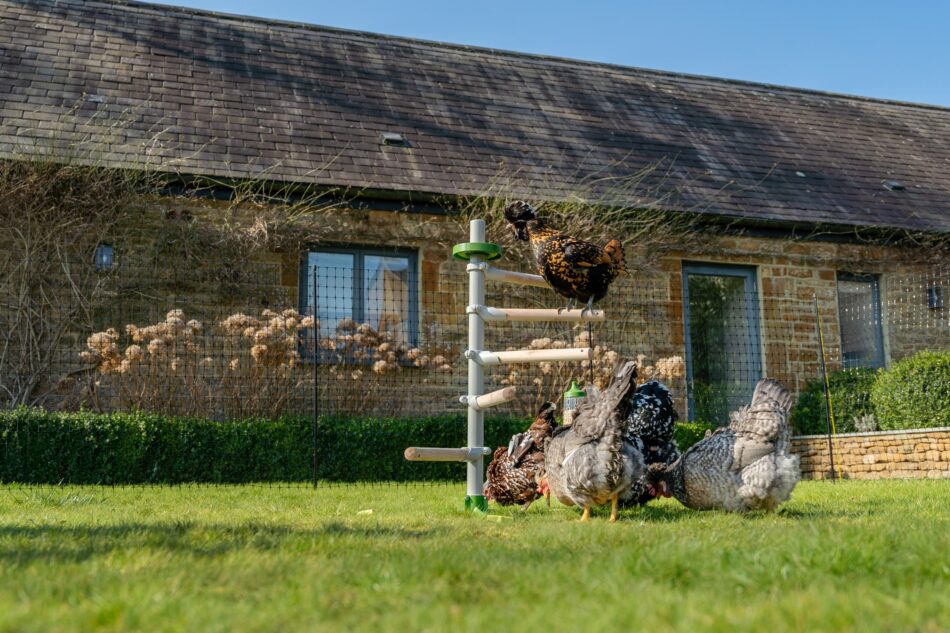
Incorporate chicken perches, peck toys, treat holders, or even a Chicken Swing in their run or free-ranging space. These fun additions can transform dreary winter days into delightful moments that cheer both your heart and your hens’.
Don’t go easy on the feed
During the winter months, different chicken breeds may require varying amounts of energy to maintain body heat, so they tend to get hungrier, requiring more chicken feed than usual. With their increased appetite, you’ll likely find yourself refilling their chicken feeders more frequently.
Treat your flock to extra nutrition during these colder times. Consider adding dried mealworms or soldier fly larvae to their scratch grains, offering alfalfa hay, or even preparing a warm chicken mash to satisfy their cravings and keep them energized.
For added convenience and peace of mind, the Omlet Smart No Waste Chicken Feeder can be a game-changer during winter. This innovative feeder notifies you when your feed is low, helping you keep up with your flock’s increased appetite without you having to constantly check the feeder itself. Its weather-resistant design also ensures feed stays dry and fresh, even in snowy or damp conditions, so your chickens always have access to the nutrition they need.
Don’t forget combs and wattles
Frostbite can affect any chicken breed, but hens with larger combs and wattles are especially vulnerable. Keep an eye out for signs of frostbite such as:
A pale or white appearance
Black spots or sections
Misshapen edges
A little petroleum jelly applied to these areas can help prevent frostbite in chickens. While frostbite isn’t typically deadly, it is uncomfortable, and once areas are discolored, they might fall off, leaving your hens with misshapen combs or wattles.
Don’t forget chicken self-care
Sunbathing and chicken dust baths are all part of your hens’ daily pleasures during warmer months. They’ll continue to appreciate these activities in winter as well. Dust baths help keep their feathers in good condition, ensuring they stay warm, comfortable, and free from excess water.
Having clear run covers that allow the gentle warmth of the sun to filter through can create cozy spots for your flock, making those winter days feel a little bit brighter.
Omlet and your flock
Prepare your flock for winter with our thoughtfully designed products, created with you and your hens in mind. Our chicken coops, run covers, and smart automatic chicken coop doors make winter chicken-keeping a breeze rather than a freezing ordeal. This winter, work smarter, not harder, by choosing Omlet’s chicken products to support you and your flock throughout the season.
Wondering how to make a dust bath for your chickens? Most hens are perfectly content to dig up their own patch of earth to roll around and fluff their feathers in – but by making your own dust bath from chicken-safe ingredients, you’ll elevate your hens’ bathing from a metaphorical bucket of cold water, to a luxurious bubble (well, dust) bath.
Why do chickens need dust baths?
Dust baths are an important part of overall chicken health. Like humans, chickens bathe to get impurities off of themselves and to feel better in general. It may seem counterintuitive to roll in the dirt to get clean, but the right dust bathing spot can absorb moisture and oils on the skin, and can rid birds of mites and lice. Hens aren’t the only birds that enjoy a good roll in the dirt – many wild avian species can be observed taking dust baths.
Chickens will find a soft, dusty or sandy spot and scratch around in order to create a shallow well to plop down into. Once they’ve laid down, hens will wiggle back and forth while flapping their wings in a shoulder-shrugging motion. They will lay on each side and repeat the process until they are sufficiently coated in dust or sand. When they’re done, they’ll hop up and shake vigorously – just like a dog after a bath. After a quick feather preening they’ll be done and dusted (literally).
Bathing this way benefits chickens mentally as well as physically. Just like we may take a warm bath to unwind at the end of the day, dust bathing helps hens relax and feel better. Hens may also hit the dust when they feel like socializing – much like humans in a sauna or hot tub. You may notice hens taking a dust bath with 2 or 3 of their closest flock friends.
Making a dust bathing area for your chickens
Giving your hens a designated dust bathing spot will deter them from creating their own – potentially in your favorite flower bed or another less-than-desirable location. You can use cat litter pans, the tray from a small animal cage or the bottom part of an enclosed dog kennel. But, if you have larger hens or a large flock, they may need more space than these shallow basins have to offer.
Use your imagination to create a dust bathing spot for your hens. Here are some ideas for inspiration:
An old tire
Flexible storage tote
Livestock feeding pans
Plastic toddler pools
You can also create a permanent dust bathing area by digging out a shape in the ground and edging it with pavers or stones.
Dust bathing areas or containers should have an edge at least 12 inches above the “dust fill line” to avoid hens tossing all of the contents out during their vigorous cleaning sessions. Make sure that the edge is high enough to contain the dust, but also low enough to accommodate your smallest flock members.
Place your flock’s bathing area in a sunny spot. Chickens will seek out sunny areas to bathe in – especially during the winter months. Be sure to keep their bath in an area where it can stay dry. Wet dust bath contents will dry eventually if they get rained on – but depending on the amount it could take several days. Chickens will bathe daily, so try to keep it as dry as possible. A large, elevated chicken coop can provide the perfect spot underneath with just enough sunlight and protection from the rain.
5 things to add to a chicken dust bath
You can make your flock a nutrient-packing dust bath from simple ingredients – many of which you may already have at home.
1. Wood ash
One of the most beneficial ingredients to a good chicken dust bath is something you can find in your own home or backyard. Wood ash from fireplaces or outdoor fire pits are great additions to your hens’ bath. Ash contains vitamin K, calcium, and magnesium, and helps absorb toxins from the skin of chickens. You may see your hens eat some ash, which can also benefit them.
It’s important to only use wood ash if you’re sure of its source. Do not use any ash from treated wood or lumber, as it contains toxic chemicals that can harm your hens.
2. Food-grade Diatomaceous Earth (DE)
This all-natural, silica-rich powder is a powerful anti-parasitic both on your hens and around their coop. DE destroys the exoskeletons of parasites like red mites, lice, fleas, and ticks. In fact, DE can also be added to your hens’ diet for additional parasite prevention. In addition to your flock’s bath, sprinkle some DE around the edge of your chickens’ run and coop to keep pests at bay.
3. Sand
Sand makes a great base for dust baths, but be sure to get the right kind. There are many types of sand available, but steer clear of children’s play sand, as it’s usually treated with chemicals. Aim for a coarse variety like contractor’s or multipurpose sand. Don’t use fine sand on its own – if ingested, fine sand can lead to crop impaction in hens.
The main purpose of sand is to ensure that the rest of your chicken dust bath ingredients don’t clump together, and to add weight to the mixture. If you’re using fine sand, make sure to mix it thoroughly with soil.
4. Top soil or peat moss
If you don’t want to dig up your own dirt, a bag of top soil or peat moss can be used instead. Widely available and inexpensive, bags of top soil and peat moss offer the benefits of natural soil without the hassle of digging it up.
5. Dried herbs
If you’re a chicken keeper that also gardens, you’ll likely have herbs available to add to your hens’ dust bath. Herbs help attract hens to bathing spots in addition to being beneficial for their skin and immune systems. Some herbs to add to your flock’s dust bath include:
Lavender
Rosemary
Thyme
Mint
Oregano
Sage
Parsley
Don’t forget to save some herbs for your hens’ feed as well as their bath. All of these herbs help to support a healthy hen diet and lifestyle – both inside and out.
Maintaining your chickens’ dust bath
For dust-bath maintenance, simply clean out any droppings that find their way in and refill the contents of the bath when needed. Some hens may bathe multiple times a day, while others may bathe every other day. Depending on how heavy the dust bath usage is, you may want to keep an air-tight container of pre-mixed chicken dust bath for easy refills.
While chicken perches are flock favorites, be sure not to place your hens’ dust bathing area directly below their perching areas to avoid accumulation of droppings. If you have a walk in chicken run, cover the portion of the run that has the bathing area with clear weather protection covers both on the top and sides to prevent the contents from getting wet. This will allow for sunshine to warm their dust bath without the risk of it turning into mud.
Omlet and your hens’ health
Keeping chickens healthy and happy doesn’t have to be a chore. With thoughtfully designed chicken products like the Eglu Cube Chicken Coop, Walk In Chicken Run, and Weather Protection Covers, taking care of your chickens has never been easier. A homemade chicken dust bath is the perfect addition to these purposefully crafted products.
Most people decide to keep chickens because of the prospect of being supplied with fresh and delicious eggs! So, when your hens don’t deliver the goods or stop laying completely, it can be worrying, baffling, and frustrating. There are several reasons to explain this behavior, and fortunately, in many circumstances, this is no cause for concern. Here are the most common reasons as to why your chickens have stopped laying eggs:
The Age of Your Hens
When raising chickens, you’ll notice that they have a laying cycle, or how their age affects their egg production. Backyard hens typically live to around six to eight years old but will only lay eggs for a certain number of these.
Many hens will not produce eggs until they are six months old and thereabouts, but the exact timing depends on the breed. Some breeds, such as Australorps, Golden Comets, and Leghorns, begin laying early, in fact as early as between 16 and 18 weeks. Some larger breeds such as Orpingtons, Plymouth Rocks, and Wyandottes, however, could have you waiting up to eight months for their first egg to appear!
Whilst egg production will gradually decrease every year, your hens will eventually stop laying eggs approximately around the six-year mark. Again, this is dependent on the breed and some hens can stop a lot earlier or later than this.
Another complicating factor as to why your chickens have stopped or are not laying eggs anymore, is the time of year, which is the most common answer to the “why are my hens not laying?” question.
For most breeds, hens tend to stop producing eggs, or drastically reduce their output, in the colder months. This is due to the reduced daylight hours during the winter. When summer ends, there is of course less daylight, which triggers a hormonal response in hens. For egg production, hens typically need between 12-14 hours of daylight each day and 16 for optimum egg laying, which is why they can struggle over winter. Furthermore, hens that reach egg-laying maturity in the autumn or winter may not lay again until spring.
Molting
Molting is an annual (or sometimes biannual) occurrence, whereby chickens shed their old feathers and grow new ones. The process usually lasts between 1 and 2 months and whilst it can happen at any time of the year, in the UK, this is usually in late summer or the beginning of autumn.
When chickens molt, most hens will take ‘time off’ from laying eggs with their physical efforts now concentrated on growing new feathers. During this time, you should continue to provide your chickens with a healthy diet, along with adding a bit of extra protein to their diet and ensuring they have plenty of vitamins and minerals. You can also add some apple cider vinegar to their water to help with a healthy, glossy, new plumage.
Poor Nutrition
This underlines another important point – a nutritious diet is vital all year round. Whilst it’s a great idea to help get your chickens some extra nutrients whilst they’re molting, it’s also important to provide them with what they need to keep healthy and laying eggs whatever time of year it is!
Put simply, if hens are malnourished, egg production will drop, with hens either laying fewer eggs or none at all. Whilst chickens naturally forage for food, to keep producing eggs, hens need a balanced diet of enough protein and carbohydrates. A steady supply of a good quality feed and access to grit will ensure that your chickens get everything they need.
You’ve Got a Broody Hen
Sometimes a chicken will decide to sit tight and wait for her egg to hatch. This is known as a broody hen, and while she’s broody, she’ll stop producing eggs. This is handy if you want to hatch chicks, as the hen will happily sit there for the three weeks it takes to hatch an egg. It’s less handy if you want her to produce more eggs, though!
A hen can either be left for three weeks, after which she will resume normal service. Alternatively, you can gently discourage her, should your hen be nesting in an unsuitable environment (or if you find yourself in dire need of eggs!). Breaking a broody hen can be difficult but placing a bag of ice cubes or frozen peas underneath her can do the trick. Some chicken keepers also recommend placing the hen in a wire cage or dog crate with food and water for a few days. This can be a little uncomfortable but will usually break the brooding habit.
Sick Chickens Stop Laying Eggs
If your chicken stops laying eggs and you have ruled out that your hen is neither too young nor too old, not molting, not brooding, and not hunkering down for a cold winter, then the reason for the drop in eggs could be illness. In particular, parasites such as lice, mites, fleas, and internal worms can be causing bodily stress, which has a significant impact on laying. For a bit more information on illness in chickens, check out our pages on chicken health for advice on diagnosing and – where possible – treating problems.
As well as illness being a cause of stress, it can also be brought on by other factors such as bullying, too much handling, injury, noisy children and pets in the garden, or a poor environment. Making sure the hens have a space where they can stay happy and healthy is vital. A setup such as the Eglu chicken coop and run, along with suitable perches, feeders and other essential accessories can help with this.
Something Else to Consider…
It’s also very possible that your hens are in fact laying eggs, but they’re going missing before you even have the chance to collect them! However, rest assured, the mystery behind ‘vanishing eggs’ can usually be explained with two main reasons.
The first of which is that free-ranging chickens often ‘go native’ and begin laying eggs in a spot in the undergrowth, rather than in the coop. You should check under shrubs, in long grass, and any secluded corner of your plot of land. If the AWOL laying has been going on for a long time, there may be a few eggs out there in the wilderness. Check their freshness by placing them in a bowl of water. If the eggs lie on their sides, they are fresh. If they are more upright (between 45 and 90 degrees), but still resting on the bottom of the bowl, they are not fresh, but still usable. Any that float have passed their sell-by date!
Eggs may also disappear if a hen acquires a taste for them. Egg-eating amongst chickens can be a sign of overcrowding or poor diet. Once she has acquired the taste, it can be difficult to stop a hen from eating eggs, and she may need isolating to stop her pecking at her Neighbours’ eggs. The isolation may also induce slight stress, just enough to interrupt her own laying, which may, in turn, break the habit.
Normal Egg Service Resumed
Don’t worry – unless a hen is very old or very ill, her egg-laying should soon resume. Owners can aid the process by making sure they’re giving the birds everything they need. The key to a good egg supply is good food, a good space – and patience!
Here at Omlet we often receive calls from aspiring chicken keepers who are seeking chicken keeping advice before getting their first birds. Some of the most popular questions we get asked are, what should I feed my chicken with or how can I protect my chickens from predators? One question that keeps coming up is, do I need to shut the Eglu door at night?
Often people ask us this question because the idea of adding another task to their daily routine might be one of the reasons which puts them off chicken keeping. Much like you wouldn’t like to sleep with your front door open, unfortunately for chicken keepers, nor do your chickens, therefore most nights we would recommend you close the chicken coop door.
But having to close the door doesn’t necessarily mean that it would need to be done by the chicken keeper themselves! Have you ever thought about automatic door system? Well luckily for chicken keepers, Omlet has recently launched a new Autodoor which will solve all of these problems.
Even though our Eglus are specially designed to keep your chickens warm in winter with a unique twin-wall insulation system which works in a similar way to double glazing, leaving the door open overnight would let the cold enter inside which might result in having frozen eggs after a freezing winter night and could make your chickens feel unwell. Therefore, we strongly recommend you use the handle on top of the Eglu and simply lift and twist it to close the door in one convenient motion each evening after having make sure all your flock are inside.
As important as it is to close the door to protect your hens from the cold, it is also important to do it to protect them from potential overnight predator attacks. Most predators would wait for the night to attack your chickens therefore by simply closing the door it would protect your flock from being attacked by predators such as racoons, foxes and coyotes.
Having said how important it is to close your chicken coop overnight we understand that not everyone has the luxury of being at home every night to close the coop door especially for people working late shifts that are often home well after the sun sets. That is why we recently launched an automatic chicken coop door that can be attached directly to any wooden chicken coop, wire or the Omlet Eglu Cube Mk1 and Mk2.
Much like a personal chicken coop concierge, the Autodoor will always make sure your chicken’s coop is securely closed at night even when you’re running late. Whether you decide to use the light or time mode, the Omlet secure and safe Autodoor will either open and close at dawn and dusk or at specific times that you have programmed it to. In addition to being designed to be used in different modes the Autodoor has a unique safety sensor detecting any blockages to prevent your chickens from being injured when they decide to stop half way through the door.
Benefits of the Omlet Automatic Chicken Coop Door:
Easy to install, no maintenance required
Operated by light sensor or timer
Powered by battery
Works with all wooden chicken coops
Improves coop security and insulation
Compatible with the Eglu Cube
Reliable in all weather conditions
Built-in safety sensors
Can be used with any chicken run or mesh
To summarise, closing the coop door is definitely the recommended action for every chicken keeper in order to protect their chickens from the cold and predators however this task can easily be completed by an Autodoor. Check out the review below to see what one of our Autodoor owners thinks of this new product:
“Thank you Omlet for a wonderful product and great service. The door arrived quickly, very well packaged and my concerns over fitting it were unfounded as I was able to complete the task completely unaided. The door is easy to operate and means my girls are safely tucked up at dusk and I do not have to get up ridiculously early to open the coop and stop them hollering!” – Wendy
While filming a segment of our television program Coop Dreams, around Austin Texas, we were taken on a field trip to a nursing home that had a chicken coop. Daily the residents would have ‘Chicken time’ where they could hold, pet and interact with the chickens. What we witnessed was incredible. The chickens were amazingly calm and the residents were transformed back in time to when they had raised or experienced a life with chickens. It was super cool to see chickens and residents so comfortable that they both wound up napping while the chickens were on their laps in chairs… And that sparked a curiosity.
The birth of Coops For Troops
Moved by what we experienced, we couldn’t stop talking about it and googling everything around chickens involving support and therapy. We found some amazing information and stories about how chickens can help with:
Loneliness – We’ve all experienced and been amused by their crazy antics and personalities.
Stress Relief – Whether it’s the vocalizations or the scratching and pecking there is something very calming about sitting with chickens.
Depression – A study of the UK organization Henpower shows that – people become less lonely and depressed when caring for the hens.
Loss of self-worth – There is a sense of purpose one feels when caring for and feeding chickens.
PTSD – Animals have been shown to be great in relieving the symptoms and elements associated with PTSD.
And after those Google searches we decided to launch Coops For Troops (Coopsfortroops.com) where we present veterans and military families with chickens, supplies and an Omlet chicken coop to help them start their journey into backyard chicken keeping.
Sixteen and counting!!!
Currently we’ve presented 16 Coops For Troops packages and are excited to continue passing on the amazing healing power of chickens.
We’ve presented in nine states to date and are sifting through the next round of nominations. Initially it was going to be a one and done event and a small segment in an episode of our Coop Dreams TV show but the response was so great it has spun into its own TV show.
Not only does this allow us to thank more veterans and deliver more coops but the weekly TV audience allows us to share this benefit to others who may be suffering and are in need of some help and relief.
Our viewers and partners help us to continue to pay it forward.
Coops For Troops episodes can be watched, for free, any day and anytime on our webpage by clicking the Video On Demand tab and clicking the Coops For Troops episodes. They can also be seen on our Coop Dreams YouTube channel.
The Results
We all know how chicken math works and that doesn’t change if you’re a veteran, a beginner or an experienced chicken keeper and it is so great to see so many of our Coops For Troops recipients grow and add to their flocks and continue to communicate to us how the addition of chickens has helped in quieting some of the symptoms these incredible individuals now carry.
Sooooooo… On this Veterans Day what can you do? Spread the word and pay it forward. If you know of someone in need maybe mention how the help may be found in these incredible, quirky and amazing animals.
We can learn a lot from chickens. They go to bed early, and know how to snuggle up together to get warm on a cold winter’s night, ready to seize the next day when the sun comes up. But, once winter sets in, it’s hard for humans to rise and shine when it means having to trudge out to the coop in the cold. Discover how the Smart Autodoor makes winter easier for you and your chickens when you employ this chicken-life changing piece of technology to be your personal coop concierge.
A Smart Autodoor for any coop
TheSmart Autodoor is the perfect solution for all chicken keepers. It attaches to any chicken coop or run, and can be controlled via the control panel or through a mobile app. When connected to WiFi, the Smart Autodoor can be customized, opened, closed, and updated anytime, from anywhere in the world, when in notification and control mode.
Like many ingenious inventions—think wind-up radios, compasses, or steam engines—Omlet’s Smart Autodoor is simple, but effective, enhancing efficiency in managing your chicken coop. This hands-free, automatic device has several customizable settings, including wifi connectivity, making it perfect for any schedule, be it human or chicken.
The Smart Autodoor’s open and close schedules can be based on the sun or the clock. The daylight setting adheres to a schedule based on how much daylight is available, keeping your flock in their routine even when the time changes in preparation for winter. If you prefer to have more control over your coop, the time setting can be programmed to open and close the coop door at the times of your choosing. The manual setting enables you to open and close the door at the push of a button on the app or control panel, or by speaking a request to your Alexa or Google Home device.
Attaching the Smart Autodoor
The Smart Autodoor was made to be the perfect companion to our largerchicken coops. If your flock already lives in anEglu Cube orEglu Pro, installation is quick and simple for your convenience. But, fitting the Smart Autodoor to traditional chicken wire, Omlet’schicken run wire, or wooden chicken coops is also simple thanks to the corresponding attachment kits.
Once installed, the control panel is powered with batteries or through the direct wire connection, facilitating seamless automation of the door’s operations. The integrated light sensors of the control panel are intuitive, ensuring that passing headlights or sudden cloud coverage doesn’t trigger the Smart Autodoor to open or close when using the daylight setting. Positioning your control panel on the side of the coop with amounting bracket will allow constant access to ambient lighting.
The optionalcoop light helps your hens head to bed on time. By installing the light around the roosting area of your coop, your flock will have a night light to beckon them to bed. The coop light will come on five minutes before the Smart Autodoor closes by default, but this time can be adjusted through the app to accommodate hens that may tend to stay out past their roost-time.
Why is the Smart Autodoor better in the winter?
Aside from the warmer mornings in bed, or sparing yourself a chilly trek to the coop with a few taps on your mobile device, the Smart Autodoor offers practical benefits for your flock in the winter. The seal of the Smart Autodoor further insulates our chicken coops by maintaining a draft-free environment around the door. And, the control panel and Smart Autodoor mechanism has been tested and proven to perform in temperatures below 0 degrees Fahrenheit.
The horizontally-opening mechanism of the Smart Autodoor is strong, designed to reliably perform in all weather conditions and to enhance security by protecting against predators. Instead of a typical string and pulley system, the components of the Smart Autodoor are nearly impossible for predators to pry open. But even with its strength, our automatic coop door has a delicate door sensor that ensures that no part of a hen is closed in the door. If the sensors detect an obstruction, the door will stop and reverse its path, and will try again after a few minutes.
Between holiday travels and the fluctuating daylight hours, receiving notifications through wifi helps in keeping your flock safe and on schedule. Like a true coop concierge, the Smart Autodoor eliminates the need for you to brave the cold outside of your cozy bed to let your flock out of their coop, or venture out in the freezing temperatures to close your hens in their house for the night.
Omlet and your flock
We’re here to make winter a more enjoyable experience for you and your flock. From ourSmart Autodoor to our insulatedchicken coops andchicken waterer, we have everything you need to keep your chickens safe, warm, and covered throughout the entire season. Enjoy the warmer hours of the day with your flock, while our ingenious products take care of them during the cold.
Did you know that over 60% of chicken keepers aren’t getting enough sleep?! Omlet has the solution as they launch the New Automatic Chicken Coop Door.
In the last decade chicken keeping has become a hit with families wanting a slice of the good life, propelling hens into the top ten list of pets. The reasons are clear: a supply of fresh eggs that’s the envy of your friends as well as teaching children important lessons of where their food comes from suggests that chickens really are the ultimate pet.
However, a recent survey found that over 60% of chicken keepers wish they could spend longer in bed in the mornings with many admitting they would be willing to pay up to $400 for a solution that could prolong their lazy mornings in bed! 1 in 6 couples even admitted to regularly arguing about who should let the chickens out. What will save the country’s chicken keepers from tiredness and possibly even divorce?
Introducing the brilliant new Automatic Chicken Coop door opener from Omlet. Designed to work with the best-selling Eglu Cube as well as any wooden chicken coop. Omlet’s Automatic Chicken Coop Door Opener is battery powered and combines both a timer and a light sensor, giving you the ultimate flexibility and control.
Omlet’s Head of Product Design, Simon Nicholls, said: “We know our customers love their chickens and always want the best for them, that’s why we designed the Autodoor so that the hens could get up when they want, which can be quite early in the summer. It was also important to ensure that it works as well at closing the coop at night and in all weather conditions too, so we carried out extensive testing in several different countries over 2 years to perfect the design.”
The unique integrated frame and door design comes with everything you need to attach it to your chicken house or run and has been tested to work down to -20 deg C. Like a personal chicken coop concierge, the Autodoor will always make sure your chicken’s coop is securely closed at night even when you’re running late.
Sharon Burton, who has kept hens for 4 years in Oxford, believes the Autodoor has even saved her marriage! “There’s nothing I wouldn’t do for my chickens. I buy them the best food, I sprinkle dried flowers in their nest box to keep it fresh, but I always felt guilty if I didn’t hop straight out of bed at the crack of dawn to let them out and whenever I asked my husband Paul to do it he would pretend to be asleep! When Omlet asked me to test the Autodoor I was delighted, it’s saved my marriage!”
Rats are not usually interested in your chickens. What they’re after is a reliable, easy meal, and a chicken coop that has spilled feed on the run floor, scattered treats, or unattended eggs overnight can look very appealing to a hungry rodent. The good news is that most of what makes a chicken setup attractive to rats is entirely within your control. Keeping your coop and run clean, your feed stored securely, and your flock shut in at night can make your setup far less rewarding for rats to visit.
The short answer: Remove the food source, close off entry points, and secure your flock after dark. Do all three consistently, and rats will look elsewhere.
Why Do Chickens Attract Rats?
Chickens attract rats when their coop and run provide easy access to food, water, shelter, and nesting materials. Rats are opportunistic feeders, and a backyard chicken setup that isn’t actively managed can tick every box they’re looking for. The good news is that the chickens themselves are rarely the draw.
What Rats Are Really After (Spoiler: It’s the Feed, Not the Flock)
Chickens create a consistent food source, particularly when feed or treats are scattered across the run floor or left out overnight. Rats are most active after dark, so anything left in the run by dusk becomes a potential invitation.
Common attractants include:
Spilled pellets or scratch grains on the run floor
Open or loosely covered feed bags stored nearby
Kitchen scraps and treats not cleared away before nightfall
Standing water in drinkers or puddles
Eggs left in nesting boxes overnight
The Risks Rats Pose to Your Chickens and Coop
Rats don’t just steal feed. Left unchecked, they can cause real damage to your setup and create a genuine health risk for your flock.
Contamination: Rats carry diseases including leptospirosis and salmonella, which can be spread through their droppings and urine in feed and water.
Structural damage: They can chew through wooden coops, plastic feed containers, electrical wiring, and stored supplies.
Egg theft: Rats will raid nesting boxes for eggs, especially if they are left overnight.
Risk to young chicks: While adult chickens are rarely at risk, very young chicks can be vulnerable to rat attacks.
A clean, secure setup protects your flock and makes rats far less likely to settle nearby.
How to Stop Rats Eating Chicken Feed
The most effective way to deter rats is to remove their food source. Storing feed securely and reducing mess and waste in the run makes your chickens’ space far less rewarding for rodents to visit. A clean feeding routine is one of the simplest and most impactful changes you can make.
Store Feed in Rat-Proof Containers
Rats can chew through plastic bags and thin plastic buckets with ease. If your feed is stored in anything other than a solid, airtight container, it’s accessible.
Store chicken feed and treats in airtight metal containers with tightly fitting lids.
Keep feed away from the coop where possible, ideally in a locked shed or garage.
Clean up any spills immediately, even small ones.
Never leave open feed bags or buckets in sheds, runs, or outdoor storage areas overnight.
Best No-Waste Chicken Feeder for Keeping Rats Away
The feeder you use matters as much as where you store the feed. Chickens are messy eaters and a poorly designed feeder that scatters pellets across the run floor is essentially laying out a buffet for any rat in the area.
Choose a feeder that’s built to stop mess. The Omlet No Waste Chicken Feeder was designed specifically to stop feed pellets spilling onto the ground, which keeps the run cleaner and removes one of the biggest rat attractants. Raising your feeder to a comfortable height for your chickens also makes it harder for rodents to access. Hanging the feeder takes this a step further.
It’s also important to bring your feeder in every single night to remove the temptation for nearby rats. But this also means remembering to put the feeder back into the run again in the morning for your chickens.
How an Automatic Chicken Feeder Helps Deter Rats at Night
An automated feeder removes the need to remember to bring the feeder in at night and put it back out again in the morning. The Omlet Smart Chicken Feeder has the same no-spill design that keeps mess off the run floor, but it also automatically closes access to feed at night, when rats are most active, and opens again in the morning. You can connect it to your phone and receive notifications when it opens, closes, runs low on feed, or needs a battery change.
The result: your chickens have access to fresh feed all day, and rats have no access at all after dark, all without you having to lift a finger.
How to Handle Treats Without Attracting Rodents
Treats are a common source of mess in the run, and leftover corn or vegetable scraps on the floor overnight are exactly the kind of easy meal rats are looking for.
Offer only as many treats as your chickens can finish before dusk.
Use a slow-release treat dispenser like the Omlet Peck Toy, which releases a small amount of corn at a time as your chickens interact with it, keeping excess off the ground.
Hang leafy greens, vegetables, and kitchen scraps in a Caddi Chicken Treat Holder to keep food off the floor and easy to remove at the end of the day.
Clear away any leftover treats before dusk, every day.
How to Rat-Proof Your Chicken Coop and Run
Rat-proofing is about closing off entry points, removing hiding places, and keeping eggs and feed out of reach. Rats can squeeze through surprisingly small gaps, and they’re persistent diggers, so the physical setup of your coop and run matters a great deal. Regular checks around the structure can stop a small problem from becoming a much larger one.
Use Hardware Cloth, Not Chicken Wire
This is one of the most important upgrades you can make. Chicken wire is designed to keep chickens in, not to keep pests and predators out. Rats can squeeze through the larger gaps, and they can chew through the thinner wire over time.
To stop rats digging under the run, bury hardware cloth several inches below ground or extend it outward from the run base as an anti-tunneling skirt.
Collect Eggs Daily to Remove the Temptation
Fresh eggs are a significant draw for rats, especially when they’re left in nesting boxes overnight. A consistent egg-collection routine is one of the easiest ways to reduce rat interest in your coop.
Collect eggs every day, ideally in the morning and again in the afternoon if your hens are laying well.
Check nesting areas for hidden or broken eggs, which can be just as attractive to rodents.
Keep nesting boxes clean and replace soiled bedding regularly.
An Eglu Chicken Coop is designed with easy egg access and coop cleaning in mind, making daily egg collection and spot cleans quick and straightforward.
Natural and Physical Deterrents That Actually Work
Beyond the structure itself, the environment around your coop can either invite or discourage rats. A tidy, open space with no obvious hiding spots is far less appealing than a cluttered, overgrown one.
Keep grass trimmed short around the coop and run.
Remove piles of wood, leaves, or garden clutter where rats could nest or shelter.
Use motion-activated lights around the coop area to make nighttime visits less comfortable for rodents.
Seal any holes in nearby sheds, storage areas, or fencing before rats can establish a nest.
Keep outdoor cat food, bird seed, compost bins, and garbage secured well away from the chicken area.
One thing to avoid: rodent poisons and snap traps placed in or around the run. These pose a real risk to your chickens, other pets, and children, and are not a sustainable solution when the underlying attractants are still present.
The Easiest Way to Keep Rats Out at Night
Nighttime is when rats are most active and most likely to investigate your chicken setup. Securing your flock inside the coop after dark and making sure their feed is inaccessible are two of the most effective things you can do, and when combined, they cover the two biggest reasons rats visit in the first place.
How an Automatic Coop Door Shuts Rats Out While Chickens Sleep
A coop door that’s left open after dark is an open invitation. Rats can slip inside to raid nesting boxes for eggs, access any remaining feed, or simply explore the warmest, driest shelter available.
An Automatic Chicken Coop Door closes your chickens safely inside at a time you choose, every night, even when you’re away from home. You can set it by timer or light sensor, and Omlet’s smart door connects to your phone so you can get notifications when the door has opened and closed.
Pairing an automatic door with a smart feeder that closes overnight gives rats fewer reasons to visit and fewer ways to get close to your chickens. It’s the combination that makes the biggest difference to preventing rats, and makes life easier for you.
Key Takeaways: How to Keep Rats Away from Your Chicken Coop
Rats are attracted by easy access to feed, treats, water, and eggs, not by your chickens themselves.
Store feed in airtight, rat-proof metal containers and clean up spills as soon as you spot them.
So, you’ve decided keeping chickens is a good fit for your lifestyle, but have you decided on what kind of chickens to keep? Chickens come in a variety of sizes and colors, with different breeds offering unique traits. Dive into the world of chickens, and discover how to choose the right chickens for you.
Which chickens are best for me?
Different breeds of chickens offer different advantages, so choosing the right chickens for you depends largely on your family and lifestyle, along with your climate and amount of space available. There’s not a one-size-fits-all option, but many types of chickens can be kept by anyone just about anywhere. And, no matter which type of chickens you choose, remember that all flocks need a weather-proof chicken coop and a space to call their own – whether it be in a chicken run, chicken fencing, or safe area to free-range.
Best breeds for children
Some breeds of chickens are known for their sweet and docile dispositions, which make them a favorite among children. Each chicken’s personality isn’t guaranteed no matter their breed, but some are known to be easier to tame and handle than others. Here are the most common chicken breeds for children:
Size may be of concern for some people, but some chickens are found in miniature form. The breeds listed are “true bantams”, meaning they don’t have a full-size counterpart, but some full-size breeds have bantam versions. These compact breeds are perfect for smaller spaces, but still have big personalities to share with their keepers:
Some chickens are more voracious foragers than others. These breeds can do well in a large chicken run, but they need plenty of space to satisfy their wanderlust. They’re also large and nimble enough to evade several chicken predators, making these a good choice for open spaces:
Good egg laying breeds can produce upwards of 250 eggs per year. These breeds are known to produce eggs year round, and well into their older years. If you’re looking to supply your family with fresh eggs, look no further than these egg-laying superstars:
All hens lay eggs, but some can diversify your egg basket in beautiful ways. White and brown eggs are still beautiful, but if you’re looking for pops of color, you may be interested in adding a breed that lays pigmented eggs. From blue and green, to shades of cream and pink, here are the breeds that lay colorful eggs.
Not all chickens can withstand the heat. In fact, most breeds fare better in the cold than in the heat, but some have natural traits that help them cope with scorching summers better than others. Large combs and light body weights are characteristics that help hens in the hot weather, which are standard features in these breeds:
Most chickens fare just fine in the cold, but just as some breeds are better equipped to handle the heat, some are more cold-hardy. Small combs aren’t as subject to frostbite, heavier builds add insulation, and feathered legs offer extra protection from the cold air. These are some breeds that are built for the cold:
Generally speaking, chickens are easy to take care of. They won’t overeat, so their feed can be left out at all times, and as long as they have access to fresh water, they’ll slake their thirst when the need arises. But some breeds may require a little extra attention than others.
Ornamental chickens have feathers that can get muddy or caked in debris. These breeds include:
The feathering of these breeds can also make them more susceptible to extreme temperatures, which is especially true for Frizzles and Silkies. This is because their fluffy feathers don’t help them regulate their body temperature as well as their sleek-feathered friends. If you live in a climate that experiences extreme temperatures, or if your property has a tendency to get extremely muddy, you might want to consider other breeds.
Omlet and your chickens
No matter which chickens you choose, they’ll be fortunate to have an owner that puts in the research to give them the best possible home. By housing your hens in safe chicken coops, spacious chicken runs, and providing them with one-of-a-kind chicken toys and accessories, you’ll be your flock’s favorite person. By providing for their basic needs, and then some, you’ll build a bond with your birds that will span a lifetime.
Ever heard the expression ‘cooped up’? It means being stuck indoors with nothing to do, resulting in frustration and boredom. We tend to lock hens in a chicken coop, and that’s where the saying comes from.
A hen kept in a shed with nothing to do will soon start to show all the signs of boredom, just like a human. She may start pecking at her neighbors or plucking out her own feathers. If blood is drawn, the other hens will often join in the beak-attack, and hens can actually be killed in a frustrated frenzy of pecking.
With nothing better to peck and scratch at, chickens may also start to eat their own and other hens’ eggs. Once a chicken becomes an egg-eater, it’s very hard to make her kick the habit.
Bored birds will also tend to sit in the egg box all day, and may become weak through lack of exercise. Boredom also causes stress, and stress can bring egg production to a temporary halt.
Bidding Bye-Bye to Bantam Boredom
As usual, prevention is the best cure, and there are many ways of stopping boredom from becoming a problem in the chicken run. The general rule is simple enough – don’t keep hens cooped up!
Room to Roam – Give your chickens as much outdoor space as possible. If they have a garden or meadow to peck and scratch in, that’s ideal. You don’t have to worry about rounding the birds up in the evening – as soon as the sun dips in the west, hens instinctively head for the safety and security of the coop. All you have to do is close the door behind them.
Weather the Storm – A day spent indoors is a day of boredom for a chicken. They should only be confined to the coop if the weather is particularly bad. A bit of rain, snow and wind will not harm them, no matter how unpleasantly muddy the run may look to you.
Fowl Play – Chickens need stimulation, like most animals. Provide plenty of perches for roosting and resting, along with ladders, and a few pots, tree stumps or ornaments of different heights for them to clamber on and off. Many hens enjoy a chicken swing, too, as if they were parrots in a previous life.
Treats to Eat – Concealing a few tasty treats in the undergrowth or on ledges is a great way to keep hens entertained. Pack tasty titbits into a wicker ball, place it on the ground, and watch your hens enjoy a game of football as they eat. Alternatively, hang greens or a veg-filled Caddi just out of reach, so that the birds have to jump to get a beakful. Shop-bought or homemade suet-and-seed pecking blocks keep them coming back for more, too. The treats should not be overdone, though, as healthy diet is an essential part of good chicken care.
Making Hay – A pile of hay, straw, leaves or garden compost will give your hens something to scratch and rummage through, and they will find probably a few tasty worms and beetles to eat during the fun. Piles of vegetation will be leveled in no time at all – chickens remove piles, you could say!
Novelty Value – Chickens will be fascinated by anything new in their runs, even something as simple as a box or tray of straw, or an old brush. They are also fascinated by their own reflections, so an old mirror can be a good distraction. An old alarm clock or large watch with a reflective glass surface and a loud tick will intrigue them, too.
Dust to Dust – A dust bath goes down a treat at any time of year, not just in the hot summer months. If the weather is wet, you could provide a dry earth bath in a sheltered part of the run or coop.
Quality Time – Don’t underestimate the importance of interaction with your hens. Once they come to trust you they will relish your company, like any other friendly pet. Admittedly this can sometimes get a little out of hand, when hens start to flap onto the garden table to see what you’re eating, drinking or reading!
Boredom really doesn’t have to be a problem in the chicken run. As long as your hens can satisfy their strong scratching and perching instincts, and have a little fun along the way, they will remain healthy and happy.
Most flocks of chickens have a routine that their keepers can expect each day. Morning rise and shine, maybe a quick breakfast and romp around the yard, and back to the coop to lay eggs in the nesting box. But what happens when you suddenly don’t find eggs in the nesting box around or after their usual time? Or worse – several days go by with fewer eggs where they should be? There are many reasons why chickens hide their eggs, but we’ll show you how to stop them from doing it.
Why do chickens hide their eggs?
There may be an obvious reason your hens are hiding their eggs, or it may be a combination of external factors. Usually, it’s a problem with the chickens’ nesting box. If conditions are not favorable, hens will seek out alternative locations that may make them feel more comfortable – leading you on an egg hunt each day. Here are the most common qualms hens have about their nesting areas that may cause your chickens to hide their eggs.
Short on space
Each flock is different, but the safest nesting box-to-hen ratio is 1:4. Some hens may be happy to share the same nesting space as 6 or 7 other chickens though, so keep an eye on your numbers. If you notice your hens avoiding the nesting area shortly after adding new flockmates to the mix, it’s probably time for an additional nesting box.
Feeling vulnerable
Nesting areas should be quiet, secluded, and comfortable. If there’s too much commotion around the coop, your hens are more likely to go off in search of a more private area to deposit their eggs. Elevated coops with secluded nesting areas are ideal for making hens feel safe and at ease.
Unfavorable bedding
Bedding that hens can manipulate into a nest shape is a favorite among flocks. Thin straw, shavings, or wood fiber make great nesting box bedding. Hens will shift the bedding around to make a donut shape to keep a clutch of eggs safely contained. Stiff substrates like rubber pads, thick straw with little to give to it, or artificial turf are not ideal for creating a welcoming nesting area.
Broody hens
If you have a broody hen in the coop, it’s likely to affect all of your layers. A broody hen will fiercely protect their nesting area and the eggs they’re sitting on, which will deter any other chickens from laying there. And, if a broody hen is occupying the sole nesting box for the flock, other hens will be forced to seek alternative options. Breaking a broody hen is essential to getting the entire flock back into their regular routine.
New layers
Pullets (young hens under a year old) that are new to laying might not catch on right away that the nesting box is where they should lay their eggs. It’s not uncommon for young hens to lay their first few eggs in random locations – in fact, the urge to lay an egg might sneak up on a pullet so quickly that they’ll simply lay an egg wherever they are and continue on with whatever they were doing.
Mites
They may not be visible to the naked eye, but if all of the other conditions are right and your hens are still avoiding the nesting box, it may be due to mites. Mites irritate chickens that come into contact with them, causing intense itching and discomfort. Make sure that your nesting boxes are made of materials that are not favorable to mites and can be cleaned thoroughly. Plastic chicken coops and nesting boxes are the easiest to thoroughly clean, and do a great job of preventing mites in the first place.
Ways to get your hens laying in their nest box
Once you’ve identified and corrected any issues with the nesting box, it’s time to redirect your hens back to their designated laying area. You’ll need to seek out where they’ve been laying their eggs in the meantime. Under the chicken coop, in or under other structures like barns or sheds, between hay bales, and in areas with thick grass or bushes are common places hens will use as alternative nesting spots. If your flock free ranges, you’ll want to keep them inside of their run for a few days to reacquaint them with their new and recently improved nesting box.
Clean the nesting area out at least once a week
Keeping the nesting area clean will help encourage hens to continue laying eggs there. If you have an Omlet chicken coop, simply slide out the droppings tray and pressure wash or wipe it clean, and refresh the bedding for a clean coop in seconds. However, it’s not normal to find droppings in the nesting area itself unless hens are roosting there overnight. If you find droppings in the nesting box regularly, it’s time to add more roosting space.
Decoy eggs
Wooden or rubber eggs can be placed in the nesting box for pullets to get an idea of where to lay their eggs. It can also serve as a reminder to more seasoned hens that the nesting box is where eggs should be laid. You can also place a fresh egg that your flock previously laid in the nesting box to serve as a decoy. Be sure to only use one decoy egg, as a full nest can serve as a deterrent to hens rather than motivation.
Collect eggs regularly
While fresh eggs can be left in the coop for several days and still be edible, it’s good practice to collect eggs every day or two, depending on your flock’s laying frequency. Too many eggs lead to a crowded nesting area, which can deter hens from laying there. Gathering eggs regularly helps reduce the chance of them getting stepped on and broken by other chickens, decreases interest from predators, and ensures optimum freshness.
Your hens and Omlet
Keeping your hens on task with their nesting routine doesn’t have to be difficult. With our large, innovative Eglu Cube Chicken Coop, your flock will have plenty of room to roost without encroaching on the nesting area, an elevated station to feel more protected, and privacy while laying thanks to a dividing partition. Our chicken products foster the natural urges and patterns that drive hens to lay their eggs – taking all the guesswork out of keeping your flock healthy and happy.
Red mites are a sure way to put a damper on your flock’s coop life. Learning how to protect your chickens from red mites is essential for their overall health and happiness. While pesky and persistent, red mites can be prevented and treated – especially when you have the right setup.
What are red mites?
Red mites, or Dermanyssus gallinae, are small, red parasites that lie in wait in your chickens’ coop, ready to strike during the nighttime hours. Often known as one of a chicken keeper’s worst foes, these tricky little bugs can prove challenging to locate and eradicate. Being nocturnal, they hide in the nooks and crannies of wooden chicken coops and roosting bars, and sneak their meals of chicken blood while your flock sleeps.
How do I know if it’s red mites?
Red mites are most active in the warmer spring and summer months. The first symptoms of red mites infiltrating your flock will be distressed or lethargic behavior. Bites from red mites are itchy and uncomfortable, and since they prefer to feed through midnight snacks, your hens won’t be getting their required beauty rest. Your flock may appear sleepy, or display scratching or excessive preening behaviors.
As the infestation progresses, your hens can become anemic through losing too much blood to the parasites. Their combs and wattles may appear pale rather than red. You may also notice a reluctance to go to roost at night, as they will have come to associate roost-time with painful bites.
How to remove red mites from your coop
If you’ve come to the conclusion that your flock’s coop is under attack from red mites, you’ll need to take quick, aggressive action against them. Clean the coop thoroughly, removing all bedding, nesting material, and all detachable components like roosts or racks. Scrub the coop thoroughly with warm water, and clean any feeders or waterers. If possible, use a pressure washer to clean the coop and its components.
Once the coop is cleaned, leave it to air out in a well ventilated, sunny area. If you see mites making their escape, wait 10-15 minutes before pressure washing again. After any repeated washings, allow the coop to dry fully, and then treat it with a red mite product that is safe for chickens. There are powders or concentrates to mix with water and spray onto affected areas, so choose which you’re most comfortable working with. Diatomaceous Earth (DE) is also an excellent choice for preventing and treating red mite infestations, and it’s perfectly safe for your flock. You can add this ingredient to your chickens’ dust baths, or sprinkle it directly into their feathers.
How to treat chickens for red mites
If your flock has been infested with red mites, you’ll need to treat any affected chickens along with their coop. DE will kill the existing red mites, but your chickens’ skin will likely be raw and sore from the bites. There are other homemade remedies like garlic or other herbal sprays that will kill mites, just be sure that all of the ingredients are safe for chickens. Apple cider vinegar and electrolytes in your flock’s water will help boost their energy and healing, as well as promote healthy feather growth. If your flock appears to be anemic, ask your veterinarian for advice on any other supplements that might be beneficial. Treat bare areas where feathers have been preened out with anti-peck and healing topicals for chickens.
Preventing red mites
It’s far easier to prevent red mites than it is to treat them. Choosing a plastic chicken coop eliminates the fine cracks and crevices that wood allows for red mites to hide in, and they can be pressure washed and cleaned in mere minutes with little dry-time afterward. Wooden chicken coops have far too many opportune hiding spots for red mites, making them hotspots for the offending parasites.
In addition to having a plastic chicken coop instead of a wooden chicken coop, you can treat the inside of the coop and the ground around the coop with DE to act as a natural deterrent for red mites. Regular cleanings will help keep parasites of all varieties at bay, and will ensure that your flock stays comfortable during peak-pest season. And, unlike wooden coops, plastic chicken coops don’t need to be treated with sprayed insecticides to prevent red mites.
Omlet and your flock
The smooth surfaces of Omlet’s plastic chicken coops prevents red mites from setting up shop, and will keep your flock comfortable all summer long. Worried about outside of the coop? Our chicken toys and perches are all made from mite-resistant materials to ensure that your flock can have their fun without the threat of parasites. Combined with a walk in chicken run for plenty of outdoor space, your chickens’ setup will be perfect and parasite-free for the summer, laying the groundwork for those leisurely days together.
As an Omlet Ambassador I’ve heard that line hundreds of times at trade shows and expo halls all across the United States. However, as a former DIY luxury chicken coop builder and longtime Omlet Coop owner I would like to set the record straight and explain why on Omlet Coop is the best purchase a backyard chicken tender can make.
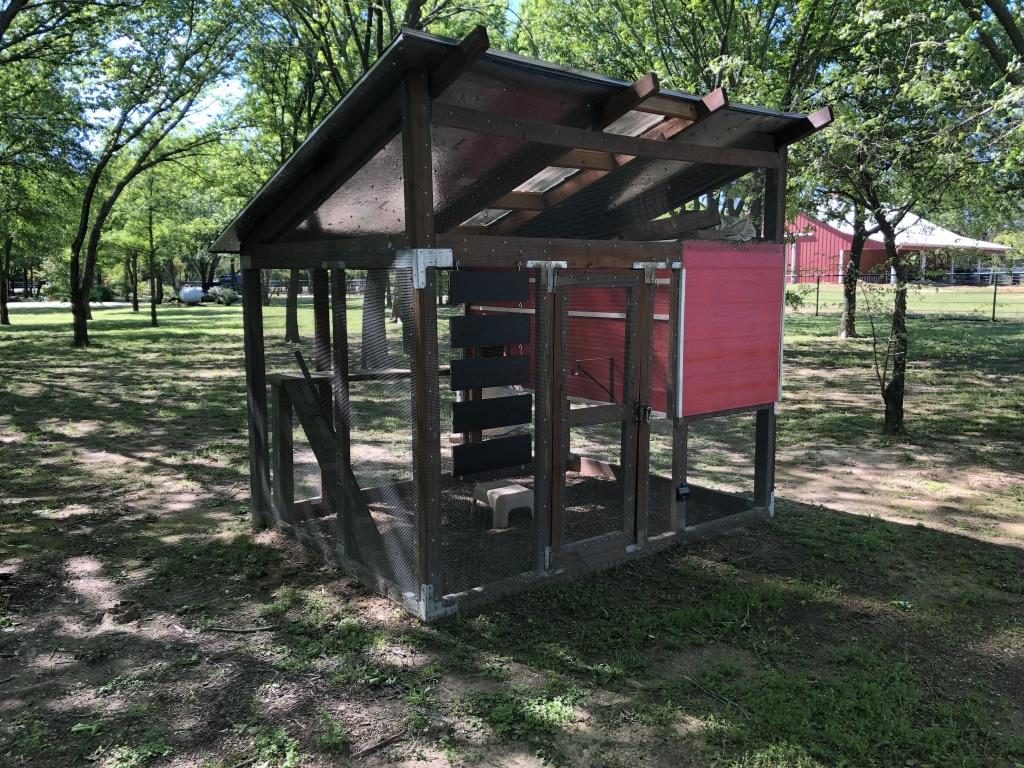
This was my pride and joy:
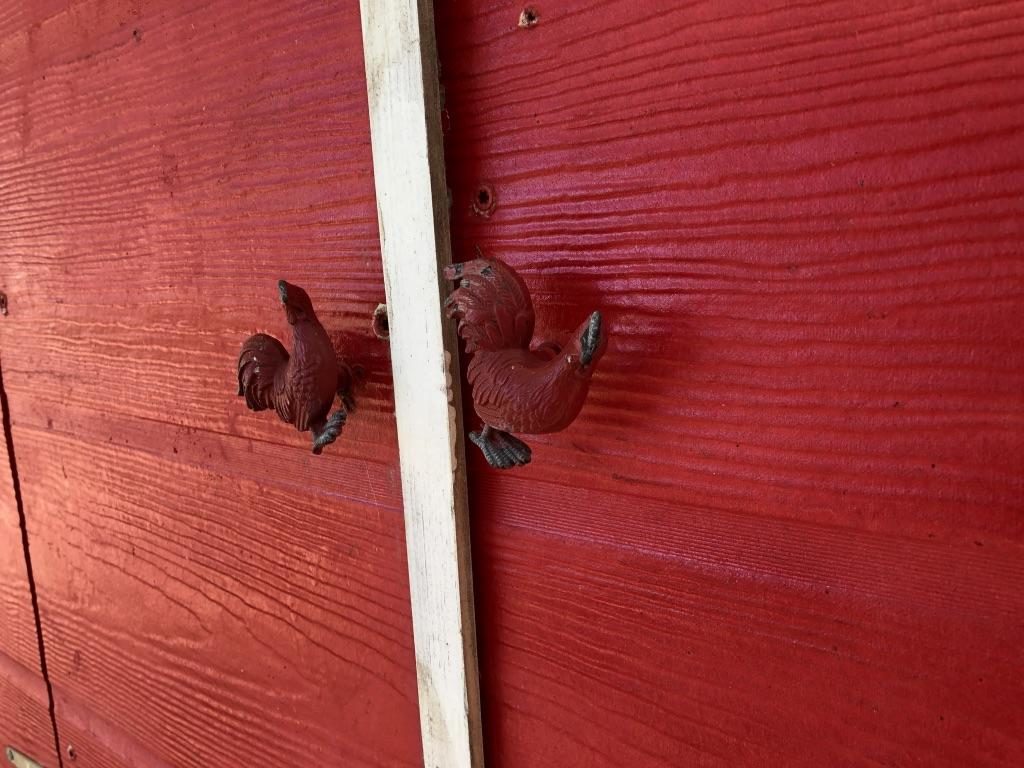
A luxury coop that is Pinterest worthy and constructed of the best materials I could get my hands on. It has a radiant barrier roof that I shingled! It has a skylight in the middle that is UV blocking and tinted so as to only protect against the harsh and hot Texas sun. We used metal bracing on every corner to make sure we were squared up and secure. There are hundreds of screws holding up the double layer of hardware cloth. Literally, hundreds of screws. I used pressure treated wood that was rated for ground contact and further sealed with deck sealant. I used fiber cement siding that was rated to withstand hail impact and wind thrown objects. No expense was spared in building the Fort Knox of chicken coops that I thought would last a lifetime. I even ordered special chicken shaped handles for the coop doors:
Why is an Omlet Coop a better buy than building a DIY coop?
Experience should not be underestimated when lives are on the line
Omlet was founded in 2003 and has been innovating since. That is over 16 years of experience in building chicken coops. That is 16 years of predicting and preventing predators from getting chicken dinners. The average DIY’er that I meet at trade shows or talk to on forums such as BackYardChickens.com is a first-time chicken owner who hasn’t witnessed the creativity and determination of predator animals such as raccoons, foxes, and even neighborhood dogs.
Included in the price of each and every Omlet coop is 16 years of research and development to give us chicken tenders the best possible home for our flocks. That is 16 years of perfecting the Omlet Coops that get delivered to front doors all across the World. I cannot emphasize this enough because it is the most important factor in why I chose Omlet over DIY’ing another coop. It is not 16 years of making the same old coop over and over again like you’ll find at Tractor Supply or the local hardware/feed store. It is 16 years of constant innovation and stalwart dedication to making the safest coop on the market. While you read the rest of this please ask yourself whether you think a few google searches, a Facebook group, or in my case a Pinterest post can compete with 16 years of on the ground experience with thousands of models sold and tested across not just the US but the world at large. Think about the chickens you will soon be bringing home to live in the coop. Do you trust their lives to a weekend DIY project? Also, if you have kids and they are involved with the chickens then please consider the trauma of them waking up some day to find that a raccoon has turned their favorite hens into a recreation of a CSI episode with a headless hen as the victim. The cost may be steeper up front, but I can personally assure you that it will be more than worth it in the end for the peace of mind, the portability, the cleanliness, and so many other reasons.
DIY may seem like the cheaper route but I can assure you that the first time you wake up to find your favorite hens dismembered by a racoon or de-feathered and half eaten by a fox the last thing on your mind will be how you saved a couple bucks here and there. Why go through the heartbreak of losing hens and then spend the next couple days having to drain your wallet to renovate and repair the coop? Also, once a predator gets into your coop once they will keep coming back for more. They will poke, pull, and attempt to gain access in any way possible since they now know that an all you can eat chicken dinner is just inside. Why not stop them the first time so they never even consider coming back?
Materials
The most commonly encountered coops on the internet are constructed of wood. Wood can either be treated or untreated. Treated wood is wood that has been infused with copper products under extreme pressure in order to give it a few extra years of protection against Mother Nature.
However, treated wood does not protect against the ammonia rich droppings left behind by fluffy chicken butts. Chickens do not urinate and defecate separately like us humans do. Instead they combine the two acts and their droppings are highly concentrated and highly corrosive to many materials. This results in an accelerated rate of decay and decomposition of any and all wooden components of a DIY coop. This is a hugely important point to consider because decaying wood is similar to rotten wood in that it is incredibly fragile, and fragility is not something any chicken owner wants when it comes to their coop. The only way to circumvent this is to be diligent in replacing decaying panels as soon as you notice the first signs of decay. Mind you, this requires purchasing more materials, expending more of your time performing the labor to remove the decaying parts and reinstalling the new parts, and adds undue stress to your flock as you tinker with their home.
Of note, there are various sealants and paints that can be used on both treated and untreated wood, but my firsthand experience showed that these only served to prolong the inevitable as they too decayed. Furthermore, I would caution against their use as they can become a health hazard for your flock. Chickens will eat just about anything they can fit into their beaks so as the paint and sealant begin to crack, chip, and flake off the chickens will pick at the cracking paint or sealant and will quickly eat any flakes they can knock off or catch on the ground. I am not a veterinarian, but it certainly doesn’t take one to warn against the well-known dangers of ingesting paint.
Omlet coops are made out of a high-density plastic polymers that are non-porous and designed to be durable against both Mother Nature and any mother hen. The corrosive droppings from your chickens do not affect the durability of the Omlet coop and will not cause it to degrade or deteriorate with wood. It will stay strong for decades or more without any need to repair, replace or renovate.
Chicken wire, I would like to just say to stay as far away from this as possible because every week I hear from people who used chicken wire only to discover their coops broken into and flock decimated. Chicken wire is good at containing chickens but is absolutely worthless for keeping predators out. Raccoons can reach their hands through it and can pull it apart in under an hour. Coyotes, foxes and neighborhood dogs can easily bite and pull it apart. Snakes slither right on in without trouble.
The other wire that people commonly use is hardware cloth. This is what I used when I first built my own coop and it does work for a while. However, over time it will sag, and it is not meant to bear weight well. It can prevent predators most predators for a while but it is far from impenetrable and without proper installation and constant checks it can easily fail and need replacing.
The run components are made from welded steel panels. I could go further into detail about these, but I think the picture below is worth a thousand words:
Portability
It was a sad day when I had to leave behind the Pinterest quality barn-inspired coop because we sold the house and couldn’t haul off the coop without hiring a forklift and crew to load it onto a flatbed.
Thankfully, that will never happen with Omlet Coops. They are portable when fully assembled and they are also so easy to disassemble and flat pack that I can now fit our multiple coops and run attachments into the bed of my pickup truck with ease. In fact, I had to do just that when we moved from Tulsa, Oklahoma to Austin, Texas.
Modular and Expandable with ease
One of the hardest parts about designing and building a DIY coop is that you have to know how many chickens you want from the start. That may seem like an innocuous task but there is a phenomenon known to chicken owners as “chicken math.” It is something I have encountered first hand and been a victim of. In what started with 3 chickens has now since expanded to 31 chickens and counting. Our barn inspired chicken coop was meant to house 5-6 hens at a time and any sort of expansion would be extremely costly and require cutting into, and compromising the structural integrity of the original coop to attach any expansions on it.
Our Omlet coop expanded with us and we are already saving up for another full-size WALK-IN-RUN to add. Attaching any sort of expansion or add on is literally a 10-minute job. Due to the modular structure of the Coop and the Walk-in-Run all that has to be done is clip on the new expansions to the existing ones.
Cost
The total cost of the Pinterest coop that I build was around $1600. It fit 5 chickens comfortably and held up for just short of 2 years before we started to have to replace parts and deal with decay.
Chicken coops from Tractor Supply range from $250 to over $1,000. However, most of these have wooden components that will break down and need replacing so you will have to throw money at it regularly to keep it functional.
There are a handful of plastic polymer options at TSC but none of them allow for attaching a run, or any sort of modular upgrades that will allow you to grow your flock or custom tailor your coop to your yard. Therefore, you will end up spending well over the cost of an Omlet coop for something that is not designed to fit together and is not as adaptable and flexible as a product from Omlet’s ecosystem.
Peace of mind knowing all of the “What if’s” have been accounted for.
As stated above, Omlet has more experience in this field than any DIY’er. They have answered all of the if, and, buts, and what ifs with first hand experience. The peace of mind that comes with being able to purchase an all in one coop that will last for decades, keep the flock safe, and be adaptable to your future needs is worth more than saving a few bucks by risking all of that.
It’s a lovely summer day – the sun is out, the colorful flowers in your backyard are in full bloom. The bees are buzzing, the vegetables are thriving, and raspberries are just waiting for you to pick and eat them straight from the bush. A nice, refreshing breeze blows lightly through the rustling leaves – and carries a different kind of sound with it.
Cluck, cluck.
Years ago almost everyone knew this noise from their own backyard.
Cluck.
Nowadays, a lot of people have only heard it in movies or maybe at the petting zoo.
Cluck, cluck.
This time though, the clucking is the most relaxing noise you could imagine, turning this beautiful day into perfection. Your little flock of backyard chickens, happily clucking away in your beautiful yard, supplying you with fresh, tasty eggs every day.
Does this picturesque scene sound somewhat too good to be true? A beautiful backyard with flowers, vegetables and berries that are not completely pecked and ruined by the chickens living with them? Is that even possible?
Yes, it is! And we will tell you how to chicken-proof your yard so that you can make your dream of keeping chickens and still having a beautiful yard a reality.
A secure chicken run
The easiest way to keep your yard in a pristine condition is to keep your chickens in an enclosed area. With a spacious chicken run, you’re able to keep the chickens in that space so that they won’t dig up your precious vegetables.
This might not be an option for everyone due to the garden’s shape, size or sloped areas. If this is the case, consider a mobile chicken coop. These coops allow you to move your entire flock quickly and easily in order to give them access to different areas of your yard or garden.
Yard size
The most important thing to consider is how much room you have in your garden that you would like to offer to the chickens. That determines how many chickens you can keep – without overgrazing your yard.
The more space you can offer your hens, the less damage they will cause. Their scratching will not be limited to a small area, but instead, they will be able to forage across your yard. Chickens will happily weed-eat for you, as well as rid your lawn of pests like slugs, snails and caterpillars. With enough space, your flock won’t destroy the lawn but will actually help keep it healthy.
Chicken breeds
Another important factor to consider is the breeds of chickens you choose.
Hybrid breeds usually cause the most damage, as they are constantly looking for food as an energy supply due to the demand of producing an egg almost every day. Hybrids are generally hardy birds that are easy for first-time chicken keepers. However, a better choice for a beautiful backyard are purebred chickens.
Depending on what you look for in a chicken, and if the eggs are not the most important part of your chicken parenting journey, bantam (miniature) or ornamental breeds are generally easy birds to keep in the garden. Their small size and lower energy requirements often prevent them from doing too much damage. Some popular breeds to keep in a garden are:
These chickens make beautiful, friendly pets and are known to be gentle with your garden. Their eggs are generally very small, and laying is infrequent (2-3 eggs per week).
Securing flower beds and veggie plots
An easy way to keep plants safe is a homemade hoop house covered in plastic or netting to keep your hens from sneaking a taste.
If that’s not an option, you could install raised beds in your yard. Most chickens aren’t interested in foraging for food above their head level, so they tend to leave plants in raised planters alone. And, raised garden beds make for easy, back-friendly, and more enjoyable gardening.
If you don’t have raised beds or want hoops around your plants, we’d recommend a mobile fencing option to allow your chickens to roam freely, yet not show off their landscaping skills on your veggie plot. Mobile Chicken Fencing from Omlet is ideal to keep chickens out of certain areas. Our fencing blends into your garden and is available in 39, 69, 105 & 138 ft rolls. This movable chicken fencing is much easier to install than chicken wire and features many benefits such as tangle-proof netting, adjustable poles and reflective badges to help you find the gate at night.
Omlet’s flexible chicken fencing comes with an inbuilt gate which features a strong catch that is comfortable to use. You can also set the width of the gate opening to your preferred size, making it easy to get in and out to feed your chickens. The gate can be positioned wherever you want within the layout you have chosen. You can put it at either end, the middle, or anywhere else.
Taller than most chicken fencing, Omlet’s chicken fence has an overall height of 4 ft. With that height, you can be confident that even the most determined of your feathered friends will be prevented from making a great escape. The poles of the fence are adjustable to ensure that the netting remains tight and secure at all times.
Offer a “chicken spa” area
Chickens love to dig up dry soil under bushes to enjoy a dust bath in the sheltered, shady area. Allow them to find their favorite spot, or plant some chicken-friendly bushes in an area you are happy to devote to your chickens, and they will most likely not think about any other plants. A chicken spa like that will not only keep your hens’ feathers in beautiful condition, but will also keep them in good spirits and health.
Keep an eye on your chickens
The best and safest time for your chickens to free range is usually when you are with them and can keep an eye on them. This allows you to keep them from causing too much mischief, and from getting into plants they shouldn’t. Throwing a handful of tasty corn in an area as far away as possible from flowers and veggies will quickly distract your flock from your flora.
There may be plants you want to keep your flock away from to keep them producing and looking their best, but there are some plants that are downright dangerous to chickens. Plants that are toxic to chickens include:
Daffodils
Azaleas
Rhododendron
Raw beans
Ferns
Rhubarb
Raw potatoes or onions
Tulips
This is not an exhaustive list, so be sure to check all of your plants that your hens may come in contact with to verify whether or not they’re safe.
Many other garden plants are perfectly safe for chickens, and even nutritious for them. Plants that your flock can safely snack on include:
Herbs such as oregano, parsley, or rosemary
Dandelions
Clover
Sunflowers
Pansies
Nasturtium
Lavender
Marigolds
Squash blossoms
Omlet and your garden flock
At Omlet, we want you to enjoy your chickens as a valued part of your family. And as part of your family, we want them to be able to enjoy your garden along with you. With eye-catching accessories like the Freestanding Chicken Perch or Chicken Swing, you can incorporate fun for your flock into your garden decor. With Omlet, your chickens can cohabitate with your garden in ways that were never possible before.
How do chickens lay eggs? Chicken keepers and egg eaters alike often ask this question. This fascinating process is complex, but occurs daily within laying hens. Take an in-depth look at the egg-laying process from start to finish – it’ll make you give your laying hens a round of applause.
Ovulation takes place every 24-36 hours for most laying breeds of chickens. This results in an egg being laid roughly every day and a half. Some laying breeds can lay an egg every day or more. The world record number of chicken eggs laid in a year is 371 eggs in 364 days, set by a White Leghorn hen in 1979.
The process of laying an egg
Chickens ovulate like other animals, but instead of eggs the size of small cells being released, hens lay the nutritious, tangible orbs that we enjoy for breakfast. The process of laying an egg takes around 24 hours, and hens as young as 18 weeks old can begin laying. We’ll break down each step of the egg-producing process.
Step 1: it starts with light
Egg laying actually starts with your chickens’ eyes. Sunlight enters through a hen’s eye and activates a photosensitive receptor called the pineal gland – located behind the eye. Once the pineal gland is stimulated, it triggers a string of events that releases an egg, or oocyte, from the hen’s ovary. This light sensitivity is one of the reasons chickens lay fewer eggs in the winter.
Step 2: formation of the yolk
Hens are born with two ovaries, but the right ovary becomes dormant after a female chick hatches. The left ovary is the one that will produce eggs throughout a hen’s lifetime and contains thousands of ovum, which will become future eggs.
If you were to look inside a chicken, these undeveloped ova can be seen at the start of the spine. When the chicken is old enough to start laying, some of these ova begin to mature into what will later become the yolk. At this stage, the ova are separated and contained within their own follicles, but when one is ready to move on it releases its follicle and moves out of the ovary and down the reproductive tract, the oviduct.
This process, called ovulation, occurs approximately every 25 hours, and normally starts again about an hour after the previous egg has been laid.
Step 3: egg white surrounds the yolk
Up until this point in ovulation, all chicken eggs are unfertilized. Hens can lay eggs with or without the presence of a rooster, but they can be fertilized if you keep a rooster in your flock. Fertilized eggs are edible, as long as you collect the eggs daily.
Via the infundibulum, the yolk enters the oviduct, and it is here that the egg is fertilized if a rooster has courted your hen. You might have noticed that egg yolks have a small, white spot on them. This is the blastodisc, the single female cell that together with the sperm will develop into an embryo through cell division.
The journey of the egg is, however, the same regardless of whether it’s been fertilized or not. The yolk travels through the magnum and isthmus parts of the oviduct, and this is where the egg white (also called the albumen) is created. It works as a thin membrane around the yolk that holds everything together. The chalazae, two spiral bands of tissue, make sure that the yolk is evenly positioned within the albumen, and the whole thing starts looking like an egg – without its hard covering.
Step 4: the shell is formed around the egg
The egg receives its shell in the uterus, through the shell gland. It takes roughly 20 hours to produce the shell, and is the most time-consuming part of the process. Before the egg moves on for the last time, the outermost layer, known as the bloom or cuticle, is formed to create an antimicrobial layer around the shell. When the egg is ready, the shell gland pushes the egg out of the oviduct and into the cloaca or vent, the part where the reproductive and excretory tracts meet. Hens excrete all eliminations through the vent, but the hen’s uterine lining actually wraps around the egg until it is completely free from the hen’s body – keeping it nice and clean.
Egg laying the Omlet way
And there you have it – the amazing journey an egg makes before being laid by a hen. Our chicken coops offer your hens a safe and comfortable place to deposit the fruits of their labor. And to store those labors of love, try our Egg Skelter, which will proudly display your hens’ amazing, natural works of edible art.
Using a steam cleaner to clean any Eglu can be a very effective way. It will not affect the plastic, whereas all surfaces are cleaned, disinfected, and all killed mites, insects and dust are blown away by the power of the steam. As a bonus the surfaces will be dry in no time, because the plastic is warmed up.
Deep-cleaning an Eglu Go once or twice a year is extra easy if one follows these steps:
1. Take of the top panel (lid)
2. Unscrew both side panels and bumpers, and take these off as well. For a complete cleaning you may want to disconnect the run as well.
3. You now have access to all inner and outer surfaces. Clean them thoroughly with the steam cleaner, if required using an old dish brush as well.
4. Clean the bumpers, panels and top lid in the same way.
5. Re-assemble the run and the coop.
This cleaning method has been used for several years now by our Dutch team-member and is guaranteed to keep your Eglu in top condition, without damaging any parts!
Nathalie is the owner of the Instagram account My Backyard Paradise. Together with her husband and their three teenage daughters she runs her own ‘mini backyard farm’ in Belgium. The beautiful pictures she shares with her Instagram followers show that this truly is a backyard paradise. In June 2018 Nathalie decided to extend her mini farm with three ex-battery hens. Follow their journey to recovery in the two-part photo diary she kept for us. You can find part one here.
Week 3
The chickens are still eating an Alfamix mixture, a very rich grain blend with pellets and amphipods, and layers pellets. It’s time to further reduce the layers pellets (this was the only feed they had before we rescued them). For one month we will only give them Alfamix, then they will get the same food as our other chickens. Our chickens also always have access to a large meadow where they can find lots of extra food.
It’s also time to do something about their nails. Usually it’s better not to cut chicken nails, they just have to wear down. But the manure stuck under their nails needs to go. We soak their feet in lukewarm water and wash off the manure. This takes more than half an hour per chicken. In the meanwhile our ducks decide to help us and bathe in the water! As a reward we give the chickens a treat afterwards. It’s strawberry season, so I cut some strawberries into small pieces. My husband says the chickens are still ignorant, they are not used to anything and do not know how to eat a whole strawberry. But they do like the small pieces, they finish them in no time. Slowly we introduce more variation into their diet. Our chickens always get a decent amount of fruits and vegetables, kitchen scraps, leftovers from our children’s lunch boxes etc. We’d rather give it to our chickens than putting it on the compost heap.
We are down to two eggs per day. One chicken stopped laying completely, but we don’t blame her. It’s nature and we have to respect it.
This week it rained for the first time in a long time. Fortunately, I have a very caring daughter who wants to make sure the chickens look for shelter. When she checks on them she finds them in their run, not moving and soaking wet. When she comes back in she’s also soaking wet. She tells me she put the chickens in their Eglu and closed the door “because otherwise they will never learn, mum!”. Our children are really interested in our new chickens and they think it’s terrible how laying hens are treated by the industry. They tell me that next time we have to save 50 chickens! But I don’t think our neighbors would agree with that. It’s important our children learn that nature has a rhythm, and that chickens lay fewer eggs during winter. But this doesn’t mean they have to die! We will just eat less eggs and have to remember to store eggs in the freezer so we can use them for cakes later on. We certainly will not buy any eggs this winter!
Week 4
Our chickens really start to get to know us and they know when we will bring them treats. It’s now time to introduce them to the rest of our chicken family. Our chickens have not been allowed to free-range since the new chickens arrived. The risk that they would transmit parasites was just too high. But now they are allowed to run free again. And they are very curious to meet these three brown newcomers! The new ladies on the contrary are not too sure about this and stay close together in the middle of their run. We will spend this week introducing them to each other. Eventually we want to keep them all in the same large chicken coop. In no time they are used to the other chickens and don’t even seem to notice anymore when ten other hens scratch around their run.
Since they are now part of our extended chicken family we have to come up with names for the ladies. This is something we always decide as a family. We decide to go with names of the Belgian Royal Family. Overall, they will be our best laying hens, so they deserve some respect. We name them Louise, Elisabeth and Mathilde. They are not scared anymore and eat from our hands. It helps when you talk to them softly, as they start to recognize your voice and associate it with food. Besides vegetables we now also feed them scraps like rice and pasta, which they really seem to enjoy. And they still give us two eggs every day!
Second month
It’s finally time. We move the Eglu to the orchard, our chickens’ playground. We open the door of the chicken run. Our ladies stay inside, but our greedy Faverolle cannot wait to taste their feed and unsuspectingly enters the run. Immediately the three chickens attack. My children are shocked, they did not see this coming! I don’t worry too much since I know they’ll soon sort themselves out and are now strong enough to defend themselves. We just have to give them a few days to get used to each other.
They then take off to discover the orchard, but stay together all the time, and the other chickens don’t come near them. But it is time for them to sleep in the big chicken coop with the other chickens. At night, when it’s already dark, we take them out of their Eglu and put them on a perch in the big coop. The best time to do this is at night when it’s dark, so they won’t start fighting. This way the chickens will also all have the same smell in the morning. We keep the automatic chicken door closed for 2 days. This will enable them to sort out the pecking order and it will give them time to get used to their new home.
The transition actually goes really well. But they don’t let the rooster come near them! They are clearly higher in the pecking order than him! After two days we open the door of the chicken coop and allow everyone outside. The three ladies are slightly hesitant but eventually decide to have a look outside to see what the other chickens are up to. The only problem with the three chickens is that they like to stay out late, after the door of the automatic coop has already closed. My husband takes a flashlight to look for the chickens and puts them in the coop with the other chickens. But we can’t do this every night… We’re going on holiday soon and we want the chickens to go inside the coop by themselves. Instead of putting them in the coop we just manually open the door again when they want to get in. After a few days they enter the coop before the door closes. We can now go on holiday and don’t have to worry anymore!
I notice that since they’ve decided to sleep inside the coop, they’ve really found their place in the group. They even sleep on the highest perch. We notice the amount of eggs has really decreased. We just find one egg per day, which is strange since we hear two chickens clucking. Our youngest daughter decides to keep a close eye on the chickens. After spending half the day in the orchard, our daughter proudly tells us she found out where one of the hens is laying her eggs. There is a hidden nest! A true treasure with seven eggs in it! After removing the eggs and twigs, this hen also decides to lay her eggs in the chicken coop.
Three months later
We split our holiday in two so we can check on our chickens and collect their eggs. There is a fox in the neighborhood, so we are scared every time we come back home. But they’re all still there! We have an automatic poultry drinker, they have plenty of food in their feed bucket, and with all the plums, peaches and apples falling from the trees there’s also more than enough variation! There’s nothing better than a bunch of happy chickens and a bucket filled with colorful eggs. Now all of our chickens are allowed to free range in the garden when we are home. The three ladies are now the most adventurous. Our other chickens never noticed the compost heap but the three ladies have already found it (and they help mixing it a little bit). The only chickens that sometimes enter the kitchen are these three. And when we have dinner outside, one of them will sometimes just jump on the table. They surely provide entertainment!
We are really relieved and also proud the three hens have adjusted so well. It was a difficult summer for the animals. It was really warm and there was no rain to cool them down. But with the right care and some extra attention it all went really well.
The three hens are proud chickens now, and are definitely are part of our chicken family. They are very tame, and they are always the first to come to us so we can pick them up and cuddle them. They are very curious and love colorful shoe laces. Their egg production has stopped because they need all their energy to renew their feathers. We give them protein muffins to help them with this.
Just a few weeks from now they will have beautiful shiny feathers and the only thing that will remind us of their past will be their trimmed beak!
Wondering how to convince your partner to let you get chickens? You aren’t alone. There are many misconceptions about chickens and their care that cause many people to baulk at the idea of owning them. But, like most reservations, most of these concerns are unfounded. Here is our best advice on how to get others on board with the idea of getting chickens. Bust common myths and put care concerns to rest – and you’ll soon have your entire household clamouring to keep chickens.
6 myths about keeping chickens
Debunking some common myths about keeping a flock will be your first step in convincing your family to let you get chickens. While this is not an exhaustive list, these are the main concerns raised when families consider keeping chickens.
Myth #1: Chickens smell bad
While it’s true that hens’ droppings smell, hens themselves have no odour. If their coops are kept clean there will be virtually no stench from your chickens’ setup. Our easy-to-clean chicken coops ensure that your hens’ home stays fresh and clean from just minutes of cleaning each day.
Your hens will keep themselves clean by preening their feathers and taking chicken dust baths. Choose odour-absorbing material like pine pellets, sand, or finely crushed rock for the base of your chickens’ run to eliminate any outdoor odours. Finally, use a pressure washer or soap and water on the interior surfaces of your chicken coop once a week, and you should experience little to no odour from your garden flock.
Myth #2: Chickens take up a lot of space
Depending on the breeds of chickens you keep, most of them don’t require much space. Of course, your flock will be happiest with the most space possible, but there are options that will make the best use of the space available. Mobile chicken coops allow you to move your hens’ home to the most convenient spot, or relocate them whenever you need to. Your flock can help you mow your grass, control the bug population, or enjoy shady areas through the use of a mobile chicken coop.
Don’t want your flock to have access to the entire garden? Chicken fencing or a walk in chicken run enables you to customize your flock’s area within the space available in your garden.
Myth #3: Chickens are noisy
Most of the time, when people think of noisy chickens they conjure up the image of a crowing cockerel. While cockerels are in fact quite loud, hens make quiet noises that are not likely to disrupt the neighbourhood, and most people find quite sweet and relaxing. Occasionally, hens may make louder sounds, but these are usually reserved as warning cries. When they “sound the alarm”, it’s usually because of a perceived threat.
Some breeds are more vocal than others, so if noise is a concern, it’s best to do some research beforehand. Faverolles, Polish, and Wyandottesare among some of the more boisterous breeds that you may want to avoid if noise is of concern. There are also some hens that will loudly proclaim that they have laid an egg. The ruckus is short-lived, but they will often get the entire flock going for a few minutes in a celebratory cheer. This behaviour is most common in young hens that are just beginning to lay.
Myth #4: Chickens will fall prey to predators
Chicken predatorsare a real threat, but the reality is that if you keep your flock in a predator-resistant setup, you can greatly mitigate the risk they pose. Heavy-duty wire weld chicken runs with anti-dig skirting will help protect your flock from the most common predators that would make a meal of your hens.
If you have dogs or cats that patrol your garden, your risks of dealing with chicken predators are greatly reduced. And, for those that would strike your chickens’ coop after dark, an automatic chicken coop door can be added to your hens’ house to help keep them safe from nocturnal intruders.
Myth #5: Chickens will prevent me from travelling
Chickens are surprisingly self-sufficient, especially compared to other types of pets. Their main needs are:
Safe housing
A secure run
Free-choice feed
Fresh water
An established roost-to-rise routine
Assuming these are met, you can safely leave your flock overnight. If you’re going to be gone longer than a day or two, it’s a good idea to get a chicken sitter. This is especially true if weather conditions are below freezing or uncomfortably hot to make sure your flock’s water remains palatable.
Daily chicken care doesn’t take all that long, and usually, chicken sitters are happy to be compensated in eggs for their time. A neighbour or local friend or family member are great resources when looking for someone to check in on your flock while you’re away.
Myth #6: Chickens need a cockerel in order to lay eggs
This is one of the most common misconceptions that exist about chickens. But to put this notion to bed: hens do not need a cockerel in order to lay eggs. Most hens ovulate every 24-36 hours, which means they can produce one egg roughly every day and a half – with or without a cockerel.
Winning your partner over
Next, it’s time to present all of the ways in which chickens benefit their owners. Many hens are social and bond with their owners – some even capable of learning tricks. But personalities aside, there are several other reasons to own chickens.
Fresh eggs
Probably the most obvious reason for keeping chickens is the prospect of providing fresh eggs for your family. The difference between store-bought eggs and fresh eggs is startling. Many families need only to see the difference between the two eggs to be fully convinced of the higher nutritional value of fresh eggs.
To show your family the difference between the two, simply crack a fresh egg into a bowl next to a store-bought egg. Eggs bought in a store are lighter and thinner in appearance, while fresh eggs have a deep, rich colour to their yolks and a thicker consistency.
Strategically placed chicken fencing or chicken runs can allow your chickens to prune overgrowth and provide weed control in your garden. And, mobile chicken coops let your flock graze different sections of your garden to help with mowing.
Chickens as family pets with Omlet
Like other pets, chickens require time and responsibility, and it’s right that you take owning them into careful consideration. But with quality chicken-keeping products from Omlet, you’ll be able to start out strong and enjoy keeping chickens for years to come. Our chicken coops, chicken toys, chicken runs and chicken Feeders and Drinkers are all designed to last a lifetime and bring joy to both flocks and their families. Let us know how you get on!
As long as your chickens are laying, you can hatch and incubate chicks all year round. However, traditionally the most popular time to breed your own chickens is in the spring. Hatching and rearing your own chicks from eggs is an incredibly exciting and rewarding process. There is nothing better than seeing your tiny chicks grow up in the knowledge that they are getting the best possible life from start to finish.The incubation period for chicken eggs is usually 21 days. The most reliable way to incubate your fertilised eggs and maximise the chance that they will hatch into healthy chicks is to use an artificial incubator. Here’s our step-by-step guide to hatching chicks:
1. Long Term Plan
Before the hatching starts, you will need to have a plan in place as to what you are going to do with the chickens once they hatch. It is a safe estimate that 25-50% of eggs will not hatch due to either not being fertilized or due to some mishaps during incubation. Among those which will hatch, approximately 50% will be cockerels and 50% will be hens. Everybody wants hens and hardly anyone needs cockerels, so there is a question of what to do with the latter. In many breeds, cockerels do not tolerate each other and they will fight vigorously unless they are completely separated.
2. Eggs
First of all, you need to be as sure as it is reasonably possible that the eggs are fertilized, so getting them from a good breeder / farmer is crucial. Eggs of some breeds are quite expensive, so every egg that will not hatch costs you money. A breeder can never give you a 100% guarantee that the egg is fertilized, but an experienced one can be quite confident they are.
The eggs should not have any deformations or bear any other visible defects. Any cracks in the eggshells are a no-go. Any defect of the eggshell might result in the chick having difficulty in hatching, being deformed, or not developing at all.
Once you have the eggs, it is a good practice to wash them with an egg disinfectant. Eggs are porous and the embryos get oxygen and water through their eggshells. If there are any toxins or bacteria on the eggshells, that might endanger the embryos.
3. Keep a Diary
It is a really good idea to keep a diary of hatching. This includes numbering the eggs and keeping a daily record of each eggs weight. A developing egg will gradually lose weight in its 21 days of incubation. It will lose about 10-15% of its original weight over time. When the egg in the incubator is not losing weight it usually means it is not developing.
4. Incubator
Turning
Choose your incubator carefully. Some incubators, such as the Brinsea Mini II Incubator have an Auto-turn mechanism built-in. Auto-turn saves you a lot of time and effort. Every egg during the incubation time needs to be turned every 90 minutes in order for the embryo to be positioned perfectly in the egg. A broody hen naturally turns all the eggs she is sitting on as she moves around the nest, so the turning simulates what naturally happens when a hen takes care after eggs. If the incubator does not have the Auto-turn option, you will need to turn the eggs manually. It is therefore a good practice to mark all eggs with a non-toxic marker just to be sure that every egg is being turned every time you visit them.
Temperature control
A good incubator will be able to keep a steady temperature within. One that we recommend is the Brinsea Mini II Incubator. The optimal temperature for hatching chicks is 37.5 degrees Celsius. A good incubator will set its alarm off if the temperature within drops below or rises above a certain threshold. Temperature in the room where the incubator is placed is crucial here, as it heavily influences the temperature in the incubator. You will be opening the incubator during routine controls of the eggs, so it is really important the eggs don’t get a temperature shock in the process – such a shock might kill the fetuses. We advise keeping a steady temperature of approx. 25 degrees Celsius in the room with the incubator. The room should also be draft free.
Humidity control
A good incubator will be able to provide a good humidity inside. Optimal humidity for the eggs during hatching is around 40-50% but needs to be increased on Day 19 in order to soften the eggshells and help the chicks to hatch out. With some Incubators such as the Brinsea II Mini Incubator, there are two water containers inside. Fill one up every day, and fill both of them from Day 19 onward. You can fill up the water container in the Brinsea without the need to open it which is very useful, since you generally don’t want to open the incubator too often. It is perfectly normal that some condensation starts to build up in the incubator after a few days due to high humidity.
5. Daily routine
Cooling
Day 7 is an important threshold. First of all, you need to start cooling the eggs for half an hour a day. It’s best to do this around the same time each day. A good incubator has a fan and you can set an automatic cooling time. If not, you need to cool the eggs down manually by taking them out of the incubator. The cooling temperature should not be shockingly different – a difference of 2 to 5 degrees Celsius will do.
Developing eggs keep their own temperature when exposed. That is how a hen tells the difference between a developing and a dead egg. When the hen gets off the nest to eat and drink, the dead eggs will go cold almost instantaneously. The hen will then get rid of the dead eggs from the nest.
Candling
You also need to start candling the eggs on Day 7 at the latest. Candling will show you which eggs are developing and which are not. If an egg does not show any signs of development on Day 7, it will not hatch. It is essential to take out any eggs which stop developing as they will start to decompose if left in the incubator. From Day 7 onward you should continue candling on a regular basis. It’s not necessary to do it every day, as you won’t see any significant progress on day-to-day basis, but it is a good practice to do it every third or fourth day. Weighing and candling combined are usually good indicators if the egg is developing or not.
From Day 7 up to Day 19 tasks should continue in a routine manner: daily cooling, weighing, and occasional candling.
6. Hatching
Day 19 marks the next important stage. You need to stop turning the eggs and cooling them, and lay out a hatching mat in the incubator (so the chicks won’t slip on the incubator’s surface on their first day of life). You also need to increase the humidity inside up to at least 65%. When using the Brinsea Mini II Incubator you can achieve this by filling up the second water container inside.
At some point during that period the eggs will start wiggling: the chicks will be moving around the egg to position themselves perfectly to hatch out. You might feel the temptation to check on the eggs often, but at this time it is best to leave them be and inspect the eggs every 6 hours or so.
Around Day 20 the chicks should peck out a small hole in their eggshells to catch their first breath of fresh air. It’s best to leave them be. Do not help them by making the hole bigger or breaking the shell apart. They will do it themselves in their own time. In that time they will also consume all the nutrients in their eggshells, so it is vital for them to stay inside for the time being.
Most of the chicken breeds hatch on Day 21 with only a handful of breeds hatching on Day 20 or 22. Do not help the chicks in hatching, they should be able to do it themselves – it’s their first test of strength. Only give a helping hand when a chick is really late (in comparison with its companions in the incubator) and/or the eggshell is really thick and the chick is evidently struggling to get out for a prolonged period of time.
Once the chicks hatch out, leave them in the incubator for another 24 hours. They should be well fed having eaten all the nutrients from their eggs. Apart from that, the incubator provides them with the optimal temperature and humidity.
Now watch our eggcellent egg hatching video to see how easy it is to hatch chicks!
By clicking "Accept All", you agree to the storing of cookies on your device to enhance site navigation, analyze site usage, and assist in our marketing efforts.
Privacy Preference Centre
When you visit any website, it may store or retrieve information on your browser, mostly in the form of cookies. This information might be about you, your preferences or your device and is mostly used to make the site work as you expect it to. The information does not usually directly identify you, but it can give you a more personalized web experience. Because we respect your right to privacy, you can choose not to allow some types of cookies. Click on the different category headings to find out more and change our default settings. However, blocking some types of cookies may impact your experience of the site and the services we are able to offer.
Manage Consent Preferences
Always Active
These cookies are necessary for the website to function and cannot be switched off in our systems. They are usually only set in response to actions made by you which amount to a request for services, such as setting your privacy preferences, logging in or filling in forms. You can set your browser to block or alert you about these cookies, but some parts of the site will not then work. These cookies do not store any personally identifiable information.
These cookies allow us to count visits and traffic sources so we can measure and improve the performance of our site. They help us to know which pages are the most and least popular and see how visitors move around the site. All information these cookies collect is aggregated and therefore anonymous. If you do not allow these cookies we will not know when you have visited our site, and will not be able to monitor its performance.
These cookies enable the website to provide enhanced functionality and personalisation. They may be set by us or by third party providers whose services we have added to our pages. If you do not allow these cookies then some or all of these services may not function properly.
These cookies may be set through our site by our advertising partners. They may be used by those companies to build a profile of your interests and show you relevant adverts on other sites. They do not store directly personal information, but are based on uniquely identifying your browser and internet device. If you do not allow these cookies, you will experience less targeted advertising.
 FREE shipping on orders over $100
  10% off your first order
  180-day guarantee
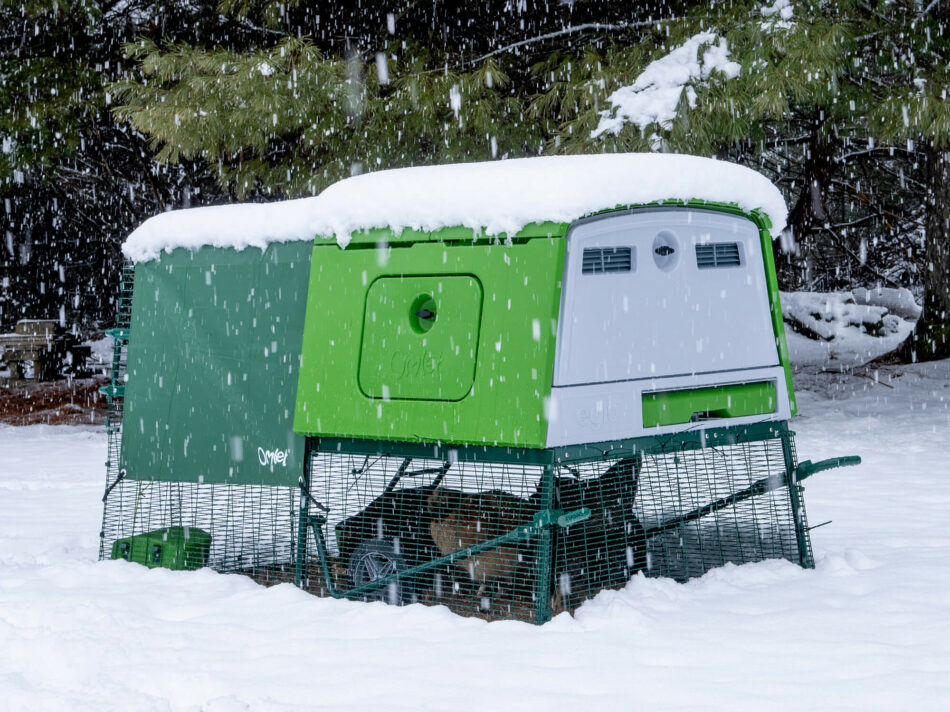

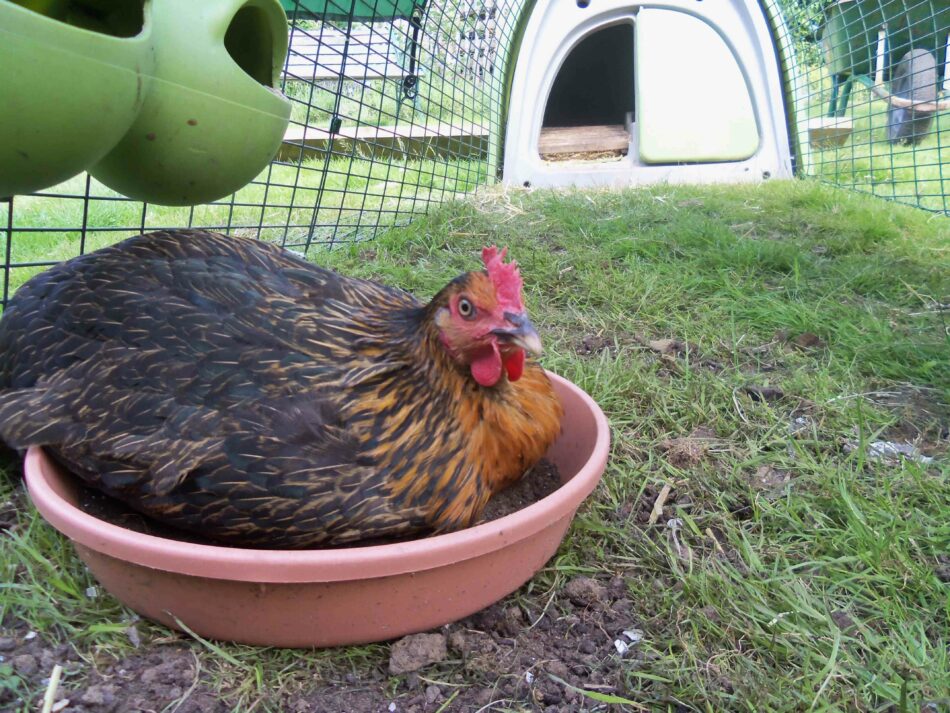
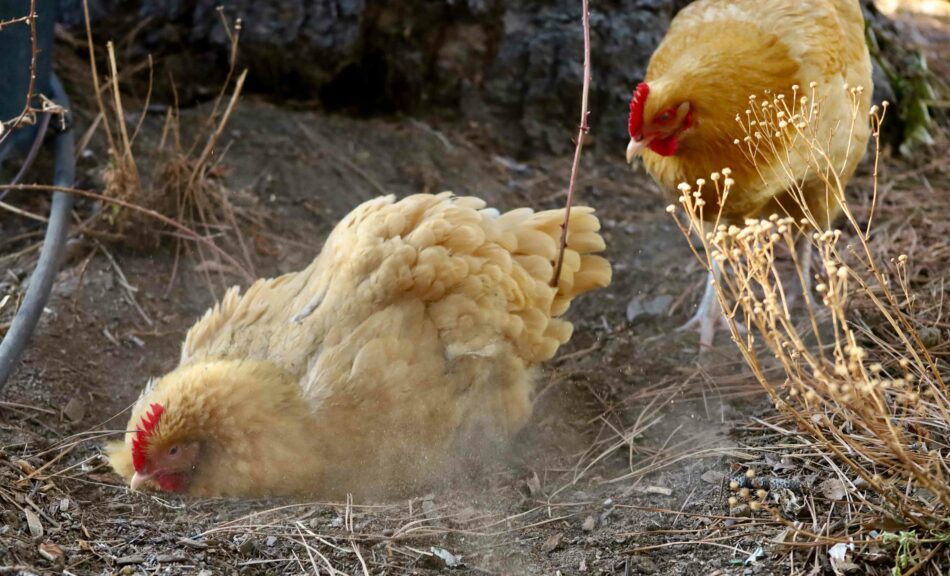
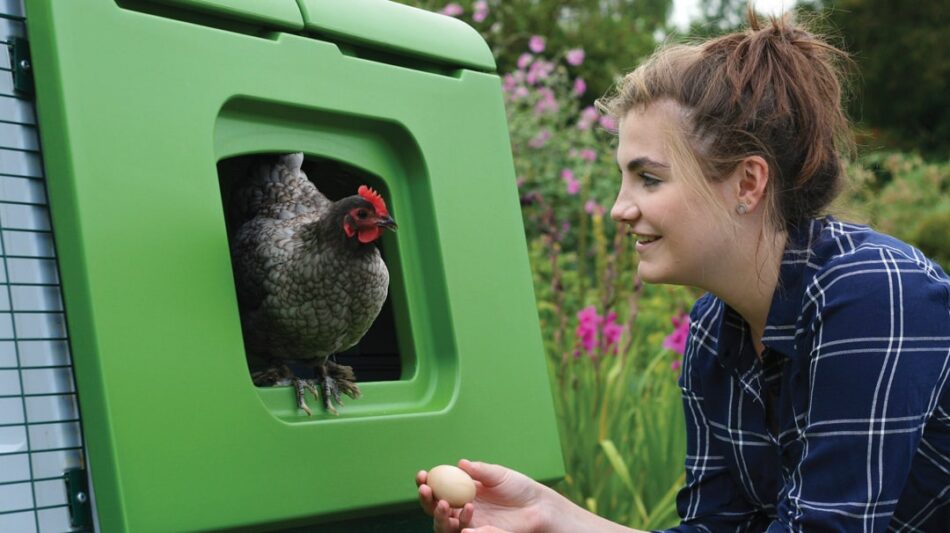
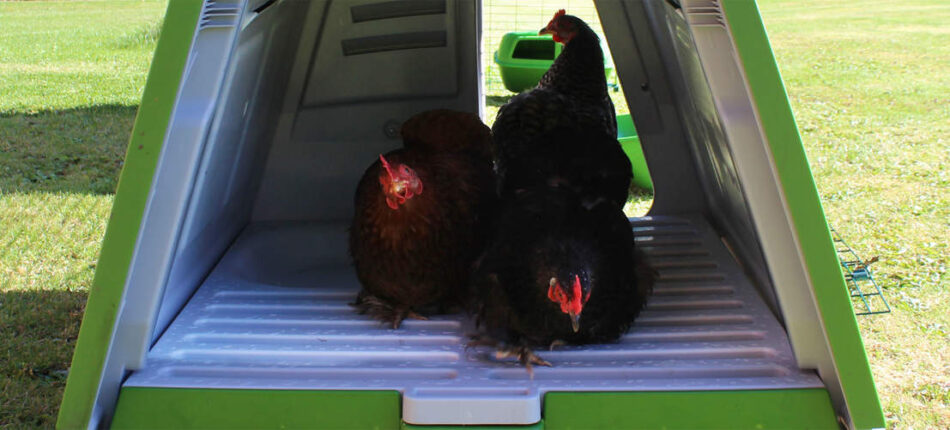
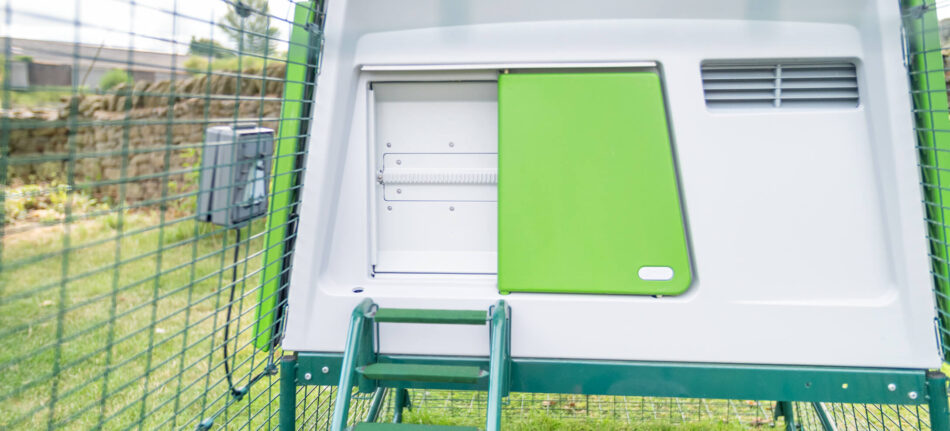
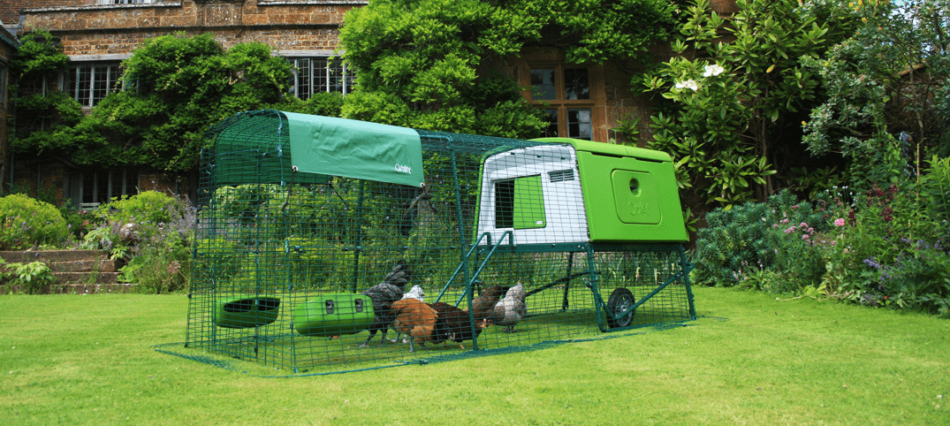
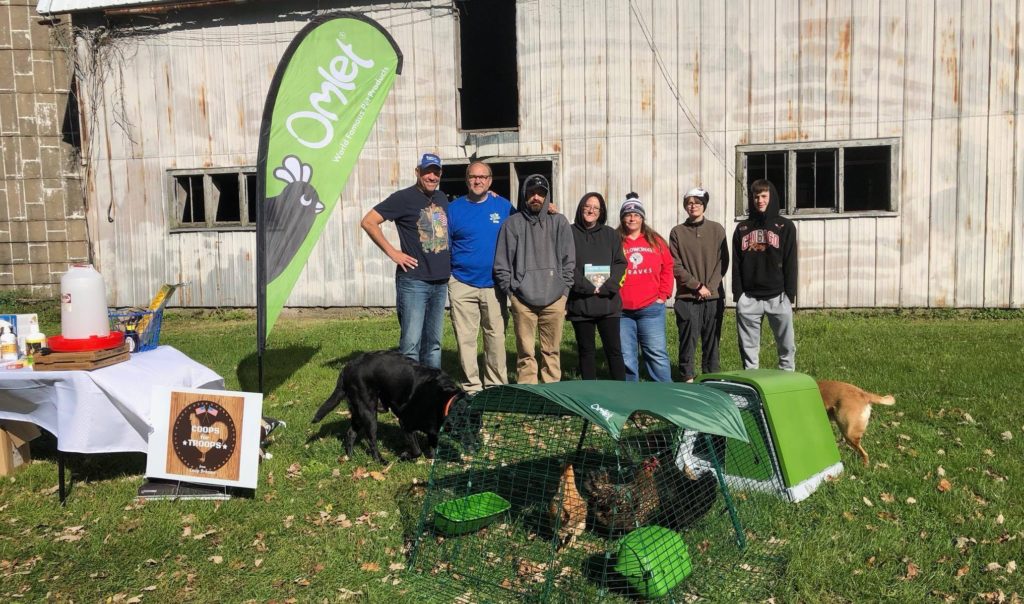


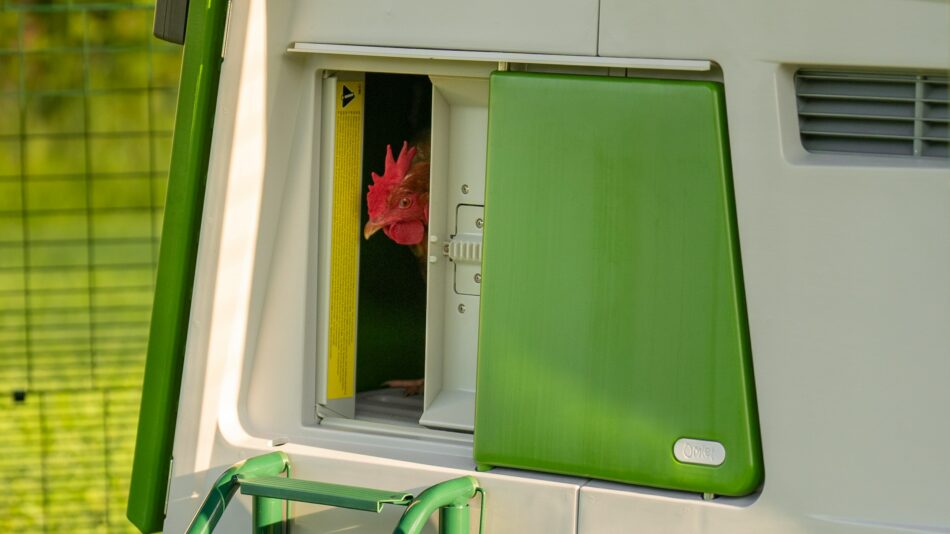


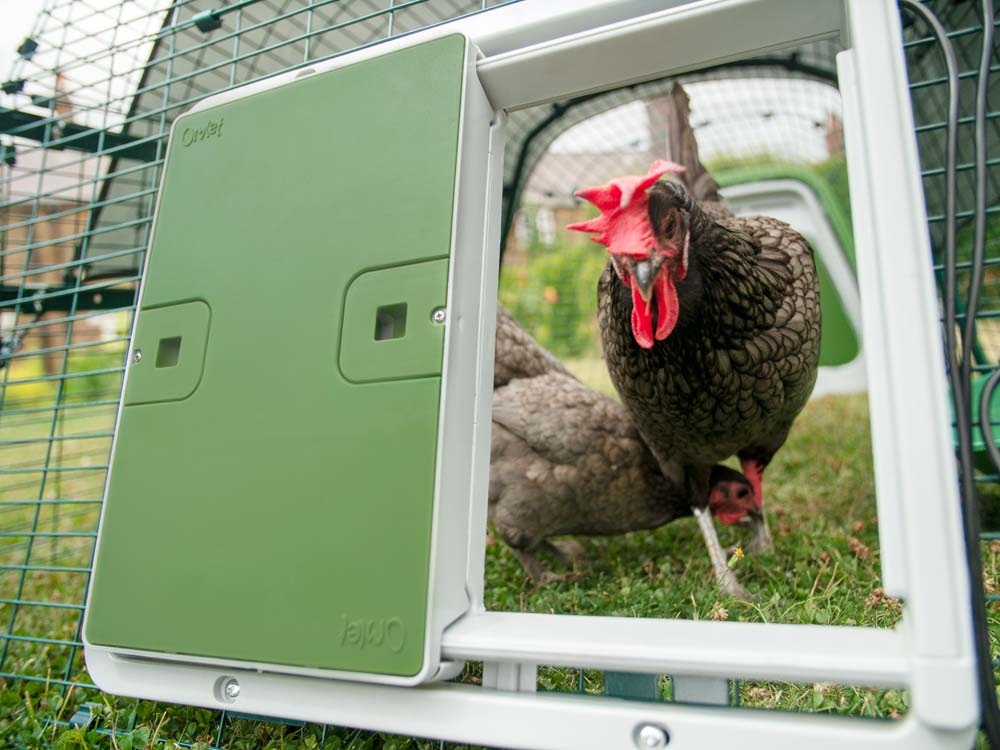
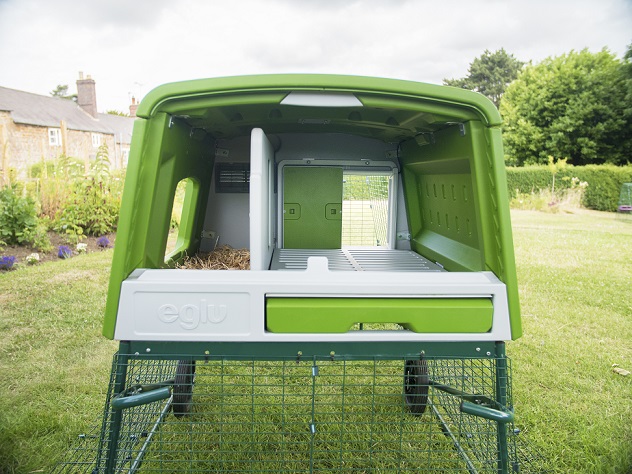
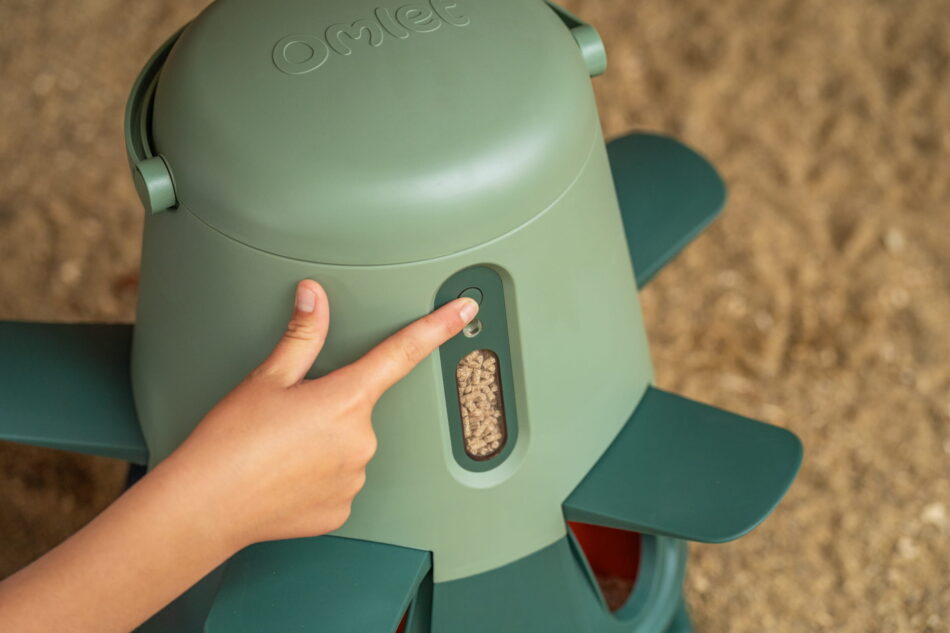
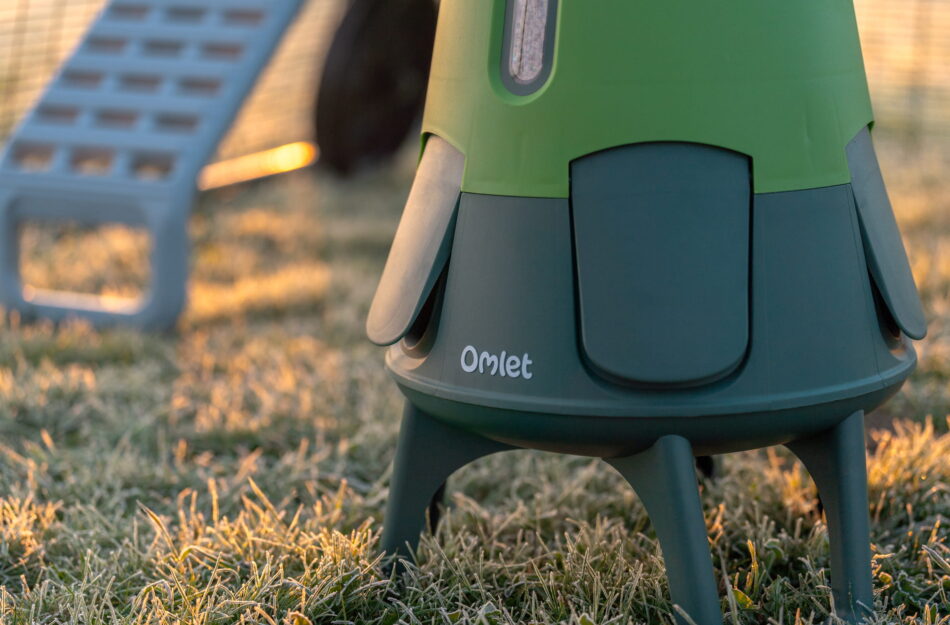
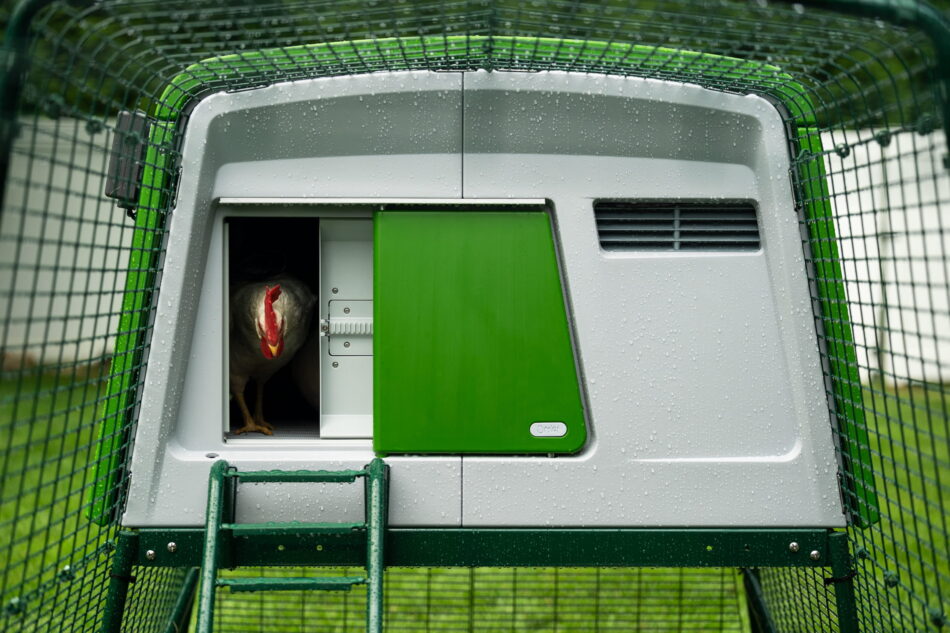
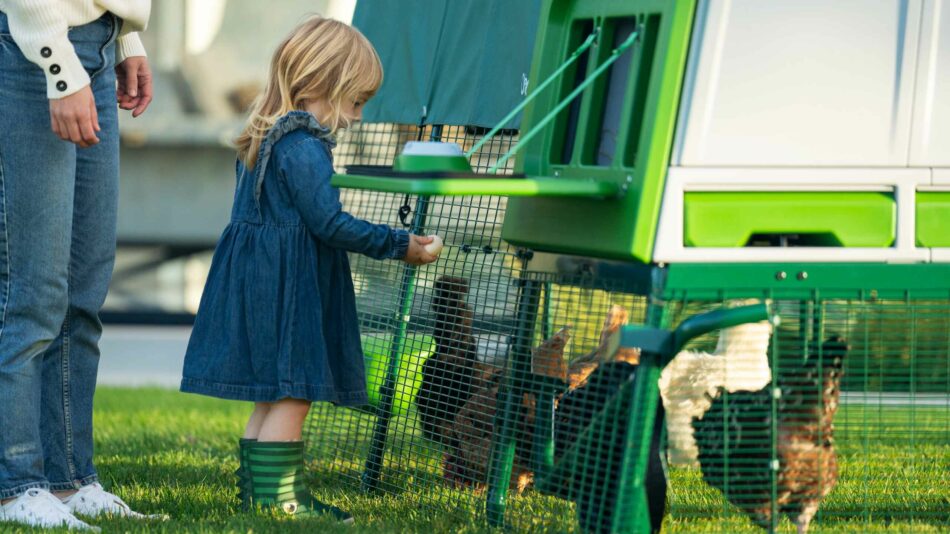
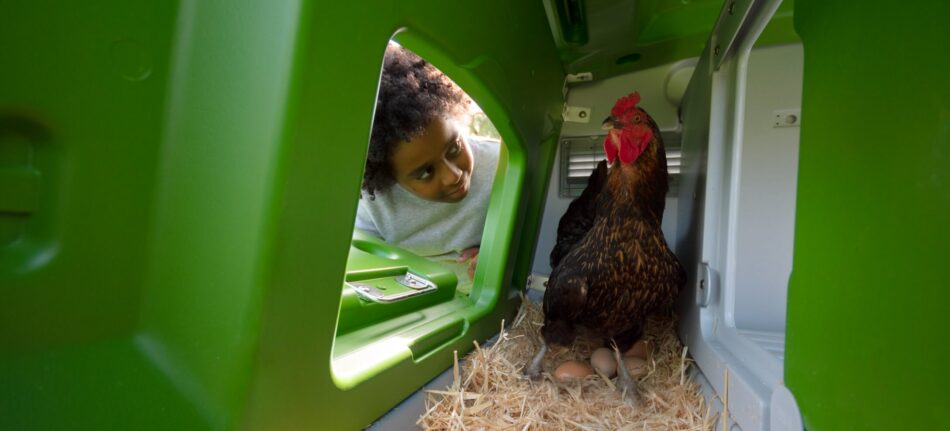
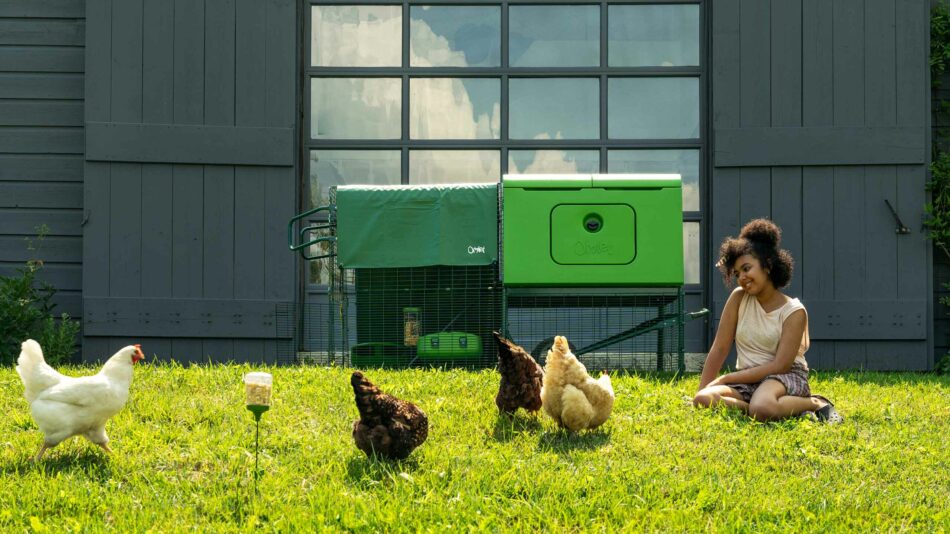
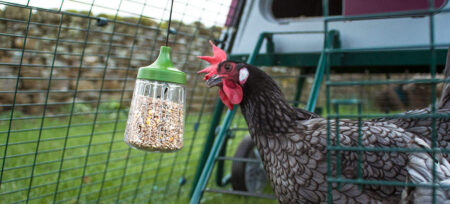 Ever heard the expression ‘cooped up’? It means being stuck indoors with nothing to do, resulting in frustration and boredom. We tend to lock hens in a chicken coop, and that’s where the saying comes from.