Most chicken keepers will fall into the eventually of “chicken math”. First, it was three, then four and now you’re thinking an eighth hen wouldn’t hurt…right? The idea of having flockmate best friends sounds great, but being the same species isn’t always enough for chickens to live in harmony. Certain chickens get along better than others, but which breeds make for besties?
Normal chicken behavior
All different breeds of chicken have been developed from the same ancestor, the Asian Jungle Fowl, and so fortunately, most chickens get along, regardless of the variety. However, there are some exceptions to this general rule.
Any new hen introduced to a flock will need to be separated from the other birds, but still be able to see them through a fence, for a week or so until all the birds get used to each other. Once introduced, they will find their natural place in the chicken pecking order, and that may involve a little bullying and squabbling in the early days. This is all very natural and has nothing to do with feuds between specific breeds.
Occasionally, one hen will fall out with another for no obvious reason, and the weaker chicken will sometimes be pecked and harassed by the more aggressive bird. If this situation continues for more than three days after introducing the new chicken, the two combatants may need to be separated.
What breeds of chickens are aggressive?
Some chicken varieties are more confident and assertive than others, but this does not make them aggressive. Aggression is usually the result of environment – poor living conditions – or visual stimulus. The chicken bullying only usually persists beyond the first few days if the new hen has unusual plumage on its head. The fancy crown of feathers on the Araucana, Houdan, Poland, Silkie and Sultan breeds, for example, is like a red rag to a bull for some hens.
The reasons for this aggression are purely instinctive. Chickens respond to the size of their fellow birds’ combs, and there is evidence that larger-combed chickens tend to dominate the pecking order and will challenge any large-combed newcomer to assert and retain her dominance. No one is entirely sure how the visual stimulus works with feather-crowned breeds. A chicken with feathers on its head is judged by the other hens to be one of two things – either a bird with a very large comb, and therefore a threat, or one with no comb at all, which makes it fair game for some bullying. Whichever way a hen looks at it, the feather-headed newcomer is a direct challenge to the dominant birds.
Birds with fancy head feathers are additionally vulnerable because the plumage flops in front of their eyes, impairing their vision, and so they may not spot an oncoming attack. This can result in pecks and injuries.
Other causes of chicken bullying
Other unusual feathering will occasionally inspire bullying amongst chickens, such as the feathered ‘trousers’ of the Faverolles. This is not generally a problem, though, and this breed should get along well with your other hens.
Sometimes, new chickens with no unusual feathers or peculiar combs may be picked on if they are a different breed from all the other hens in the flock. The bullying appears to take place simply because the new chicken looks different to the others. This is an unusual issue, though, and clearly, the problem disappears if your existing hens are a mixed breed flock.
Do chickens bond with each other?
In general, mixing breeds actually assists with the pecking order and the general bonding, as different varieties have different temperaments. There is more likely to be squabbling in a run that has chickens of a single breed – they may all be assertive and dominant, or they may all be shrinking violets, depending on the breed, but they still need to establish a pecking order.
The body size of the hen does not affect how it is treated. A dainty bantam can rub along fine with a hulking Sussex, and a cockerel will be respectful of all his hens, regardless of their breed, and in the vast majority of cases the birds will all get on well together.
There are other practical considerations when keeping a mixed flock. Some chickens thrive in cold weather, while others are not as robust. Age may be an issue too, if you want to minimize the number of changes in your chicken flock. This isn’t to say chickens of different ages can’t get along but older chickens are more likely to bully other flock members. If possible, wait until your younger birds are close in size before moving them in.
Whether you’ve got a flock of ten or two, Omlet has the products to support the needs of your chickens. Keep your hens mentally and physically stimulated to help them live in harmony with our range of chicken toys and accessories to add to your chicken coop and chicken run.
Only very tame pet hens enjoy being picked up. Most chickens find the whole procedure stressful, so you should only catch or handle them if you have to.
There are a few reasons why you might need to know how to catch a chicken. Your hens might be in danger, might require a clean-up after coming into contact with something oily or sticky, or you might need to carry out a chicken health check.
There are various ways to catch a chicken. If the hen is in danger as a result of escaping onto a road or into a backyard with a dog in it, you can usually manage things by ‘herding’ the chicken rather than trying to lift it. If a dog is the problem, controlling or confining the dog is the first thing to figure out. If the hen has escaped and you need to catch her, guiding her back to safety by standing with your arms stretched out to the sides and encouraging her to return to the chicken coop is the best option. In these situations, the chicken will desperately want to find her fellow hens, so ‘steer’ her towards the hole in the fence or the open gate, or whichever escape route she took.
If the hen has flapped over a wall, however, you may have to resort to old fashioned hunting techniques for catching chickens.
How Do You Catch a Stray Chicken?
If your hens are very tame, you can simply offer some treats, bend down and pick them up. If only it were that easy with every chicken! Some are about as easy to catch as a fast-moving bar of wet soap – they can sprint at speeds of around 9 miles (14.5 km) per hour – and you will usually have to corner them first if you want to catch them.
If a hen has escaped or you spot her running away, or simply hidden somewhere in a large backyard or meadow where you can find to trace of her, the best approach is to be patient and rely on the chicken’s homing instinct. As dusk begins to fall, the hen will instinctively head back to the coop. This is one of the handy things about keeping poultry!
The Best Way to Catch a Chicken
Do chickens like being picked up? In general, the answer is no. But if you’re trying to catch a chicken for whatever reason there are various ways of doing so. Not all of them can be recommended for the non-expert chicken keeper.
Using a pole with a hook or noose for catching a chicken. Let’s get the dangerous one out of the way first. A pole, hook or noose should only be used by experts when trying to catch a chicken. This is a dangerous tool, and in the wrong hands the poultry hook or noose can break a chicken’s leg or neck as you try to grab it, so our advice is to avoid it.
Using a net to catch chickens. Nets can be dangerous tools, as a chicken’s claws can snag in the netting, causing injury. If you opt for this method, the chickens should be netted as quickly as possible to minimize stress – although forever afterwards the sight of that net will send the poor hen into a panic! You should always use as large a net as possible for catching your chickens. A blanket may offer a safer way to catch them.
Using crate traps for catching chickens. Putting irresistible treats into a crate, and then slyly closing the door with a pole or long stick is an effective method. The main drawback is that all the other chickens will be tempted to take a look inside too!
Boxes for catching chickens. A large box can be placed over a cornered bird in the coop or chicken run, and the flaps can be tucked in to secure the chicken. This technique can be useful if you need to capture chickens in daylight (although it works at night, too) and if they tend to be aggressive.
Flashlights makes chickens easier to catch. This is the simplest and most effective method when you need to trap a roosting chicken. When chickens are with the rest of the flock in the coop or run on their roosting bars or perches or in their nesting boxes at night, they instinctively stay put. If you open the top of the coop and shine a flashlight (head-mounted ones are perfect), you’ll be able to pinpoint the hen you need to examine, and grab her up with minimal fuss.
Picking Up the Chicken
When picking up the hen, try to be firm but not rough. Getting a good grip and preventing the wings from flapping is the key. The correct method is to hold the chicken by placing your hand over its back, confining the wings, and then bring it close to your body. If the bird is very nervous, you may have to cover her with a towel to calm her down.
A tame hen is the easiest type of chicken to capture. Simply lure the hen in with a few treats, and grab her, stroking her back to reassure her. Once the cleaning or the examination is over, put the chicken on the ground and step back. She will do the rest, scuttling back to the safety of the flock.
So, there are several ways to catch a chicken, but you should only put them into practice when you definitely need to catch one. Try to avoid the poultry hook or net if you can, and use the method that suits both the chicken and the circumstances.
Moving house is stressful for everyone involved – and that includes pets and chickens. As far as your hens are concerned, the secret to a successful relocation is to have everything ready at the other end. In the same way as you might unpack a kettle and two mugs before opening any of the big boxes, the chicken shed and run should be ready in the backyard before the first kettle boils!
Hens are prone to stress, and at the very least you can expect the egg count to plummet for a few days following a move. Weak or very nervous chickens are in particular danger, as panic can make them flap blindly and break legs, or even kill themselves. Minimizing stress is therefore the key to a successful move.
The most stress-free way to get your hens ready for the move is to collect and crate/box them from the coop, rather than later in the day when they are out and about and need chasing and cornering. That is not a good way to minimize stress!
Transporting Chickens
Your hen-carriers need to be covered, well-ventilated boxes or pet crates. They should have enough space for the birds to turn around in (to prevent them from panicking at the confined space), while being dark enough to make their instincts kick in and help them snuggle down for the duration of the trip. On longer journeys, however, you will need to have enough light in the boxes to enable the hens to feed, and pet crates will make this easier.
You’ll need one box per chicken, generally, so make sure you have enough boxes for the big day. Hens with similar, placid temperaments can be transported in a single box. Each box or crate should be lined with straw to soak up the droppings, and the boxes should be stacked securely, not more than three boxes high.
It is important that the birds do not get too hot on the journey, so ventilation is an issue. If you only have two or three hens, they could travel on the back seat of a well-ventilated car, secured with quilts or blankets – or even seat belts – to prevent the boxes from sliding around.
The journey itself should be taken using as many straight, non-bumpy roads as possible, combined with the need to make the trip as brief as you can. If your new home is a short stretch of highway and a couple of roads away, that’s all very straightforward. Rural locations with lots of windy-road options will need more planning. If all the roads are roads with lots of bends, the quickest route is the best option.
In the two weeks before the move, make sure your hens’ diet is rich in all the required vitamins and minerals. Some owners recommend adding probiotics or extra vitamins to the feed, and this is something you should discuss with your vet.
For short journeys, you will not have to worry about chicken feed. On longer trips, though, food will need to be provided. Make sure you take a long break at least every three hours, to allow the confined birds to settle down and feed. If you are transporting the hens in crates, you can attach a water dispenser to the side.
A Portable Chicken Coop?
Old fashioned chicken coops can be tricky to transport, and many hen keepers prefer to erect a new run and chicken shed at their new property. This sometimes involves housing the birds in temporary accommodation while the new coop and run are being sorted out.
There are ways of avoiding the inconvenience, though. A portable coop and run can be packed away and then installed in the new backyard in a few minutes, and they have the advantage of familiarity. Hens introduced into a coop that they already know inside out will reduce the stress of the move enormously.
Coops and runs such as the Eglu are ideal in this respect. Placing the coop in your new backyard as soon as you arrive will enable the chickens to feel at home before you’ve even managed to open any of your boxes. Humans will inevitably feel the stress of the moving-in process, but the hens don’t have to!
The process isn’t quite over when your hens are safely cooped up in the new backyard. Stress can cause any underlying diseases to bloom, so you need to carry out daily health checks on your birds as the flock settles down in its new surroundings. This is yet another reason to consider a pack-and-go portable coop and run.
As with all pets, chickens rely on their owners for their safety and wellbeing. But as humans, vacations, spontaneous trips, and other time away from home are inevitable. So how will your chickens manage while you’re away?
Chickens are fairly self-sufficient, and do well when left alone. They don’t have separation anxiety from their owners like some pets experience, and can entertain themselves as long as they have their flock for company. Chickens will also regulate their feed intake and not overeat if free-choice food is left out for them. Still, they are prey animals, and certain considerations need to be taken into account before you take an extended leave of absence – particularly if no one will be staying with them while you’re away.
How long can I leave my chickens alone for?
Every chicken keeper does things a little differently from another, so the amount of time you can spend away from your flock is largely dependent on how you have them setup. Do they free-range, or are they always in a coop and run? Do you have an automatic door to tuck them in at night? Do you leave feed out, or feed them a portion daily?
When you prepare your chickens for your absence, you’ll need to make sure they have access to plenty of food and water. You’ll also need to make sure that they stick to their regular schedule as closely as possible. If they’re accustomed to free-ranging during the day and being closed in at night, you’ll need to have a safe, contained space large enough to simulate free-ranging.
An Eglu Cube chicken coop connected to a walk in chicken run is a great option for chickens that are accustomed to free-ranging, or for flocks that crave space during their time out of the coop. The run can be extended to however large you’d like to make it, so space is never an issue. And with the anti-dig skirting, predators will be deterred from coop-crashing while you’re away!
Give the setup and routine that you plan to have while you’re away a trial run before you leave to make sure everything goes smoothly. If any changes need to be made before you leave, you’ll want to give your flock ample time to adjust. Chickens will adapt quickly, so if your trial run was a success, your chickens should be just fine if you’re gone over the weekend.
Should I get a chicken sitter?
Leaving chickens alone for a day or two is commonplace for most flock-raisers, but if you are gone longer than that, it’s a good idea to have someone come and check on your chickens while you’re away. Depending on the time of the year, chickens can go through their feed and water quickly, and one misplaced step or a visit from some neighborly mice can empty a food or water container in a hurry!
Consider asking a neighbor or a family friend that enjoys chickens to stop by and check in with your hens. A quick glance is often all it takes to ensure your flock is thriving while you’re away. You can always offer for them to take whatever eggs your hens have laid while you’re away as repayment and token of your (and your hens’) thanks!
If you have an automatic chicken coop door, be sure to let your chicken sitter know what time it opens and closes, or ask if they have a preferred time to go and check on your flock. Make sure to reprogram your automatic chicken coop door (if open or close times need to be adjusted) well in advance to get your hens accustomed to a different bedtime if necessary!
What do my chickens need while I’m away?
Food and water
Make sure to fill all of your chickens’ feeders and waterers before you leave. If possible, anchor any free-standing feeders or waterers to the sides of the run or coop to prevent them from being knocked over. Keep waterers sheltered from blowing debris to prevent them from getting clogged.
Prep for different weather
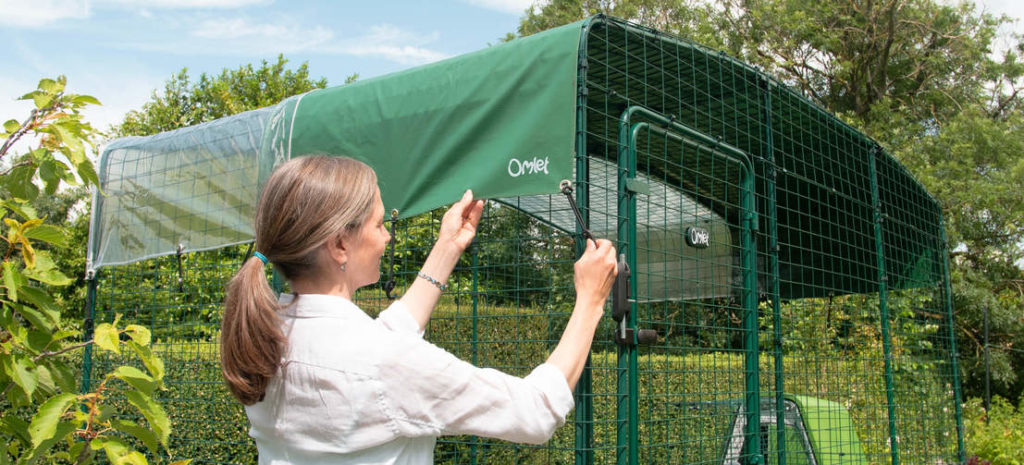
Consider the time of year you are leaving and plan accordingly. Always prepare for precipitation – even if there isn’t any in the weather forecast! Make sure your chicken run cover is on to provide shade and protection from rain.
Entertainment
If your flock is used to daily visits and treats from you, they will likely miss it while you’re away! To head off any treat-pining or fear of missing out on playdates, offer some fun alternatives such as a Chicken Swing or a variety of chicken toys to keep them occupied. To really stay in their good graces, set out some treats in a chicken peck toy or Caddi Treat Holder. Your flock might not even notice you’re gone!
Good to go
With proper preparation and planning, traveling can still be part of your lifestyle when you have chickens. The easiest way to maintain a flexible schedule with chickens is to create a setup that allows for flexibility from the beginning.
It’s always easiest to start off with the ideal setup for your flock so that your future travel plans don’t interfere with their routine. Large chicken coops with walk in runs, automatic chicken coop doors, and weather protection are all components of raising happy and safe chickens – whether you’re home or not!
As November and December start to roll in, the cold weather will come with it. You may have already purchased the Omlet Eglu Cube or Go-UP to keep your chickens cozy during these cold nights. However, who said you do not want to spoil your chickens even more over the holiday season?! It is the season of giving after all! Below is some information on feeding your chickens in colder months and some “egg-cellent” treats that you can surprise your hens with on a cold, blustery day that they will absolutely love!
1. How often should I feed my chickens during Winter?
During the colder months it is normal that other animals hibernate and usually stock up on food for the Winter. With your chickens it may be helpful to feed them a little more than their usual ration, especially if you are planning to have your chickens continue to lay eggs throughout the colder season. A good rule of thumb is if you feed them 1 time a day, give them half of an extra ration in the Winter.
2. What is the Most Comforting Treat?
If you have already bought some pumpkins to paint or to decorate your doorstep with in the Fall Season and are wondering what to do with them here is a solution, Pumpkin Puree! This is a great treat for your hens that you can easily whip up in minutes.
All you have to do is scoop out the seeds and cut the pumpkin into small enough pieces that they can be put in a food processor or a blender. Then, just blend it up until it is a nice, smooth consistency for your chickens. After you have pureed the pumpkin, take it straight out to your chickens and add some chicken feed and they will go crazy!
Another option is also to warm up the Pumpkin Puree for a warm treat on a colder day! Make sure that the puree has cooled down to a comfortable temperature before you feed it to your hens.
3. What are the easiest treats to prepare?
Sometimes simpler is better and these treats will definitely keep your hens happy and maybe give you a little laugh in the process.
One easy treat to give your hens is leftover pasta! Who knew that chickens like to load up on carbs in the Winter as well! If you have some leftover spaghetti or penne toss it into the chicken pen and you will get a good laugh watching the chicken have noodles hanging from their beaks.
Another easy treat is warm oatmeal! Just add hot water and stir. You can also add some chicken feed or any nuts and seeds that your chickens prefer. You will be amused watching your chickens try to slurp up the warm oatmeal. Again, make sure the oatmeal is at a comfortable temperature to serve to your hens.
4. What Winter Foods Are Healthy for my Flock?
For those of you that like to keep your flock in tip top shape here are some ideas for healthy treats. One food that helps with egg production and is very nutritious is scrambled eggs! I know it sounds crazy, but it provides your chicken with needed protein and vitamins during the Winter months.
Also, egg shells believe it or not will provide your chickens with extra calcium and nutrients that they will need even more during the colder months. After you have used one of your chicken’s eggs just break up the shells into small pieces and feed it to them. They will love it!
5. Conclusions
All of these recipes can be found from this great website: https://morningchores.com/chicken-treats/. Go check out her page for more ideas on treats for your chickens and help your chickens stay warm and cozy this season!
Backyard chickens thrive when they have a balanced diet, space to forage, and the right mix of nutrients. For healthy hens and reliable egg production, you need to provide the correct amount of feed, ensure they can hunt for wild treats like worms and beetles, and supply essential nutrients such as protein for eggs and calcium for strong shells. Understanding exactly how much to feed your chickens each day is key to providing good backyard chicken care.
How much feed per chicken per day?
On average, a standard-sized chicken such as a Rhode Island Red, Oxford Brown, or Orpington needs about 4.2 ounces (120 grams) of feed per day, which adds up to around 1.8 ounces (840 grams) per week. Bantam breeds, being smaller, require less, while larger breeds may need a bit more. The most important thing is to ensure feed is available throughout the day so your chickens can eat little and often.
Feed Amounts by Chicken Size
Feed should be readily available all day as chickens naturally eat small amounts frequently, filling their crop as needed. If you restrict access, you may see a drop in egg production or changes in behavior.
What Nutrients Do Laying Hens Need for Healthy Eggs?
Protein: Vital for egg production and feather health. Laying hens need at least 16% protein in their feed.
Calcium: Essential for strong eggshells. Oyster shell or a layer feed with added calcium is recommended.
Carbohydrates, vitamins, and minerals: Support energy, growth, and overall health.
Allowing chickens to forage supplements their diet with insects, seeds, and green plants, providing natural sources of nutrients and enrichment. However, foraging alone rarely provides all the nutrients your flock needs, especially during times when natural food sources are scarce. Commercial layer feed is carefully formulated to deliver a balanced diet, ensuring your chickens get the right levels of protein, calcium, and other essential nutrients every day. By prioritizing a high-quality feed and offering foraging opportunities, you help support robust health and steady egg production in your flock.
Feeding chickens in winter
During winter, hens need more energy to stay warm and active. Foraging becomes difficult as insects and plants are scarce, so your chickens will rely more on pellets and grains. It’s recommended to increase their feed by up to 50% in cold weather, which means up to 6.4 ounces (180 grams) per chicken per day.
Chickens eat more when molting, as they need extra protein to grow new feathers, so be sure to refill your feeder more frequently during this period.
Chicken Water in Winter
Providing fresh, unfrozen water is just as important as increasing feed during winter, as hydration helps chickens digest their food and maintain body temperature. An insulated chicken waterer keeps water fluid and at your chickens’ optimal drinking temperature for longer when it’s cold outside.
Winter Feeding Tips
Increase daily feed by up to 50% (180g per chicken)
To ensure your chickens are eating enough, use a chicken feeder with a window or clear panel so you can see feed levels at a glance. If you’re concerned about a particular hen, watch for signs such as lethargy, weight loss, dull feathers, or a drop in egg production.
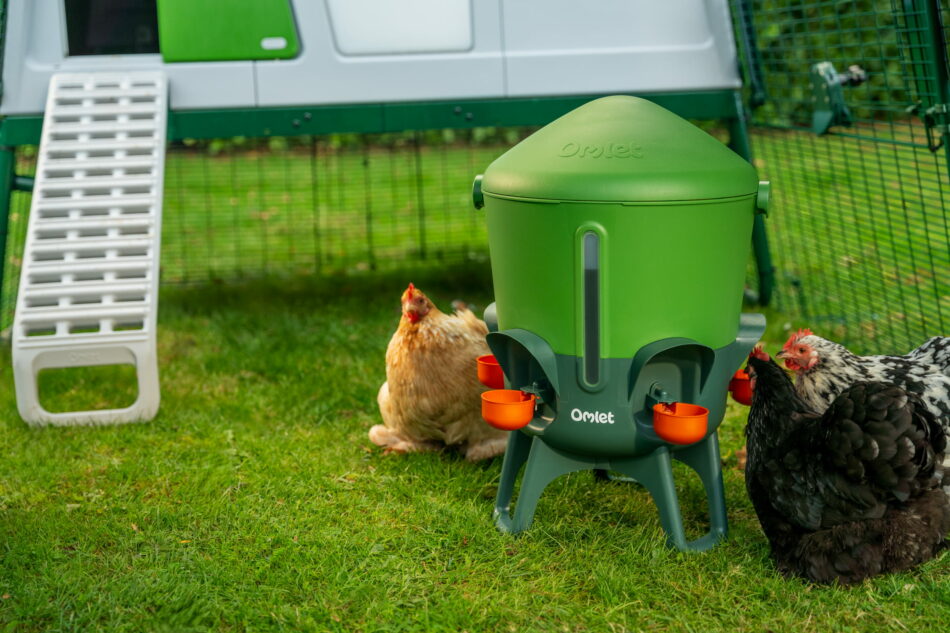
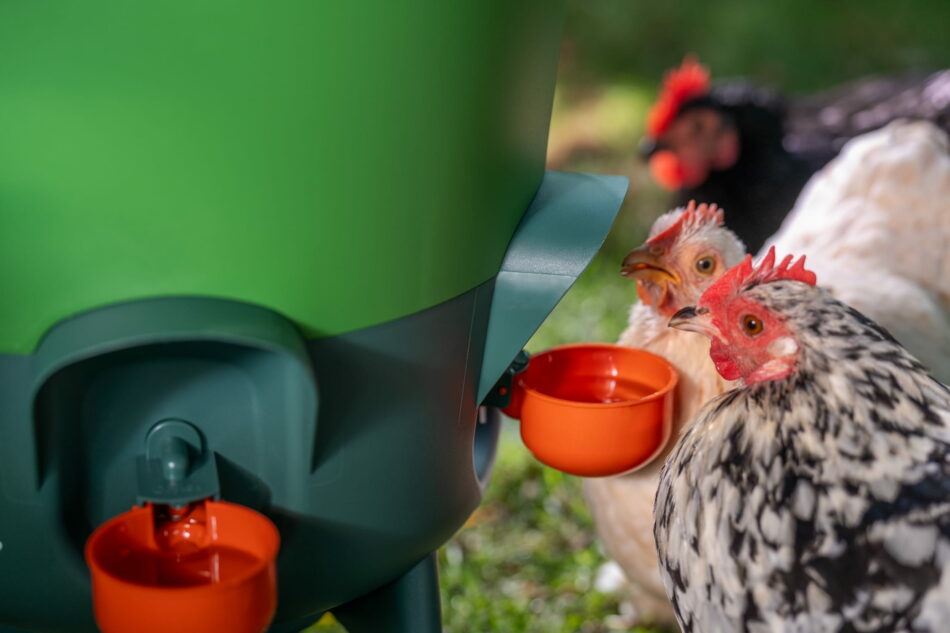
Sometimes, bullying can prevent a chicken from accessing food, if you notice one hen being pushed away, consider adding another feeder to reduce competition. The Omlet No Waste Feeder has five separate ports, allowing multiple hens to eat at once which minimizes bullying.
It’s also helpful to observe your flock during feeding times to ensure every chicken gets a fair chance at the feeder. If you see any chickens lingering at the edge of the group or hesitating to approach the feeder, this could be a sign of social stress or illness. Regularly checking your chickens’ body and monitoring their behavior will help you catch any issues early and keep your flock healthy.
Signs a Chicken Isn’t Eating Enough
Lethargy or lack of energy
Noticeable weight loss
Dull or ruffled feathers
Fewer or smaller eggs
If you spot these signs, monitor the hen closely for a few days and ensure she has easy access to food.
Do chickens know when to stop eating?
Chickens are naturally good at regulating their intake. They rarely overeat and will stop once their crop is full. Free-choice feeders are safe to use, as hens prefer to eat little and often throughout the day.
However, chickens will often choose treats over their main feed if given the chance. It’s important to make sure their primary feed is always available and treats are given in moderation. Peck toys or treat caddis can help regulate treat intake and provide enrichment.
If a chicken stops eating entirely, check for signs of illness and consult a vet if needed.
Key Takeaways
Feed each standard chicken about 4.2 ounces (120 grams) per day
Increase feed by up to 50% in winter or during molting
Use a feeder with a window to monitor feed levels and watch for signs of undereating
Chickens self-regulate their intake and rarely overeat
Provide treats in moderation and use enrichment tools to keep chickens active
At Omlet, we offer feeders designed to make backyard chicken keeping simple and efficient. Our feeders minimize waste, so you know your chickens are eating every pellet. With smart features like app-controlled feed level alerts and clear panels for easy monitoring, you can keep your flock healthy and happy with less effort. We also design chicken treat dispensers to help you provide enrichment, supporting your chickens’ wellbeing year-round.
Yes, chickens are great pets for families. They’re low-maintenance, social, and endlessly entertaining, and they come with the bonus of fresh eggs every morning. Compared to dogs or cats, the daily care commitment is more manageable, and children of almost any age can get meaningfully involved.
More and more families are discovering this for themselves. Whether you have a large or a compact backyard, a small flock of hens fits into family life more easily than most people expect. But before you bring home your first chickens, it’s worth understanding what’s involved, from choosing the right breeds and setting up a safe coop, to knowing what your kids can realistically help with and how to keep everything hygienic.
This blog post covers everything parents need to know before getting started.
Why Chickens Are Great Pets for Families
Chickens tend to surprise new owners. People expect them to be purely functional backyard animals, and then find themselves charmed by a hen that trots over when she hears your voice, or a flock that settles into a reliable daily rhythm your whole family can participate in.
Here’s what makes them such a good fit for family life:
No walks, no grooming. Unlike dogs, chickens don’t need to be walked or brushed. Their daily care takes around 10 to 15 minutes in the morning and evening, which is manageable even on busy school days.
They’re social and recognise familiar faces. Chickens form bonds with the people who care for them. Many hens will come when called and enjoy being gently handled, especially when raised with regular human contact from a young age.
Fresh eggs keep kids engaged. The daily egg collection is one of the most reliable ways to keep children invested in the flock. It’s a tangible, exciting reward that never really gets old.
They fit in most backyards. A small flock of three or four hens doesn’t require a large amount of space. As long as the coop and run are appropriately sized, chickens can thrive in suburban and even urban backyards.
Simple chores that kids can genuinely help with. Filling feeders, refreshing water, collecting eggs, and checking on the flock are all tasks children can take ownership of, which brings us to the benefits for them specifically.
The Benefits of Keeping Chickens for Children
Chickens offer something that most family pets don’t: a built-in daily routine with real consequences. If the hens aren’t fed and watered, they go without. That reality, handled gently and with parental guidance, teaches children a level of responsibility that’s hard to replicate elsewhere.
The benefits go well beyond responsibility, though:
Daily responsibility. Feeding, watering, and checking on the flock every day, rain or shine, builds consistency and follow-through in children in a way that feels natural and rewarding, rather than forced.
Understanding where food comes from. Collecting eggs from a hen your child has named and cared for is one of the most direct, hands-on connections to food production available to a family outside of farming.
Routine and consistency. Chickens need the same care every day. That predictability is genuinely good for children, providing structure that carries over into other areas of life.
Empathy and patience. Learning to read an animal’s behavior, to approach calmly, to notice when something seems off, develops emotional intelligence that benefits children long after they’ve grown up.
More time outdoors, less time on screens. A flock in the backyard gives children a reason to go outside every day, not just when the sun is shining.
How Many Chickens Should a Family Get?
For a family new to chicken keeping, three to four hens is the ideal starting point. That’s enough to produce a good supply of eggs without the care feeling overwhelming, and without needing a vast amount of outdoor space.
Chickens are flock animals and get lonely on their own, so keeping at least two is always advised. Beyond that, the right number comes down to your family’s capacity and your available space.
A few things to consider:
More hens means more eggs, but also more feed, more cleaning, and more daily tasks. Consider what your family can realistically manage.
Think about space before you commit to a number. Each hen needs adequate room in both the coop and the run to prevent stress.
Start with a manageable flock, but plan ahead. Most chicken keepers find their flock grows over time, a phenomenon known as chicken math, so it’s worth choosing a coop you can grow into rather than one you’ll quickly outgrow.
For families just starting out, the Eglu Go and Eglu Go Up are brilliant starter coops for up to four hens. If you’d like to build a larger flock over time, the Eglu Cube (for 6 large hens) and Eglu Pro (for 10 large hens) give you the space to start with a few, with knowledge that you can add a few more later.
Do You Need a Rooster?
No. Hens lay eggs without a rooster in the flock. You only need one if you want fertilised eggs for hatching.
For most families, a rooster is more trouble than it’s worth. They can be noisy, territorial, and occasionally aggressive, which isn’t a great combination when you have young children in the mix. Sticking to an all-hen flock keeps things calmer, quieter, and considerably more neighbor-friendly.
Choosing the Right Coop
The coop is the foundation of a happy, healthy flock, and for families, the right setup makes daily care feel easy rather than burdensome. There are a few things to prioritise:
Security
A predator-proof coop is non-negotiable, particularly in areas with known predators like foxes and raccoons. Omlet’s Eglu coops are built with strong heavy-duty steel mesh and anti-tunnel skirts that will keep your flock safe from unwanted visitors.
Easy access for children
Children are much more likely to stay engaged if they can actually reach the eggs. The Eglu Cube and Eglu Pro chicken coops from Omlet feature a side Egg-port that makes egg collecting simple and accessible, even for younger kids.
An automatic door
When choosing a coop, make sure it’s compatible with a smart automatic coop door. In summer especially, hens need letting out early, and that can mean a 5am start if you’re doing it manually. With an autodoor set to open on a schedule, you don’t have to go out at sunrise or rework the kids’ morning routine around the flock. It closes automatically at night too, so locking up is one less thing to think about.
Enough space
Overcrowded coops lead to stressed, unhappy chickens. Omlet’s runs are modular, so you can extend them as your flock grows. The walk-in chicken run is particularly well suited to families. It’s large enough for adults and children to step inside and spend time with the hens, which makes bonding with the flock a genuinely enjoyable part of the day.
Easy cleaning
A coop that’s difficult to clean won’t get cleaned as often as it should. Omlet’s Eglu coops have smooth pull-out roosting racks and droppings trays that can be wiped, scrubbed, and hosed off quickly, and children of most ages can get involved.
What Are the Friendliest Chicken Breeds for Families?
Breed makes a real difference when you have children involved. Some chickens are naturally calm and enjoy human contact; others are flighty and easily spooked. For families, especially those with younger children, starting with a docile breed sets everyone up for a much better experience.
Best breeds for families
Silkies. Fluffy, calm, and most love being handled. Their gentle nature makes them ideal for young children who want to get up close with the flock.
Buff Orpingtons. Large, gentle, and rarely peck. They’re one of the best first chickens you can get, and their laid-back temperament holds up well around busy, noisy households.
Plymouth Rocks. Curious and easy to tame, they’re a solid all-rounder for families who want a hen that’s friendly without being overly demanding.
Easter Eggers. A gentle temperament combined with the novelty of colorful eggs makes these a firm favorite with kids of all ages.
Bantams. These are smaller versions of regular chicken breeds, (e.g. Pekin Bantam) which makes them far less intimidating for toddlers and younger children who might be nervous around full-sized hens.
Breeds to avoid with small kids
Leghorns and Rhode Island Reds can be feisty and flighty, which can easily overwhelm young children. They’re not bad chickens, but they’re not the most forgiving choice for a first flock with kids in the mix.
Are Chickens Safe Around Kids? Hygiene and Health
Chickens are safe around children when a few simple hygiene habits are in place. The precautions are straightforward, and most children adapt to them quickly once they become part of the daily routine.
Key hygiene rules for families:
Always wash hands thoroughly with soap and water after handling chickens or collecting eggs.
Supervise toddlers and children under five closely when out with the chickens. They’re more likely to touch their faces without thinking.
Keep the coop clean. A well-maintained setup dramatically reduces the buildup of bacteria over time, and an easy clean coop like an Omlet Eglu is key.
Don’t allow children to kiss chickens or bring them indoors.
None of these rules are difficult to follow and will easily become a habit for children.
Chickens vs Other Family Pets: How Do They Compare?
If you’re weighing chickens against other pets, here’s how they stack up across the factors that matter most to families.
Cost. Chickens are significantly cheaper to keep than dogs. There are no grooming costs and no vet bills for routine care, which makes them a far more affordable long-term commitment for most families.
Time. No daily walks needed. Around 10 to 15 minutes of care in the morning and evening is enough to keep a small flock happy and healthy.
Space. A small backyard is sufficient for a small flock, making chickens a realistic option for suburban families who couldn’t accommodate a larger pet.
Noise. Hens are considerably quieter than dogs. They cluck and chatter, but they won’t disturb the neighbors the way a barking dog might.
Lifespan. Chickens can live five to ten years as pets, which is a meaningful commitment, but shorter than a dog or cat. It’s worth having an open conversation with your children about this before you get started.
Allergens. For families where children are allergic to cats or dogs, chickens are a brilliant alternative. They’re a low-allergen option that still gives children all the benefits of caring for a pet.
Eggs. A bonus no other pet can offer.
What Can Kids Do? An Age-by-Age Guide
One of the best things about keeping chickens as a family is that there’s a role for every age. As children grow, so does their capacity to take on more responsibility, and the flock grows with them.
Ages 3-5
Supervised egg collecting, watching feeding, and gentle supervised petting. At this age it’s about building familiarity and excitement around the flock, with a grown-up close by.
Ages 6-9
Filling feeders and waterers independently, naming hens, and starting to form real bonds with individual birds. This is where daily ownership starts to take shape.
Ages 10-12
Cleaning the coop with guidance, carrying out basic health checks, and keeping a chicken diary to track egg counts and flock behavior. A brilliant age to take on genuine responsibility.
Teens
Full flock management: monitoring health, managing feed, and confidently introducing new hens to the flock. By this point, most teenagers can run the whole operation with minimal input from parents.
Starting young keeps children connected to the flock from the beginning, and gradually increasing responsibility as they get older builds real confidence. By the time a child reaches their teens, they’re capable of managing the flock almost entirely on their own.
The Mental Health and Educational Benefits
The benefits of keeping chickens extend well beyond the practical. Research consistently shows that regular interaction with animals reduces anxiety and stress in children.
A few of the less obvious benefits worth knowing about:
Real-world biology. Children learn about life cycles, egg development, and animal behavior in a way that the classroom can’t replicate. It’s hands-on, observable, and genuinely fascinating.
Sustainability and food literacy. Understanding where food comes from, and having a direct role in producing it, builds an awareness of sustainability that sticks with children into adulthood.
Confidence building. For children who are shy or find social situations difficult, the quiet, non-judgmental company of a flock can be genuinely therapeutic. There’s no pressure, no performance, just a calm daily connection.
Consistent routine. The predictability of chicken keeping, same tasks, same times, every day, provides a structure that benefits children with anxiety or those who thrive on routine.
The evidence backs this up. Studies on animal-assisted activities have found meaningful reductions in cortisol levels and anxiety symptoms in children who spend regular time with animals. Chickens may not be the first animal that comes to mind, but the daily, low-pressure nature of the interaction makes them particularly effective.
Key Takeaways
Chickens are low-maintenance, affordable, and more rewarding than most people expect, with fresh eggs as a daily bonus.
The friendliest breeds for families are Silkies, Buff Orpingtons, Plymouth Rocks and Easter Eggers.
Hygiene is simple to manage: handwashing after handling and a clean coop keeps the risk low.
You don’t need a rooster. Hens lay eggs without one.
Children of all ages can get involved, from supervised egg collecting as a toddler to full flock responsibility in their teens.
With the right setup, chickens can be one of the most rewarding pets a family can keep.
Ready to Get Started?
Omlet’s range of coops is designed with families in mind. Eglu coops are predator-proof and built to last, with daily cleaning made quick and easy so the whole family can get involved without it feeling like a chore. The walk-in run gives your flock plenty of space to roam, with the added bonus that the whole family can step inside and spend time with the hens up close. And the Autodoor takes the pressure off busy mornings and evenings, opening and closing on a schedule so you never have to worry about forgetting.
Everything at Omlet is designed to make chicken keeping enjoyable, not a chore. If you’re ready to take the next step, explore our full range of chicken keeping supplies and find the setup that’s right for your family.
Most people would agree that the yolk is the best part of the egg. A double-yolker in the breakfast pan is therefore a very welcome sight!
Some hens lay double-yolkers every time, a genetic quirk that simply means two yolks are released into the system instead of one. However, hens that manage this impressive feat are rare, and no single breed has been developed to pull off the double-yolk trick every time.
The one-egg-with-two-yolks breakfast can still be yours every day, though, if you are willing to pay extra for it. You may have spotted double-yolk ‘super eggs’ on the shelves of certain supermarkets – sold at a premium, of course – but these are nearly all from young birds, rather than the mythical Double Yolker breed. It is worth pointing this out, as a Google search will lead to some interesting information about such a breed. But it does not exist – yet!
Most double-yolk eggs encountered by chicken keepers come from young hens. Point-of-lay birds tend to produce a very small egg or two, and then a couple of double-yolkers, before their bodies settle down into a regular four or five eggs-per-week pattern. A double-yolk egg after this early laying stage is very rare in most birds, although some hens begin to produce double-yolkers again towards the end of their egg-laying lives. Circumstantial evidence suggests that the Rhode Island Red, Oxford Brown, Sussex, and Leghorn breeds have a higher chance of producing double-yolkers.
How Are Double Yolks Formed?
Hens’ bodies release a yolk approximately two hours after the previous egg has been laid. Once in the hen’s oviduct – the part of the bird’s body in which the eggs are formed – the yolk is surrounded by the white albumen part of the egg and then covered in hard calcium. If a hen has released two yolks side-by-side, the egg-forming process treats them in the same way as a single yolk, resulting in two yolks ‘trapped’ inside a single egg shell.
If double-yolked eggs are fertilized, the result is two chicken embryos in one shell. Most of these ‘twin’ eggs fail to develop properly, though, with only one chick growing beyond the early development stage, or with neither of them developing. This makes it rare for two chicks to emerge from one egg. Chicken breeders are advised to put aside the double-yolkers to prevent them developing, and in commercial operations most double-yolkers are sold to food companies that use eggs in their products.
How Can You Tell If An Egg Has Two Yolks?
You do not need to crack the shell to find out what is inside – you can spot a double-yolker by ‘candling’ the egg. The word candling comes from the ancient practice of holding an egg in front of a candle flame, but a small flashlight does the job just as well (although they are still ‘candled!’) If there are two yolks inside, they will be visible as two dark blobs against the bright light as it shines through the shell.
So, although double-yolkers are estimated to occur in just one per thousand eggs, the sheer abundance of point-of-lay hens means that they are a common sight on the plates of chicken keepers around the world.
Triple yolkers, however, are very unlikely to grace the breakfast table. This super-rarity is found in just one egg per 25 million!
The very short answer to that question is probably no. If you give your chickens a good quality feed and some corn, and let them peck around the backyard for insects and small stones they use to grind down their food they should technically be getting everything they need.
Any supplement should be given to your chickens as a complement to a healthy and balanced diet, and not instead of giving them good feed or sufficient space to live out natural chicken behaviors. However, just like you might boost your own system with some extra vitamins and minerals, there are some things that you can give your hens that will help them stay healthier and give them more energy.
Particularly useful at more challenging times, like around a molt or during a particularly tough cold snap, we have listed all the supplements you might want to have in your cupboard:
Grit
Chickens do not have teeth, but use small rocks and stones to grind their food down. Most free range chickens gather grit naturally while exploring the backyard, but if you for some reason have to contain your chickens to a smaller area than normal, or if their run is covered in snow, you might need to add grit to their diet.
Make sure to choose something that is chicken specific and will have the right composition and size of components.
Vinegar
Vinegar, normally Apple Cider Vinegar, is a great booster all year around. It aids digestion, keeps internal parasites at bay, and is mildly antiseptic. In the Winter it is also fantastic to use preventatively to keep respiratory infections away from your flock.
Choose an organic or unpasteurized vinegar that contains a substance called ‘the mother’. It is a gel-like substance that grows naturally on the vinegar, and it is the mother that contains the most powerful enzymes and minerals that make the vinegar so beneficial.
Vinegar can be added to the chickens’ drinking water, approximately 10ml per liter of water.
Garlic
As well as keeping vampires away, garlic has been used for its beneficial properties for centuries, and it is a great addition to your chickens’ diet.
You can crush up a fresh clove or use garlic powder to add to the feed. It is great for circulation, and can help with respiratory infections. It’s also said to help ensure a good appetite, so it is ideal to give it to newly rescued hens that need a nutrient boost.
Herbs
Plenty of herbs and spices are said to have medicinal properties that will help your hens keep their immune system in top condition. Verm-X is a 100% natural supplement that helps maintain intestinal hygiene and keeps the hen’s gut and digestive system in great condition, which can help keep parasites and infections away.
Oregano, cinnamon, parsley, turmeric, and ginger are other chicken favorites that will increase vitamin levels and aid the immune system, and when it is grind down it can be mixed into your chickens feed.
Calcium
Chickens use lots of calcium to build egg shells, so laying chickens can sometimes need a little more than they get from their pellets.
Equimins Egg Shell Improver is a great example of a supplement that contains high levels of calcium and phosphorus and will strengthen the quality of your chickens’ eggs. Ideal for ex battery hens or hens going through a molt.
Poultry Spice
This is a long term favorite with chicken keepers, a mineral supplement that will be beneficial to your chickens’ general health. It’s perfect for molting, or to help maintain good appetite in the Winter.
1. You have created a social media page for your Hens
Let’s face it, when you invest in a chicken coop and purchase your first flock you have to share it with friends and family. Whether it is documenting first eggs laid in the coop to your gourmet recipes with your farm-fresh eggs you are posting it on Instagram, Facebook, or Twitter.
2. You find eggs throughout the house
As you start becoming more comfortable with your chickens maybe you decide to let them in your home. They never bother anybody and get along great with your pets but occasionally you find a fresh egg in your fruit bowl or on top of your favorite armchair. Hey, at least you know they are comfortable!
3. A “staycation” is your idea of a holiday
When you invest in your first brood you feel like you are a second parent to theseanimals. You wash them, feed them, and make sure they are comfortable. Add that in with taking care of your own kids and the idea of going on vacation is the last thing on your mind. You would much rather set up a zoom background of the beach or the tropics, order in a favorite meal, and put your feet up. Ahhh!
4. You find yourself chatting with your chickens
Sometimes we just need a good therapy session with an attentive listener and who better than your chickens. They will never talk back to you or judge you for your decisions. They may give the occasional nudge or peck for a pet but hey it is cheaper than therapy.
5. You have pet names for your hens
After the first couple weeks of tending to your chickens you start noticing some have different personalities. Some are on the shy side, some are very particular about their feeding time, and some just want all of the cuddles in the world. What a perfect time to give them a name! Whether it is Rudy, Cleo, or Fluffy we don’t judge here because they are your pets.
6. The home is filled with fashionable fowl decor
Whether it is chicken cocktail napkins or a hen-tastic serving platter you or your friends have made sure that you have all of the latest in chicken-related home furnishings.
7. You have a carrier bag to transport your chickens
Maybe you need to take them to the vet like any of your other pets. Who says that they shouldn’t be comfortable. That is why you have the top of the line carrier bag to transport your chickens whenever they are unwell.
8. Dressing up your brood for special occasions
When you have Spring chickens or Fall Fowls they must be dressed for the season. When Halloween comes around you wouldn’t put it past yourself to dress up your chickens in a matching outfit with your other pets.
9. Instead of walking the dog you find yourself walking the Flock
Yes, there are harnesses for chickens because you have already researched it on Amazon. Maybe you have limited land and your chickens need to stretch their legs each day so you take them to the local park to graze and get some fresh air. Totally normal, right?!
10. You find yourself building a chicken picnic table for feeding time
We have all seen the trend of building mini picnic tables for our squirrel friends in our backyard. If you haven’t just Google it and you will be entertained by these structures. Well, who says your chickens should have any less than the squirrels. You paint your own table to pour your chicken feed into each day so your chickens can chow down in style.
At the end of the day, we understand that when you decide to venture out into the land of chicken coops it can be a daunting process. Everyone has unique experiences and should be able to tend to their hens/ roosters in their own way. Your flock is part of your family so why skimp on their care and upkeep!
Like most other animals, chickens can suffer from parasitic worms. These are endoparasites that live inside your bird’s body, and are collectively called Helminths by vets.
Does my chicken have worms?
The three types of parasitic worms that your chickens are most likely to contract are:
Roundworms. There are a number of different roundworms, with the large roundworm being the most common. They live anywhere in the bird’s digestive system, and can sometimes be spotted in your chickens’ droppings.
Gapeworms. These nasty parasites attach themselves to the trachea of the chicken, hooking on without moving.
Tapeworms. These attach themselves to the lining of the intestine and can get really long and unpleasant. They are less common, but will more significantly affect the bird.
It’s not always straightforward to tell if your chicken has worms, but symptoms may include a paler comb, decreased egg production, diarrhoea and increased appetite without weight gain. A chicken who has been infected with gapeworm will stretch their neck and gasp for air. Sometimes you won’t spot an infection until it’s really serious and possibly untreatable.
To worm or not to worm
Many chicken keepers therefore choose to worm their chickens regularly to prevent them getting infected, usually once in spring and once in fall. This is normally done using a poultry specific wormer you can get at the vets that will kill both the worms and their eggs. Make sure you get a worming treatment that is suitable for chickens, and check if you should be discarding the chicken’s eggs while she is being treated. Always worm all chickens at the same time.
Other chicken keepers think it’s better to only treat chickens that have a confirmed infection. This is partly because some wormers are only effective on particular parasites, and will be pointless if your chickens have a different type of worm. Some also think it’s unnecessary to stress the system by giving the birds treatment for an issue they might not have. Additionally, it can be pricey to worm a whole flock twice a year.
If you don’t want to treat your chickens without a diagnosis, but suspect they might have worms, you can get their droppings tested for presence of eggs. Ask your vet if they will do it for you, or you can send the droppings off to a laboratory in pre-made kits.
Prevent infections
Whether you decide to treat only confirmed worm cases or worm preventatively, it’s always best to do everything you can to make sure your chickens don’t contract parasites. One of the best things to do is to regularly move their coop and run to a new patch. This will stop serious outbreaks, as it stops the life cycle of the worms. Worm eggs are expelled in the droppings from infected birds and survive on the ground for a surprisingly long time before they are picked up by foraging chickens. This is called a direct life cycle, as the worm doesn’t need a host animal to get to your hens. Worms that have an indirect life cycle on the other hand let their eggs first be ingested by for example earthworms, slugs or centipedes, where they lay dormant until the host is eaten by one of your chickens. The larvae hatch inside your hens, and the cycle repeats.
To prevent an unbreakable chain of worm infestations, it’s therefore important to regularly move your chickens. This is made easy by portable chicken coops like the Eglu Cube or the Eglu Go UP.
Another useful thing is to keep the grass mowed as the ultraviolet light from the sun can kill off potential worm eggs in your chickens’ droppings. Clean the run every week and scoop up droppings and wet bedding. If one of your chickens is infected it’ll be very difficult to get rid of all worm eggs from the ground, but every little helps!
Finally, many chicken keepers swear by the mineral supplement Verm-X. It’s a herbal formulation that works to create an environment in the gut that is able to eradicate and expel any intestinal challenges. This can be given as a supplement to your flock regularly to help their immune system stay on top.
Chickens are prey animals, and that instinct runs deep. In the wild, showing weakness invites attack, so they’ve evolved to mask illness until they can no longer hide it. This means by the time visible symptoms appear, a health problem may already be well advanced. That’s why a hands-on, beak-to-tail health check is the single most effective tool you have for catching problems early, before they become serious.
This guide walks through a body-part-by-body-part checklist, covering what healthy looks like, which conditions to watch for, and when it’s time to call a vet. Whether you’re a new chicken keeper or have had a backyard flock for years, building a consistent health check routine is one of the most valuable things you can do for your hens.
What to cover in a chicken health check: eyes, nose, beak, comb, wattles, crop, feathers, body condition, legs, feet, vent, and droppings. Work through each area in the same order every time so nothing gets missed.
Why Regular Chicken Health Checks Matter
Because chickens naturally suppress signs of weakness, daily watching in the yard will only take you so far. You might notice a hen who seems a little quieter than usual, but the subtle physical changes that signal an early problem, raised leg scales, a full morning crop, or early vent irritation, are only found through hands-on handling.
A structured weekly check gives you something that casual observation never can: a personal baseline for each hen. When you know what her comb normally looks like, how her crop feels after a morning of foraging, and how she holds herself when she’s relaxed, any change from that baseline becomes something you notice quickly. That early awareness is where good flock management starts.
Catching something early makes a real difference. Conditions like respiratory illness and crop issues can progress quickly in chickens. Early detection gives you far more options, and far better outcomes, than waiting until symptoms are obvious. Many of the most common conditions found during health checks are very manageable when caught at an early stage, and much harder to address once they’ve been allowed to develop.
Think of the weekly hands-on check and your daily yard observation as working together, not as alternatives to each other. Both have a role, but they’re not interchangeable.
How Often Should You Health Check Your Chickens?
A weekly hands-on beak-to-tail check is the recommended routine for backyard flocks. This frequency gives you the best chance of catching any changes before they become a bigger concern, and it’s often enough to build a reliable sense of what’s normal for each individual hen.
Daily visual observation is a wonderful complement to this. A healthy hen is bright, alert, interacting with the flock, and eating and drinking normally. A hen sitting quietly alone, or one that looks puffed up with her feathers fluffed out, is worth a closer look that same day, rather than waiting for your next weekly check.
When to Check Outside the Weekly Routine
A few situations call for an immediate hands-on check regardless of where you are in your weekly cycle:
Welcoming new chickens to the flock – always check new arrivals before and during integration
After a spell of extreme heat or cold – temperature stress can have rapid effects on health
Following any kind of predator scare – stress and injury can be hidden in the aftermath
A sudden unexplained dip in egg production – this is often one of the first signs something is off
Breathing: An Early Warning Signal
Take note of each hen’s normal breathing rate and depth during your routine checks. Breathing should be quiet and relaxed, with no visible effort. Changes in breathing, any wheezing, rattling, or labored quality, are among the earliest indicators of respiratory issues, and they’re much easier to spot when you already know what normal looks and sounds like for each hen.
The Chicken Health Check: A Beak-to-Tail Guide
Working through the same body-part order every time builds a reliable, memorable routine and means nothing gets missed. Start at the head and work back toward the tail. It takes just a few minutes once you’re familiar with it, and the consistency is what makes it useful.
Good handling technique is essential. Hold your hen securely with her wings gently supported against her body, taking her weight from underneath. A confident, calm hold helps her relax, and a relaxed hen is much easier to examine accurately. If she’s wriggly at first, practice picking her up regularly so handling becomes familiar and stress-free for both of you.
Beak and Comb
A healthy beak is smooth and free of cracks or chips, with the upper mandible sitting directly above the lower and coming to a gentle point. The top of the beak being slightly longer than the bottom is completely normal.
A healthy adult comb (outside of molt or broodiness) is firm, bright red, and positioned as expected for the breed. A paler comb can indicate the hen is under the weather, dehydrated, or experiencing some blood loss, and is always worth keeping an eye on. Check the wattles at the same time: they should be bright red, smooth, and free of any swelling, scabbing, or unusual coloring.
Blue or black coloring in the comb or wattles is not something to wait on. This can indicate a circulatory problem and warrants prompt veterinary attention.
Eyes and Nose
Healthy eyes are almost perfectly round, fully open, clear, and bright, with a copper-red iris and a well-defined round pupil. Any discharge from the eyes is worth investigating. Foamy bubbles in the corner of the eye are a well-known early sign of respiratory illness and should never be ignored.
The nares (the nostrils at the top of the beak) should be clean, open, and free of any discharge or crusty buildup. A hen with a runny nose will often accumulate dust or mud around her nostrils, and this is usually one of the first visible hints that something respiratory is developing. Hens with nasal discharge will also frequently wipe their beak on their shoulder, leaving a faint dirty stripe on each side, which can be a useful mark to notice during daily observation too.
Crop
The crop is a small pouch at the base of the esophagus where food is held before digestion. Feel for it by gently touching the area at the base of the neck, just above the breastbone.
After eating: firm, roughly golf ball-sized
First thing in the morning: empty or nearly so
If the crop still feels rock-hard in the morning after a night without food, this may indicate an impacted crop. Common causes include eating long grass, fibrous material, or not having enough grit available. The hen may also seem quieter than usual and less interested in food.
If the crop feels soft and squishy and the hen has noticeably unpleasant breath, this can indicate a yeast overgrowth in the crop (candidiasis, often called sour crop). Early-stage cases can sometimes be supported at home, though persistent cases are worth a conversation with your vet. Both conditions are much more manageable when noticed early, before they have a chance to progress.
Feathers and Body Condition
Healthy feathers lie flat against the body and look shiny and well-preened. Outside of molting season, a hen with dull, ruffled, or unkempt feathers is often telling you she’s not feeling her best, since chickens tend to stop preening when they’re unwell.
Bald patches, broken feather shafts, or areas of missing feathers can point to stress, feather pecking by flockmates, or external parasites. Part the feathers and check the skin underneath (which should be pale pink and smooth) when you notice any changes.
Look at the base of feather shafts, particularly around the vent and under the wings, for white clumps (lice egg clusters known as nits) or any tiny moving specks. These are easy to miss without actively parting the feathers.
Gently feel the keel bone (breastbone) as well. Good breast muscle coverage on both sides means the hen is eating well and maintaining her condition. If the keel feels prominent with little muscle around it, she may not have been eating adequately for some time.
Legs, Feet, and Vent
Healthy legs have smooth, flat scales that sit neatly against the bone and are a clean yellow color. If the scales look raised, crusty, or flaky, this is the classic sign of scaly leg mites (Knemidocoptes mutans), a microscopic parasite that burrows under the skin.
The bottoms of the feet should be flat, smooth, and free of any scabs, swelling, or discoloration. The very earliest signs of bumblefoot (pododermatitis) are a smooth, shiny, or slightly reddened area on the foot pad. Catching it at this stage (Grade 1) means simple home care is often all that’s needed. More advanced cases may need veterinary support.
The vent (cloaca) should be clean and free of any fecal pasting. In laying hens it appears pink, wide, and moist; in older hens it may be a little drier and paler. Both are normal. Any protrusion or swelling around the vent is worth prompt attention.
The vent area is where mites and lice tend to concentrate. Keep an eye out for black specks, reddened or irritated skin, a moth-eaten appearance to nearby feathers, or any visible movement around the vent region.
Droppings
Normal droppings are formed, somewhat firm, and dark brown with white urate portions. The white part is the equivalent of urine in chickens and is a completely normal part of a healthy dropping.
Cecal droppings (produced from a separate part of the digestive tract called the cecum) look quite different: they are brown, mustard-colored, or greenish and have a stronger odor. These are produced a few times a day and are entirely normal.
Standard dropping – Dark brown, firm, with a white urate cap. Normal.
Cecal dropping – Mustard, brown, or greenish, softer, with a stronger odor. Normal, produced a few times a day.
Loose stool (over 48 hours) – Watery or very soft and persistent. Worth investigating.
Bloody droppings – Any red coloring in the stool. Seek vet advice.
All-white droppings – Entirely white with no brown. Seek vet advice.
A change in dropping consistency after a new food or a varied diet is usually temporary and settles within a day or two. Extended loose stool beyond 48 hours, bloody droppings, or all-white droppings are worth paying closer attention to.
The slide-out dropping tray on Eglu chicken coops makes this part of the daily routine very straightforward. A quick check of the tray each morning takes seconds and gives a useful snapshot of flock health before any hands-on check is needed.
What to Do If You Think Your Chicken Might Be Unwell
Separating any hen showing unusual signs is the first step. Many poultry conditions can spread between chickens, and giving an unwell hen her own space also reduces the stress of flock dynamics while she recovers.
Find a Poultry Vet Before You Need One
Having a poultry vet identified before an urgent situation arises is one of the most valuable things a chicken keeper can do. Not all veterinary practices treat chickens, so finding one in advance means you’re never scrambling in a stressful moment. Many poultry vets also offer phone or video consultations for initial guidance, which can be a useful first step when you’re unsure how serious something is.
Set Up a Quarantine Space
A simple quarantine setup, a separate coop with food, water, and shelter away from the main flock, gives a hen the calm, comfortable space she needs to recover well. The Eglu Go with a smaller feeder and waterer works perfectly for this purpose, providing a secure, easy-to-clean “hospital” space that keeps stress low during recovery. Its simple design means you can get it set up quickly when you need it, and clean it thoroughly between uses.
Monitor Closely and Keep Notes
Keep a close eye on the separated hen over 24 to 48 hours. Watch whether she’s eating and drinking, how her droppings look, and whether things seem to be improving, staying the same, or getting worse. This information will be genuinely useful for a vet if you need to call one, so it’s worth jotting down what you observe.
Reintroducing a Recovered Hen
Reintroducing a recovered hen to the flock only after her symptoms have fully cleared (or with vet guidance) is the best approach for everyone. It protects the rest of the flock and gives the recovering hen the best chance of settling back in smoothly. A gradual reintroduction, where she can see and hear her flockmates before full contact, helps reduce the social stress of rejoining the group. A partition can be used in an Omlet Walk In Run to create two secure but separate spaces where the recovering hen can see the others to gradually transition back into the flock.
Key Takeaways
Regular hands-on checks are the most effective way to stay on top of flock health. Chickens naturally mask how they’re feeling, and watching alone rarely catches early changes.
A weekly structured routine, rather than just daily observation, is the foundation of good flock care and gives you the best chance of catching anything early.
A consistent beak-to-tail routine covering beak, eyes, nares, comb, crop, feathers, body condition, legs, feet, vent, and droppings builds the personal baseline needed to notice changes quickly and confidently.
The most common conditions found during health checks, including bumblefoot, scaly leg mites, external parasites, and crop issues, all respond much better to early attention. Most mild cases are very manageable at home when caught promptly.
Having a plan in place before you need it (a separation space, a poultry vet contact, and a quarantine setup) means that if a hen does need extra care, you’re ready to respond calmly and quickly.
Omlet and Your Flock
Good housing is the foundation of good flock health. When your chickens have a clean, secure, and comfortable home, you’re already reducing many of the stressors that contribute to health challenges.
Eglu chicken coops feature slide-out dropping trays that make droppings health monitoring an effortless part of the morning routine. A quick check takes seconds and gives a useful snapshot of how the flock is doing before the day gets started.
The walk-in chicken run from Omlet gives your chickens a safe, secure, and predator-free environment that supports their wellbeing and reduces the stressful events that can contribute to health challenges. A flock that’s calm and unstressed is a flock that’s easier to keep healthy.
And when a hen does need a little extra care, the Eglu Go makes an excellent quarantine coop. It’s easy to set up, easy to clean, and comfortable enough that a poorly hen can rest and recover without additional stress.
FALSE – Chickens actually have superior color vision to humans. Thanks to five light receptors in the eye (humans only have three), they can see many colors more vividly than us.
Chickens can be half male, half female – split down the middle
TRUE – Due to a phenomena called bilateral gynandromorph there are chickens where one side of the body is male (large wattle, spur and muscular breast etc.) and the other side is female (duller plumage, smaller comb, slighter build etc). Worth a google!
There are as many chickens as there are humans on earth
FALSE – There are almost 4 times as many chickens as there are humans, more than 25 billion. In fact, there are more chickens in the world than any other bird.
Chickens navigate through magnetic fields
TRUE– Like other birds, chickens use the magnetic fields of the earth to orientate themselves and navigate around their home environment. Additionally, studies show that chickens use the sun to tell the time of day. Daylight intensity is also what tells roosters when to crow in the morning and when to go roost at night.
Chickens are cannibals
UNDECIDED – You might have heard about cannibalism in poultry, and it does happen that chickens start pecking the flesh of other hens. This is however not a natural behavior seen in the wild, but a result of a stressful environment with limited space in large egg or meat factories. A happy chicken will not eat its friend.
Chickens have no taste buds
FALSE – While it may seem like chickens will eat just about anything you put in front of them, they do have taste buds, and personal preferences. A chicken can’t taste sweetness or spiciness, but can tell saltiness, sourness and bitterness apart.
The color of the egg affects the nutritional content
FALSE – Despite what some egg producers have claimed during the years, brown eggs are not healthier than white ones, or vice versa. The color of the shell only depends on the breed of chicken it came from and will have no impact on taste or nutritional content.
If you chop their heads off, chickens will keep running
TRUE – Some chickens will indeed keep running after having their head chopped off. The pressure from the axe triggers nerve endings in the neck, sending a message back to the muscles telling them to move, without the brain actually being involved.
The chicken is then moving while actually being dead, but in the case of Miracle Mike, the farmer who tried to kill him aimed a bit high and accidentally left a bit of the brain that chickens keep at the back of their necks. This made it possible for Mike to live for another 18 months (!) after his head had been removed.
You can hypnotize a chicken
TRUE – There are several ways of putting a chicken in a trance, but the most common one involves holding the chicken with its head close to the ground, and drawing a line in the ground going outwards from the beak. This will paralyze the chicken, and she will stay laying still until you clap or poke her.
While it probably won’t hurt your chicken to hypnotize it like this, it’s unclear how much stress it causes her, so make sure not to do it too frequently.
Hens are always talking amongst themselves. All those clucks and squawks mean something, and while some of the meanings of these chicken sounds are obvious – the explosive squawking of a bird running away in panic, for example – others are more subtle.
Here are ten ways in which you can eavesdrop on the chicken chat and brush up on the bantam banter.
Chicken sounds and what they mean
A calm, gently rising borrrrb
This is the chicken sound hens make as they peck their way through the grass or chicken run, and it means two things. It indicates that the chicken is enjoying the endless search for quick snacks, and it’s also telling the other birds ‘everything is fine’. A flock of hens saying borrrb together sends out the reassuring message that there’s nothing to worry about.
The cluck-cum-squawk
This brief, excited cry usually means that there has been some sort of confrontation, usually between a meek hen and a more dominant one who has muscled in to see what snacks the more timid bird has found. The sound is also used if a hen is surprised by something, such as the chicken-run door opening suddenly.
The ‘squawk bomb’
This is when the hen clucks, gobbles and squawks in one hysterical flurry. It sounds as if the bird is about to explode in a cloud of feathers. This is the chicken’s main alarm call, expressing fear and also telling the other birds to run. The causes can be vehicles, dogs, people trying to pick up the hen, or predators.
Cackling
This is the name often used for the familiar Buk-buk-buk-badaaak! call. Repeated several times, and loudly, it is the sound many hens produce after laying an egg. The hen moves away from the egg and then begins cackling. It is thought to be a way of luring potential predators away from the egg and the nest.
Buk-buk-buk (but with no badaaak!)
This slightly angry and persistent sound is often made by a hen who wants to sit in her favorite nest box but finds it occupied. It’s meaning is a combination of “I’m here!” and “Get out!”
Growling
If a hen is broody and doesn’t want to move from her nest box, she will make a hissing, growling sound. This simply means “Don’t touch!” and “Go away!”
Chick-chat
A hen hatching eggs will mutter various gentle clucking sounds to communicate with the chicks and reassure them. Once the chicks are hatched and running around, she tells them where the good scratching and pecking places are by saying tuk-tuk! (Cockerels use this sound too, to tell the hens that they have found a good foraging spot).Mother hens also have an insistent Rrrrrr call, which is the chicks’ cue to come running if the hen senses danger.
Crowing
This is cockerel territory, the classic cock-a-doodle-doo – although some hens get the crowing habit too. Crowing says several things. It means a new day has dawned, and it’s time to be up and scratching/pecking. It also tells the world that this is the cockerel’s territory, and that these hens are his. If there is more than one cockerel, the subordinate ones will only crow when the boss has crowed. Crowing usually hits 90 decibels, or even more!
Help!
A hen separated from the flock will make an alarm call. The sound is similar to the ‘cackling’ that announces a new egg. It is thought to be an SOS call to the cockerel to come and save his lost hen. There will be a strong element of danger if there are predators around, so it’s a risky strategy for a lost chicken.
Buzzing
First thing in the morning, with the chicken coop still locked, the hens will begin to make repetitive, buzzing clucks, which may rise in volume as the minutes pass and the doors remain shut. This sound simply means “Let us out – there’s lots of pecking and scratching to be done!”
With this knowledge of chicken chit-chat, you will be able to tell what your girls are talking about, even if you can’t actually see them. It’s an all-day, non-stop conversation!
A flock of chickens can easily give the impression of peace and equality, but they don’t start out that way. There’s a “pecking order” among chickens that is established early on and can be challenged and even changed from time to time. Every flock of chickens, whether it consists of two birds or 200, has a pecking order. This natural hierarchy determines the top and bottom-ranking hens. Understanding the pecking order in chickens will help you make decisions about housing, how to set up the run, and look out for potential trouble.
What is a pecking order in chickens?
Adherence to a pecking order is a natural behavior in chickens and doesn’t usually require human interference. It’s established by the more dominant birds asserting themselves – and the more submissive birds will fall into line. Dominant chickens will usually be first to the feeder and to roost, but will also ensure that the lower ranking members of the flock are taken care of. Much like a monarchy, most high-ranking hens will also see that their subjects are cared for.
Chickens that are raised together from chicks will have already sorted out their pecking order. But, if you’re adding more hens to an existing flock, be prepared to witness the pecking order sort itself out all over again. Each time new members are added to the flock, the pecking order will be challenged.
Interestingly, there is circumstantial evidence that hens’ combs may play a part in the war of the wattles. Hens with large, erect combs tend to be higher in the pecking order than birds with less impressive combs. But, every flock is different, and the pecking order can be challenged and can change at any given time.
Changes in the pecking order
Occasionally, another hen may challenge the top hen for the top place in the pecking order. This is common when new hens are added to a flock, or in established flocks when dominant hens go broody, get older, or become ill. Or, sometimes lower ranking hens will simply test their place among the flock.
Generally, the most aggressive or assertive hens will be at the top of the flock’s pecking order. But, when the situation demands it, dominant hens will have to defend their place at the top. Common behavior among hens that are working out the pecking order includes:
Squaring off to each other – sometimes with their feathery hackles raised along their necks
Small squabbles of pecking or feather-pulling
A loud commotion of squawking or clucking that lasts a minute or two
Sometimes a chicken seems to rise to the top with very few pecks involved. If a dominant hen is no longer around, the pecking order enters a state of flux, and there may be new outbreaks of feathered fisticuffs before the new order establishes itself.
Occasionally, hens will be overly aggressive or will gang up on a newly added flock member, or one that’s especially timid. Keep an eye out for dangerous behavior like:
Excessive pecking, to the point of drawing blood or giving another hen bald patches
Keeping lower-ranking hens away from food or water
Pushing lower-ranking hens out of the coop at night
If you notice a hen being bullied, you’ll need to isolate them until they regain their strength. Overly aggressive hens should be kept with other strong-willed hens, and should not be allowed in with a flock of very timid hens. It’s not often that a hen will take advantage of a higher rank, but those that do are very difficult to convince otherwise.
A healthy pecking order
Being top of the pecking order doesn’t mean a hen enforces a reign of terror. Top hens protect the flock by keeping an eye open for danger, lead the flock to new food sources, and signal when it’s time to head to bed. In healthy pecking orders, dominant hens make sure that everyone is in the coop at night and has a place to roost. Make sure your chicken coop has plenty of spacefor everyone to have a comfortable roost at night – a nurturing dominant hen will become stressed if the rest of the flock is in a state of unrest.
If you have a rooster in your flock, they’ll almost always be at the top of the pecking order. Their natural protective instincts is what can make them aggressive (even to their human caretakers), but is also what keeps them in an elevated position in the flock. Sometimes an assertive hen can rank over a more submissive rooster, but this is very uncommon. Keeping with the rule of thumb of no less than 10 hens for each rooster in your flock will help the pecking order and the overall well-being of your hens in balance.
Be sure to give your flock plenty of room outside of the coop as well. A walk in chicken run can be expanded to accommodate growing flocks and can utilize vertical space for hens to work out their differences. Hens will maintain a healthy pecking order on their own, but by keeping their stress low and giving them plenty of space to spread out, you’ll help them keep the peace.
Your flock and Omlet
Just because chickens are self-sufficient in establishing their pecking order doesn’t mean that a little human help isn’t beneficial. By giving them a safe and roomy home like the Eglu Cube chicken coop and a spacious outdoor area with the Walk In chicken run, your flock will be comfortable and safe from external stressors that could upset their natural order. With our ingeniously designed chicken products, your chickens will be able to live their best lives as close to their innate behaviors as possible.
We are all used to the idea of fresh food being clean and chilled, so surely the best method of storing eggs is to wash and refrigerate them?
The answer is ‘no’. With a bit of ‘yes’ thrown in. Although the collective knowledge of chicken keepers is vast, there is still debate about the best way to store eggs.
We’ve gathered the various ends of the argument and summarized them below. Welcome to the debate!
Washed eggs?
Unless the eggs are soiled – which is the result of mud or chicken poo in the hen house, rather than dirt deposited during the actual laying – they do not need washing. A freshly laid egg has a shell covered in a protective ‘bloom’, called the cuticle, and this acts as an antibacterial defense system. If it’s washed off, the protection is washed off too. However, if the eggs are then stored in clean boxes, this won’t be a huge issue.
Eggs with dirty shells should be wiped clean, and it’s a good idea to use these soiled ones first – mainly to keep the egg box or egg-skelter looking pretty!
Chilled eggs?
Some chicken keepers keep their eggs in the fridge, while others believe this is unnecessary. So, what’s the best advice?
There are two rules of thumb – keep them below 70°F, and keep them away from strong odors, as these may affect the flavor. Other than that, it’s really up to you.
A study was carried out in 2013 by Food Test Laboratories in England, comparing the fate of two batches of supermarket eggs. The eggs were kept for two weeks, half of them in the fridge, and the other half at room temperature. In England, supermarket eggs are not washed before being sold, so the eggs still have the supportive cuticle on the shell.
The eggs were tested for ‘usual suspect’ bacteria such as salmonella and listeria, at the beginning of the experiment and two weeks later. The results demonstrated why there is such divided opinion on the issue, as neither sets of eggs showed any signs of bacterial nasties, inside or out.
It’s the cuticle ‘bloom’ that keeps the eggs fresh and bacteria-free. If you’ve had to wash them, it’s probably a good idea to refrigerate them, as the shells will not be protected. Keep them in boxes on the fridge shelves, rather than in a fitted plastic egg tray in the fridge door (formerly a regular feature in new refrigerators).
Eggs don’t like being shaken, as it causes the egg whites to deteriorate and turn slightly watery. An egg that’s shaken by the constant opening of the fridge door is likely to lose its binding qualities in baking, and will look very sad, flat and watery in the poaching or frying pan. Fridge doors are the warmest part of the appliance too, and the area of the fridge where temperature fluctuates the most, which isn’t ideal for egg storage.
Egg basket or box?
Eggs kept outside the fridge can be stacked in boxes, with the oldest ones in the topmost boxes. This age factor is less easy to sort out if you keep the eggs in a wire basket, although these look great on display. Some chicken owners use color coding dots, or even dates, to sort the young from the old. If you’re unsure about relative age, you can always use the traditional ageing method: place the eggs in a bowl of water and watch how they sit. Very fresh ones will lie flat on the bottom, while older ones will have their pointed ends raised. Ones that are way past their use-by date will float.
Another advantage of egg boxes is that you can store the eggs with their rounded ends at the top. This keeps the yolks centred, which makes them look their best if you’re hard- or soft-boiling. However, if most of your eggs end up in cakes and quiches, this isn’t going to be an issue.
An egg skelter is another attractive way of storing the fruits of your hens’ labours. These keep the eggs in age-order, and they look great too.
Storing shelled eggs?
Any leftover raw egg can be stored in the fridge in an airtight container. It should be used within three days. Stored yolks should be covered in water to prevent them drying out. The water can be poured away before use.
Uneaten cooked eggs (i.e. hard-boiled) will always leave an ‘eggy’ smell in the fridge. This is caused by hydrogen sulphide, a gas that forms when eggs are cooked (you’ll notice it’s never present in raw eggs). Although not exactly pleasant, the gas is harmless. Eggs stored in this way should be eaten within one week.
So, the main takeaway here is that eggs can be stored wherever you want them to be stored. As long as you keep them away from heat, strong odors and too much shaking, you’ve got the storage conundrum cracked!
Backyard chickens are tougher than they look, but summer heat is one of the few things that can make their health deteriorate fast. When temperatures climb above 85°F, your flock starts to struggle. Above 95°F, you’re in dangerous territory. Unlike cold weather, where chickens generate their own body heat and huddle together, there’s no built-in defense against extreme heat. With a few adjustments to their environment and a clear understanding of how heat affects chickens, you can make summer much easier for your flock.
What Temperature Is Too Hot for Backyard Chickens?
Chickens begin to feel heat stress at 85°F (29°C) and face serious risk above 95°F (35°C). But temperature alone doesn’t tell the full story. Humidity compounds the danger significantly: a 90°F day at 80% humidity is more dangerous for your flock than a 100°F day in dry air. The combination of heat and moisture prevents the evaporative cooling that panting provides, so birds struggle to regulate their core temperature at all.
The good news is that the peak risk window is predictable: typically between 11am and 4pm, when the sun is at its highest and ambient heat is at its peak. Planning your flock checks and water refills around this window is one of the simplest and most effective things you can do.
Signs of Heat Stress in Chickens (and What to Do Right Now)
Knowing the warning signs before a crisis hits is the difference between a quick intervention and a vet call. Heat stress progresses in stages, and the earlier you catch it, the better the outcome for your bird.
Early Warning Signs
These are the subtle signals your hens give before visible distress sets in:
Loss of appetite and reduced interest in treats or feed
Reduced egg production, sometimes before any physical signs appear
Spending more time in the shade or pressed against the ground
Active Heat Stress Signs
These require immediate action:
Open-mouth panting with the neck stretched forward is the first clearly visible sign
Wings held away from the body, indicating the bird is trying to release heat through her skin
Pale or blue-tinged comb and wattles, which signal reduced blood circulation
Lethargy, stumbling, or a hen that won’t stand up, requires emergency cooling right away
How to Cool an Overheated Hen
If you spot a hen showing active heat stress signs, act quickly but calmly:
Move her immediately to a shaded, well-ventilated area
Offer cool (not ice cold) water and encourage her to drink
Wet her legs and feet only, not her whole body, as a sudden temperature shock can make things worse
Keep her calm and away from the rest of the flock
Never dunk or spray a heat-stressed hen’s whole body. The rapid temperature change can send her into shock. Gradual cooling is always the safer approach.
When to call a vet: If a hen is unresponsive, has labored breathing, or cannot stand after 20 minutes of gradual cooling, contact your veterinarian. Heat stroke in chickens can be fatal without professional intervention.
How to Keep the Chicken Coop Cool in Summer
The ideal internal coop temperature is below 80°F. Above that threshold, egg production drops and health risks climb. What happens inside the coop at night matters just as much as what happens during the day, because a coop that has absorbed heat all afternoon will keep releasing it for hours after the sun goes down, right when your hens are trying to rest.
Coop Placement and Airflow
Where your coop sits in your yard has a significant impact on how hot it gets:
Position the east or north sideof the coop against a structure, or under a deciduous tree, to block the intense afternoon sun
Ventilation must create cross-flow airflow, meaning air enters from one side and exits from another, rather than just having one opening that traps warm air
Cover 60-70% of the roof to provide shade, if you can’t place the east or north side of the coop against a structure, use a cover on one side but ensure air still flows through the enclosure
A battery-powered or USB fan pointed at the roosting area can drop coop temperature by 5-10°F on still days. Frozen water bottles placed near the roosting bars before nightfall also help bring the overnight temperature down.
Why Coop Material Matters
Wooden coops absorb and retain heat throughout the day, then release it at night, exactly when your chickens need to cool down. This is one of the most overlooked risks in summer chicken keeping.
Twin-wall insulated plastic coops, like the Omlet Eglu range, work very differently. The twin-wall construction means the outer surface absorbs heat without transferring it to the interior, so the inside of the coop stays significantly cooler than a wooden alternative on a hot day. The material also doesn’t retain heat overnight, giving your hens a genuinely comfortable place to roost even during a prolonged heatwave.
Key takeaway: If you’re finding your flock reluctant to go into the coop at night during summer, it’s almost always a heat retention problem with the coop material itself.
Keeping Chickens Hydrated When It’s Hot
Hydration is the single most critical factor in keeping your flock safe during a heatwave. Dehydration can become life-threatening faster than the ambient temperature itself, and it’s entirely preventable with the right setup.
During hot weather, chickens can drink double their normal daily water intake. A flock that usually gets through half a gallon a day may need a gallon and a half or more when temperatures spike. Plan for this before a heatwave, not during one.
Water Temperature Matters More Than You Think
Water above 60°F is significantly less effective at cooling a chicken’s core body temperature. This is why simply refilling a warm drinker isn’t enough on a 95°F day. Cool water actively helps bring body temperature down; warm water barely helps at all.
Practical ways to keep water cool:
Place all waterers in shaded spots to slow warming
Add ice to open drinkers during peak heat hours
Invest in an insulated waterer, like the Omlet Insulated Stay Clean Chicken Waterer, which is tested to maintain cool temperatures in up to 90°F heat for 10 hours without any ice needed (and even longer with ice!)
Positioning and Hygiene
Heat-stressed birds won’t walk far to drink. Place multiple waterers around your setup, not just in one corner of the run. This is especially important for crested breeds that may struggle to locate a single water source.
Warm, stagnant water grows algae and bacteria rapidly, which is a real health risk in summer. Clean and refill open drinkers frequently. An enclosed waterer is a brilliant solution here: by blocking sunlight from reaching the water, it prevents the algae growth that open containers encourage. The Omlet Insulated Waterer blocks 99% of light, keeping water clean for days without the daily scrubbing that open containers demand.
For extreme heat, electrolyte supplements added to water (available at farm stores) help replenish the minerals your hens lose through panting. This is worth having on hand before summer arrives.
Got more questions about chickens and water? Check out our water guide.
Which Chicken Breeds Struggle Most in the Heat?
Understanding your flock’s breed composition helps you set up your summer care routine correctly. If you keep a mixed flock, always manage your setup for the most heat-vulnerable breed you have. The hardiest birds will be fine; the sensitive ones may not be.
Breeds That Need Extra Attention in Summer
Feather-footed breeds (Cochins, Brahmas, Faverolles) The extra feathering around their legs and feet traps heat and limits their ability to release it through their skin. Check their feet and shanks regularly for warmth or swelling during hot spells.
Crested breeds (Polish, Silkies, Houdans) Head feathers can obstruct vision, meaning these birds may not spot a water source that other hens find easily. Place multiple drinkers at different heights and positions around the run to make sure they always have access.
Dense-feathered breeds (Orpingtons, Wyandottes) Their thick plumage limits the airflow around their bodies. Unlike lighter-feathered breeds that can fluff their feathers to create cooling air pockets, dense-feathered hens have less ability to self-regulate through this mechanism.
Roosters and older hens are also more vulnerable than young pullets, so keep a closer eye on the senior members of your flock during hot spells.
Chickens in a shaded area, whether under trees or with run covers fitted, can cope with higher temperatures than birds exposed to direct sun. Shade is one of the most effective and lowest-cost tools you have.
Breeds That Handle Summer Well
Mediterranean and desert-origin breeds are naturally adapted to heat and generally manage warm summers with minimal intervention:
Leghorns
Anconas
Fayoumis
Penedesencas
Egyptians
These breeds tend to have larger combs and wattles, which act as natural radiators to release body heat, and lighter feathering that allows better airflow.
Does Heat Affect Egg Production?
Yes, and more significantly than most keepers expect. Hens require a core body temperature of around 104-107°F to function normally. When external heat pushes that range, the body diverts energy away from egg production to focus on survival. The result is a measurable drop in your egg basket.
Expect a 10-25% reduction in laying during weeks where temperatures consistently exceed 90°F. Some hens, particularly older ones or heavy breeds, may stop laying entirely until cooler weather returns.
Heat and Eggshell Quality
Reduced laying isn’t the only change you’ll notice. Heat also affects the physical quality of the eggs your hens do produce.
When hens pant to cool down, they expel CO2. This disrupts the calcium carbonate process that forms eggshells, leading to thin, soft, or pitted shells even in hens that are otherwise healthy and well-fed. If you’re seeing shell quality issues during a heatwave, heat is almost certainly the cause, not a calcium deficiency.
Broodiness and Egg Collection
Broodiness increases in summer. A broody hen stops laying completely and generates significant body heat by sitting tight on a nest, which compounds the heat problem for her and any hens sharing the space. If you have a broody hen during a heatwave, move her to a cooler, darker space to break the cycle faster.
Collect eggs twice daily in summer. Eggs left in a warm nest box can reach unsafe temperatures within a few hours. They’re also more likely to encourage broodiness in other hens, creating a cycle that reduces your overall flock production for weeks.
Key Takeaways: Keeping Chickens Cool in Summer
Know the temperature thresholds before a heatwave hits, not during one. Chickens are at serious risk above 95°F, and heat stress begins at 85°F. Humidity makes both thresholds more dangerous.
Panting with an outstretched neck, pale combs, wings held away from the body or an inability to stand are emergency warning signs. Act within minutes, not hours.
Dehydration kills faster than the outside temperature itself. Refresh water regularly to keep it cool, or invest in an insulated waterer to maintain optimal drinking temperature throughout the day.
Maintain active airflow in the coop and run. Cover no more than 60-70% of the run roof, using a cover on only one side if you’re unable to place the north or east side of your coop against a wall.
Feather-footed and crested breeds need extra monitoring. They overheat faster and may not locate water sources without help. Multiple waterers placed around the run are essential.
Expect a 10-25% drop in egg production during heatwaves. Thin-shelled eggs are a sign that heat is disrupting your hens’ calcium absorption process, not a feeding problem.
Collect eggs twice daily in summer to prevent unsafe temperatures in the nest box and reduce the risk of broodiness spreading through the flock.
Omlet and Your Flock This Summer
Keeping your flock cool is easier when your setup is already doing the work for you. The right equipment doesn’t just make summer safer for your hens; it reduces the daily effort required from you.
The Eglu chicken coop range uses twin-wall insulation that keeps internal temperatures significantly lower than wooden alternatives on hot days, and doesn’t trap heat overnight when your hens need to rest. For your run, our weather protection covers block the harshest afternoon sun while leaving enough open space for airflow, giving your hens a shaded retreat without turning the run into a heat trap.
For hydration, the Omlet Insulated Stay Clean Chicken Waterer is designed specifically for the challenges of summer keeping. It maintains cool water temperatures for up to 10 hours in 90°F heat, blocks 99% of sunlight to prevent algae growth, and holds enough water for a flock of 8 hens for three days. That’s fewer daily refills and consistently cooler water, exactly when your hens need it most.
We often get asked which is the best cover for an Eglu run to keep pets comfortable all year round. Read our simple guide below so you know how to help your pets in all weathers!
Summer Shades
These shades are a thinner cover material which offers protection from the sun, without creating a tunnel where heat can build up inside the run. These are smaller than the winter covers to allow better airflow through the run for ventilation. Move the summer shade around the run to suit the time of day and your hens’ routine. You may wish to change this for a Clear or Combi Cover in summer when there’s rain on the way!
Clear Covers
The Clear Covers allow for sunlight to flood your pet’s run, while also offering protection from rain. This makes them ideal for spring and autumn, so the run is light and warm with sun, but also protected from unpredictable wind and rain.
Combi Covers
Get the best of both worlds, with shade from the sun on one side and light coming in the other, as well as full wind and rain protection on both sides. The Combi Covers are half dark green, heavy duty cover for extreme wind and rain protection, and half clear cover to let in sunlight and warmth and to let your pets see when you are bringing them treats!
Heavy Duty Covers
For strong, hard-wearing protection against the worst of winter choose heavy duty covers. Even when the temperature drops, the rain and wind batters your pets home, or a deluge of snow covers your garden, the dark green, impenetrable heavy duty covers offer sturdy weather protection. Your chickens or rabbits will be able to hop around the Eglu run in complete peace, without getting cold, damp or wind-swept!
Extreme Temperature Covers
Chickens and rabbits are very efficient at keeping themselves warm in cold weather, and the Eglu’s twin wall insulation will assist them by keeping cool air out and warm air in, but when temperatures plummet for multiple days in a row, they may appreciate a little extra support. The Extreme Temperature Blankets and Jackets add another insulating layer, like your favourite wooly sweater, without compromising the ventilation points around the coop.
Chicken manure is one of the best soil improvers out there. Once composted, it’s rich in nitrogen, phosphorus and potassium – the holy trinity for healthier soil, stronger plants and bigger, tastier crops. It also boosts water retention, which means happier plants during dry spells.
Top tip: Compost droppings for up to a year before using. Fresh manure is powerful stuff – think slow release, not instant results.
Free-range pest control
All day long, chickens scratch and peck their way through the garden hunting for snacks. Beetles, grubs, caterpillars, ticks – gone. Some particularly bold hens will even take on slugs. Leghorns, Hamburgs and Light Sussexes are breeds with very strong foraging tendencies, so would be the best at tackling slugs. Slugs are most active in the early morning and evening, and if you water the garden first they’re more likely to emerge. This combination would be the opportune moment to let the flock out for pest control patrol.
It’s bug and pest control without chemicals, sprays or guilt. Just busy beaks and very satisfied chickens.
Feathered rotavators
Turning over soil? Starting a new bed? Let the professionals handle it. Chickens are experts at loosening, aerating and mixing soil.
Scatter a little chicken feed where you want them to work, or drop a pile of leaves onto a resting bed. They’ll scratch, spread and turn it over faster than you can find the shed key.
Weeds, beware
Chickens love munching weeds and clearing dead plant matter, saving you time and effort. Think of them as enthusiastic, if slightly chaotic, garden assistants.
That said, they can’t differentiate between weeds and flowers, so they don’t understand the emotional value of your prize dahlias…
What to protect from chickens:
Seedlings and newly planted beds
Veg patches and flower borders
Soft fruit and tender leaves
Use sturdy Chicken Fencing to give your flock access only to areas you’re happy for them to “redecorate”.
Free plant fuel
Those fresh eggs aren’t just great scrambled on toast – the shells are good for your garden too. Eggshells are rich in calcium carbonate, which helps strengthen plant cell walls and supports healthy growth.
Crush the shells and sprinkle them onto your compost heap or directly into garden beds.
Garden therapy
Chickens give you an excuse to get outside, slow down and enjoy your space. Their gentle chatter, curious personalities and daily routines make the garden feel calmer and more alive. Plenty of keepers say spending time with chickens helps reduce stress – and we 100% agree.
Seasonal swap outs
Get your chickens helping all year round…
Spring
Clear winter debris and turn resting beds
Pest patrol just as bugs start to wake up
Summer
Ongoing slug and insect control
Eggshells back into beds for calcium-hungry plants
Autumn
Leaf litter spreading and soil prep
Compost boosting before winter
Winter
Clearing fallen leaves and light debris
Natural enrichment while the garden rests
So what’s stopping you? Chickens aren’t just lovely pets – they’re hardworking garden helpers too, so why not make the most of them?
It’s red, it looks like a spider, it lives in huge colonies, and it creeps out at night to suck your chickens’ blood. As nightmares go, this one’s pretty alarming – until you realize that it’s one that you can easily wake up from. The creature in question – the Red Mite – is less than a millimeter long, and it’s not difficult to banish from your chicken coop.
The Red Mite is able to live – and feed – on a variety of hosts, including humans, given half a chance. But it is its fondness for wild birds that brings it into contact with one of its favorite targets – your chickens. If there are birds in the backyard, there are probably Red Mites too.
Know Your Enemy
The Red Mite, Dermanyssus gallinae, is a parasite that hides in dark corners of the chicken shed and scurries out at night in huge numbers to suck blood. When fully grown, they are about 0.75mm, with spider-like legs. Before feeding, the mites are greyish brown rather than red – the coloring comes from the blood they suck. Once engorged, the mites scurry away back to their hiding places. They are patient, too, and have been known to survive for up to 10 months in empty chicken sheds.
Infested hens will eventually develop scabs and wounds, suffer from anemia (caused by blood loss and manifesting in pale wattles and combs), and may begin to lose feathers. Egg production will decrease significantly, too. If the hens are young, in severe cases the blood loss and physical shock can prove fatal. One of the problems of diagnosis is that the mites are often in hiding when you examine the bird, rather than sitting in plain view (like a louse or flea, for example). These physical signs in the bird should prompt you into action though and checking the mites’ potential hiding places is straightforward.
If the mites appear to be living on your chickens full time, rather than disappearing in the day, you might have an outbreak of Northern Fowl Mite. Same issues, different beast – and the advice given in this article applies to these bloodsuckers too.
How to be Mightier than the Mite
Because they normally feed at night, you may not spot the mites at first. You can, however, look for their hiding places. Corners and crevices in wooden henhouses are a favorite, and under roosting perches. Once discovered, you need to zap the mini vampires with a hen-friendly anti-mite liquid or powder. There are two types of products aimed at eliminating the beasties – ones that you spray or dust on the hen house and its fittings, and another that you apply directly to the birds.
All bedding should be removed from an infested coop, and the whole structure should be washed with hot water – a power-hose is a good weapon in this battle – before being treated with an anti-mite preparation.
Once the mites have been banished, prevention is the best way of keeping control of the situation. Regular washing of the chicken shed, and any other concrete, plastic or wooden areas of the chicken run will help. This is particularly important in the warmer summer months, when the mite population tends to boom.
Some chicken breeders have reported good anti-mite effects from carbon dioxide, either in the form of a ‘dry ice’ fumigation or direct spraying, but there is not yet any formal veterinary rubber-stamping of these procedures.
Another fool-proof way of banishing Red Mite is to keep your hens in a coop that doesn’t have lots of corners, nooks and crannies – i.e. something plastic rather than wooden. Plastic chicken tractors are easier to clean and keep hygienic, and the Queen of Coops is the Eglu.
So, you can’t keep the wild birds and their mites away, but you can easily stop them regaining a hold amongst your flock. Once the nightmare is banished, both you and your hens can sleep easy at night.
By clicking "Accept All", you agree to the storing of cookies on your device to enhance site navigation, analyze site usage, and assist in our marketing efforts.
Privacy Preference Centre
When you visit any website, it may store or retrieve information on your browser, mostly in the form of cookies. This information might be about you, your preferences or your device and is mostly used to make the site work as you expect it to. The information does not usually directly identify you, but it can give you a more personalized web experience. Because we respect your right to privacy, you can choose not to allow some types of cookies. Click on the different category headings to find out more and change our default settings. However, blocking some types of cookies may impact your experience of the site and the services we are able to offer.
Manage Consent Preferences
Always Active
These cookies are necessary for the website to function and cannot be switched off in our systems. They are usually only set in response to actions made by you which amount to a request for services, such as setting your privacy preferences, logging in or filling in forms. You can set your browser to block or alert you about these cookies, but some parts of the site will not then work. These cookies do not store any personally identifiable information.
These cookies allow us to count visits and traffic sources so we can measure and improve the performance of our site. They help us to know which pages are the most and least popular and see how visitors move around the site. All information these cookies collect is aggregated and therefore anonymous. If you do not allow these cookies we will not know when you have visited our site, and will not be able to monitor its performance.
These cookies enable the website to provide enhanced functionality and personalisation. They may be set by us or by third party providers whose services we have added to our pages. If you do not allow these cookies then some or all of these services may not function properly.
These cookies may be set through our site by our advertising partners. They may be used by those companies to build a profile of your interests and show you relevant adverts on other sites. They do not store directly personal information, but are based on uniquely identifying your browser and internet device. If you do not allow these cookies, you will experience less targeted advertising.
 FREE shipping on orders over $100
  10% off your first order
  180-day guarantee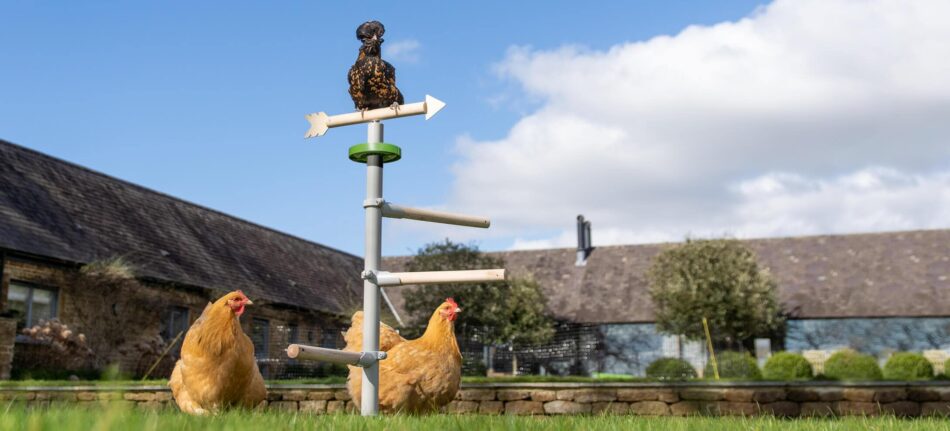
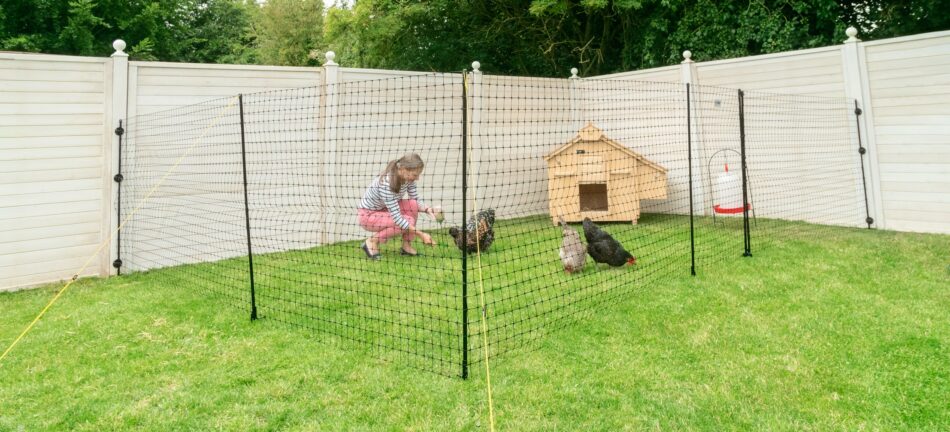


 How Do You Catch a Stray Chicken?
 Moving house is stressful for everyone involved – and that includes pets and chickens. As far as your hens are concerned, the secret to a successful relocation is to have everything ready at the other end. In the same way as you might unpack a kettle and two mugs before opening any of the big boxes, the chicken shed and run should be ready in the backyard before the first kettle boils!
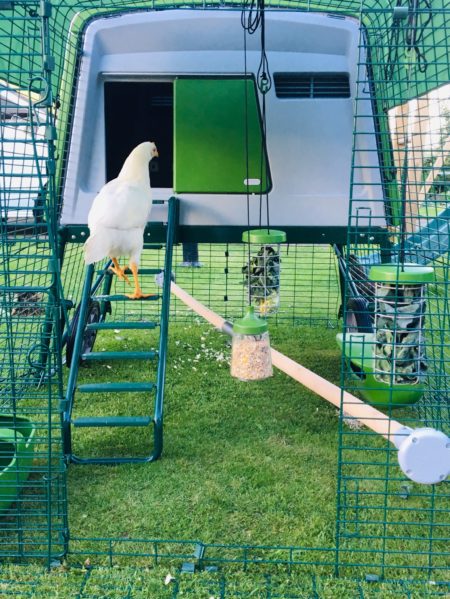 Transporting Chickens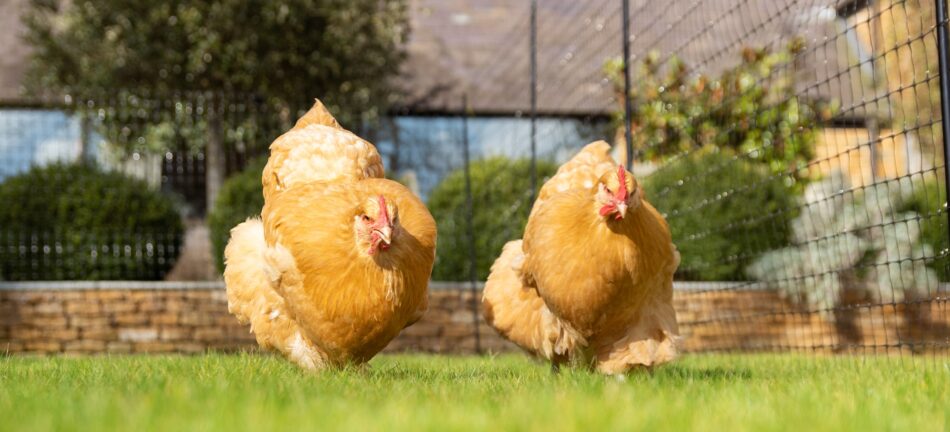
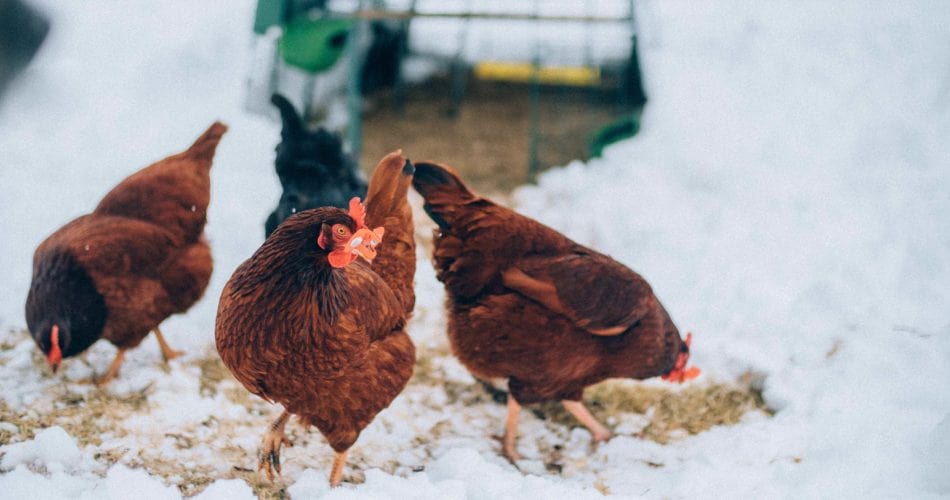
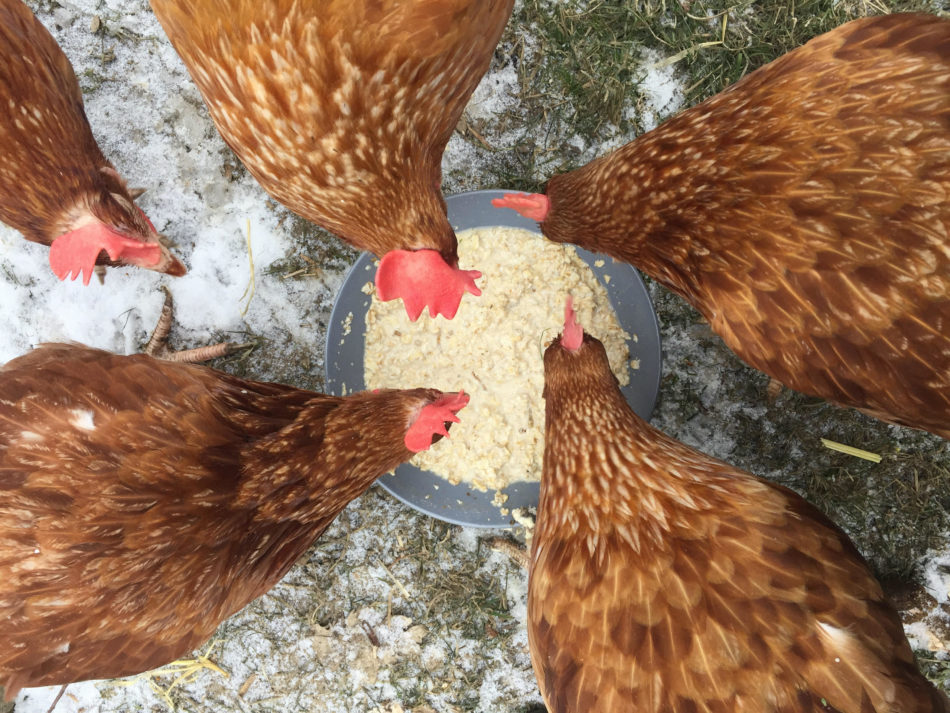
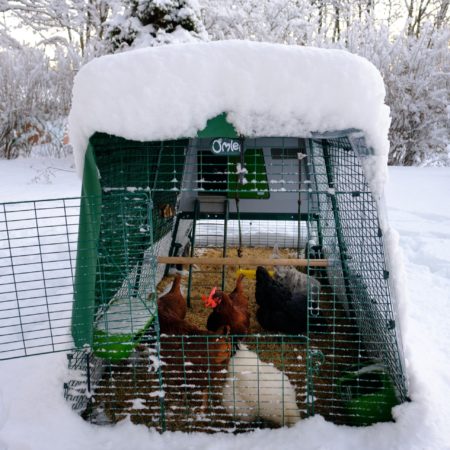
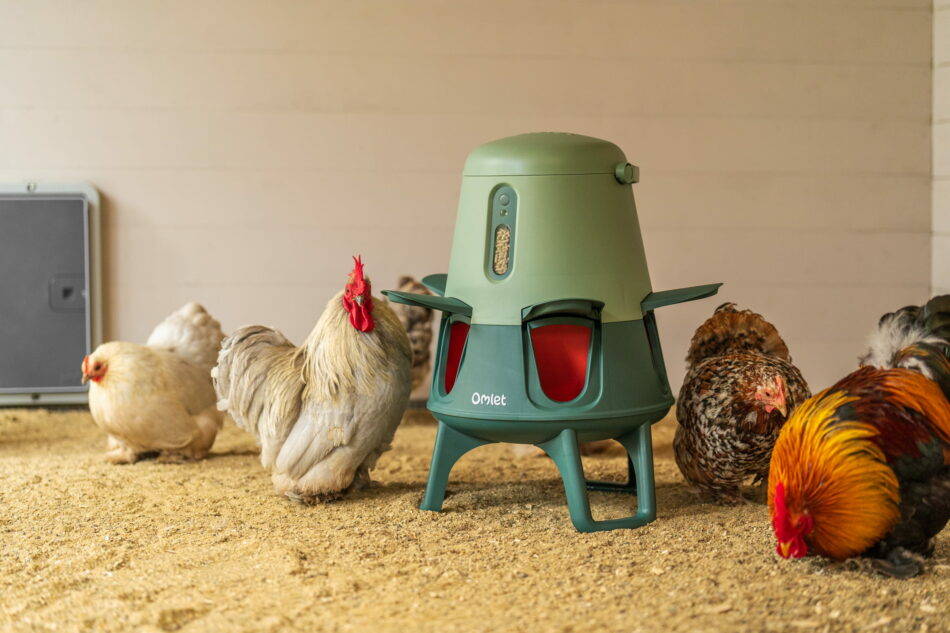
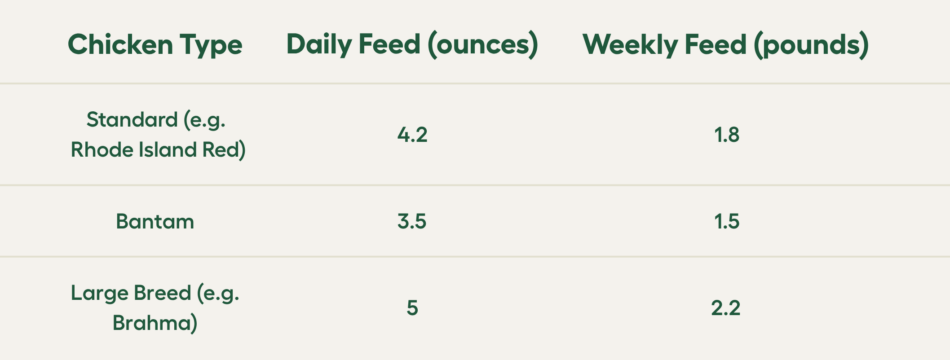
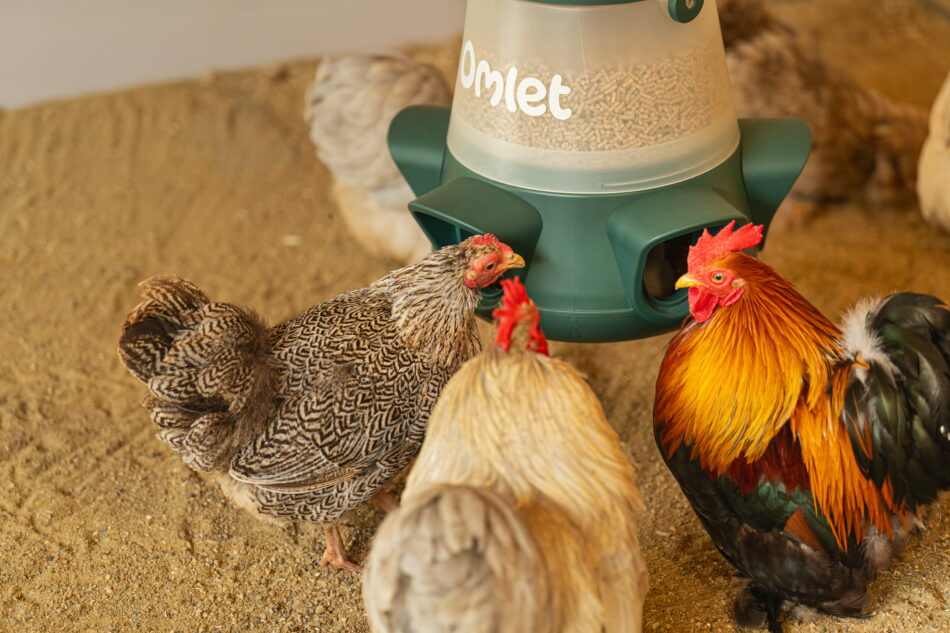
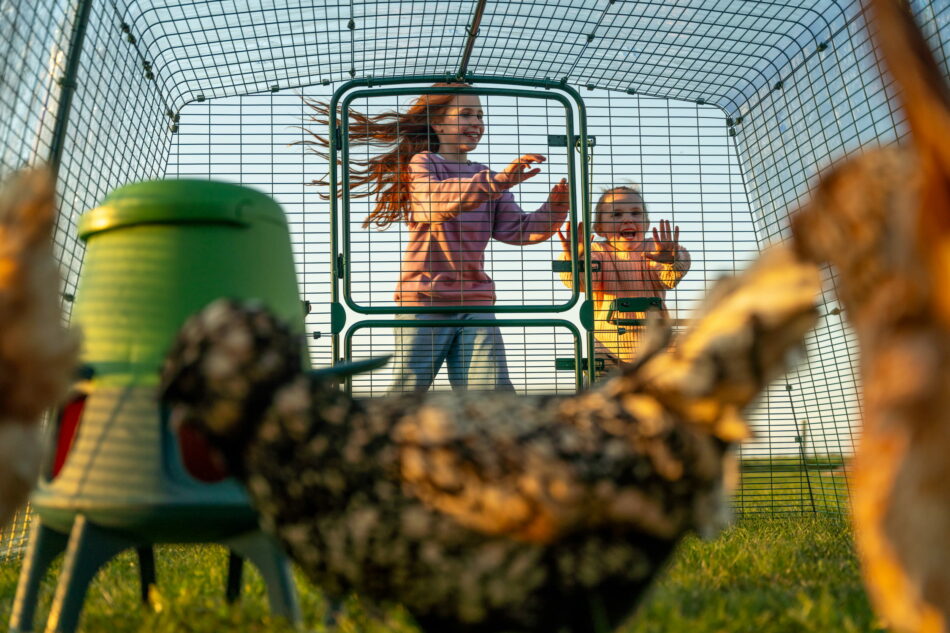
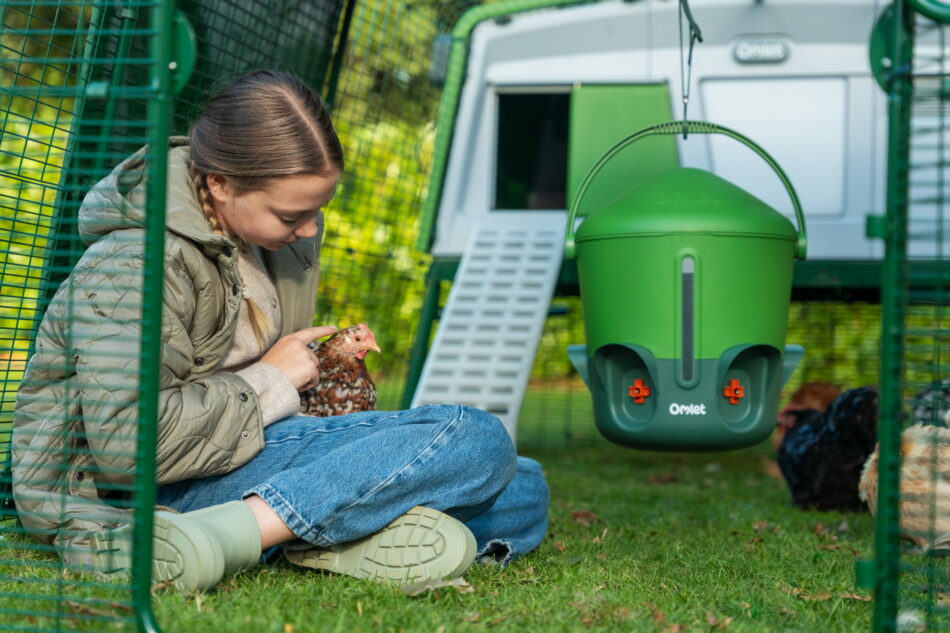

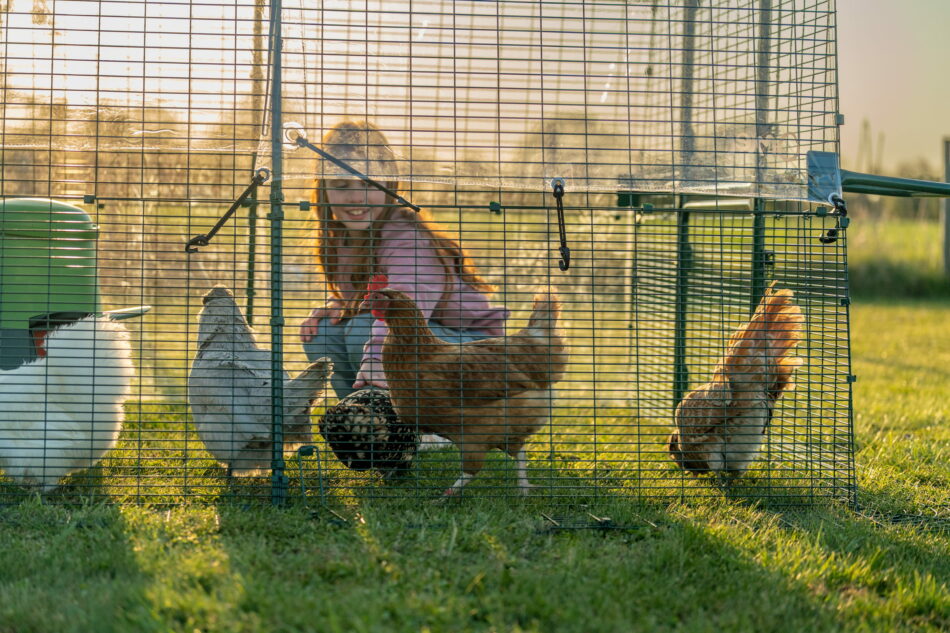
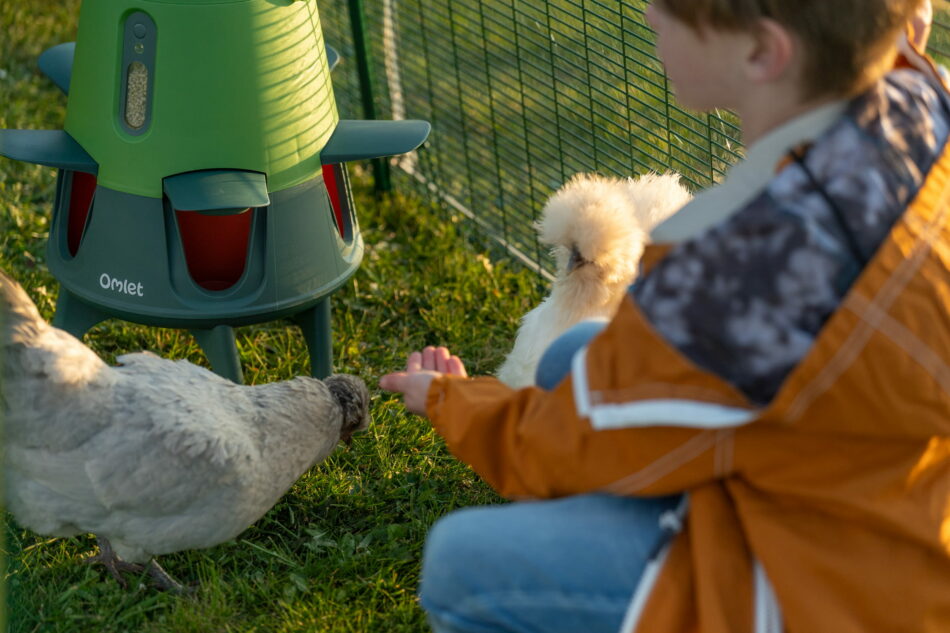
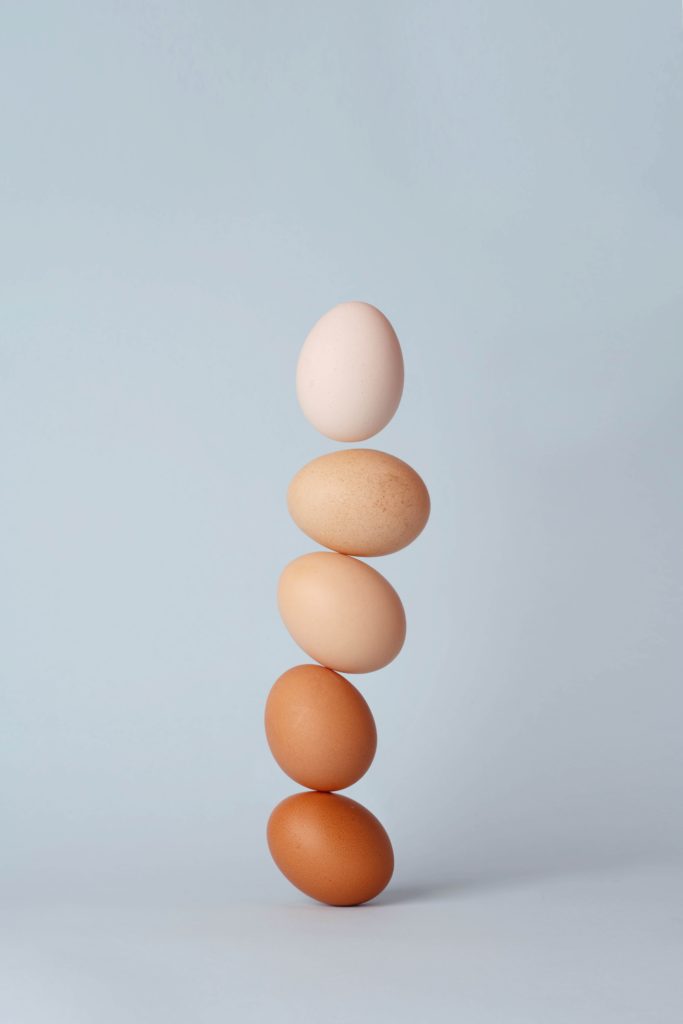 Most people would agree that the yolk is the best part of the egg. A double-yolker in the breakfast pan is therefore a very welcome sight!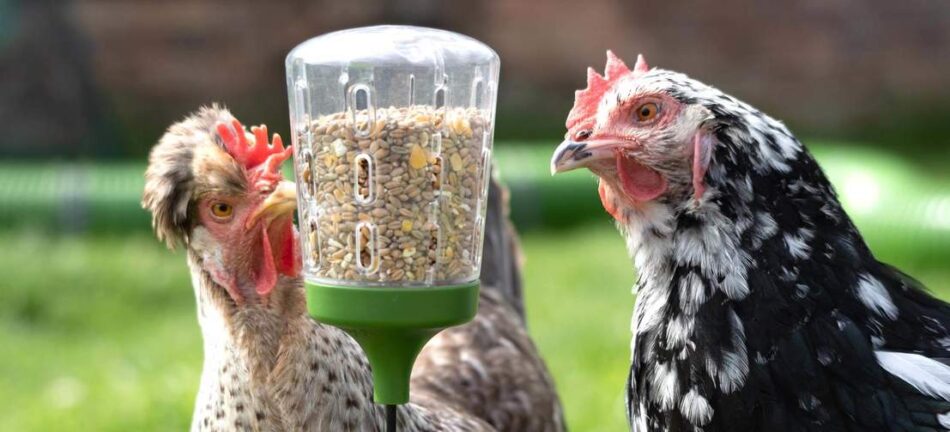
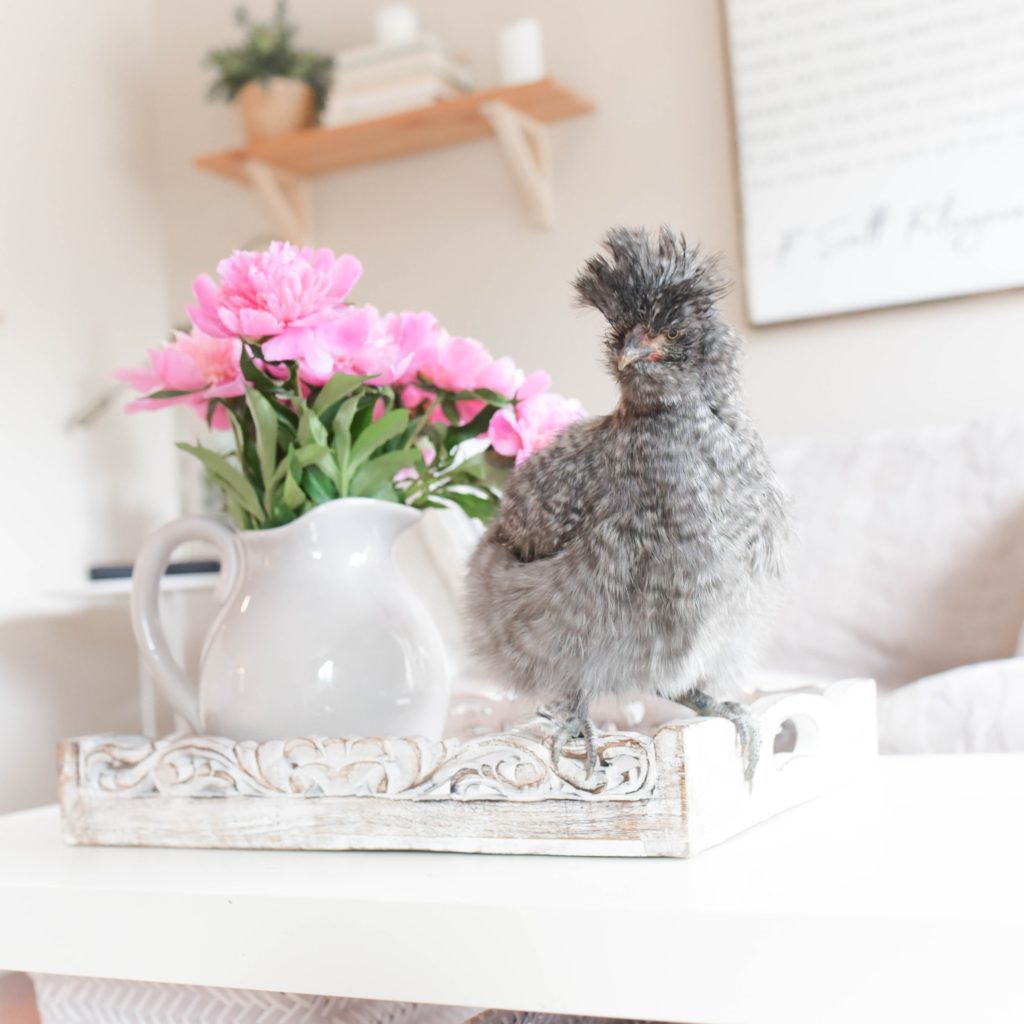 Photo by
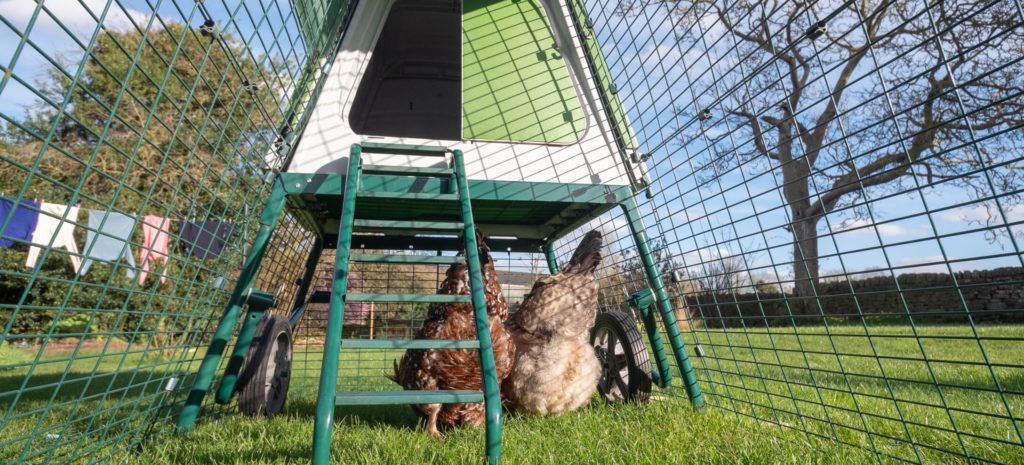
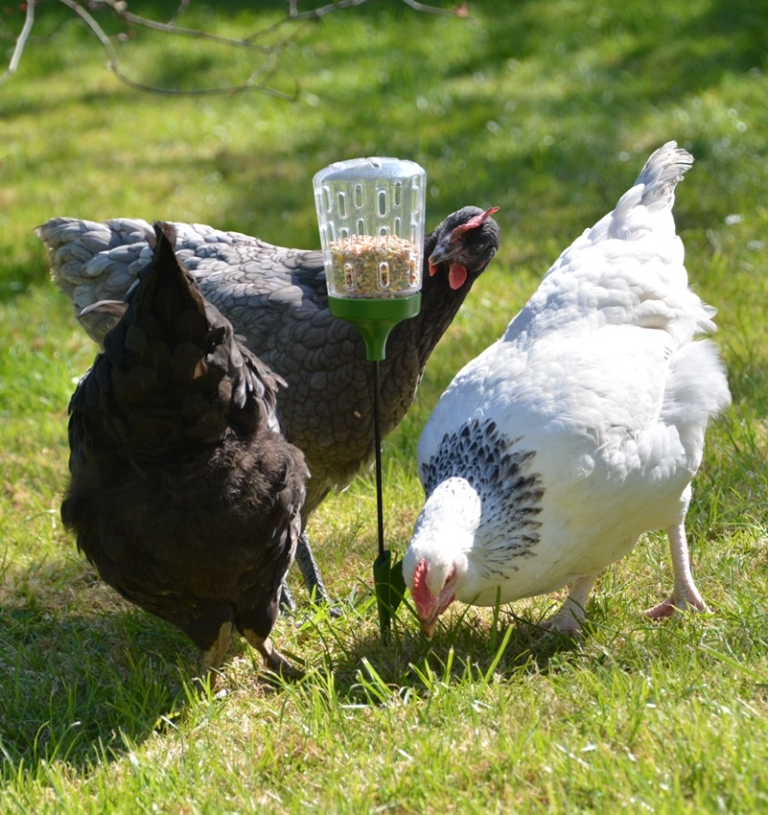 Prevent infections