When choosing a dog – especially if it’s your first one – the key is to find a breed that complements your lifestyle. Like us, some dogs are happy to spend most of their time relaxing indoors, while others want to run half marathons every day.
So, think about your lifestyle, and then find the dog to match. Here are some helpful lifestyle and dog breed matches to help you narrow down the field.
Dogs for Sofa Lovers
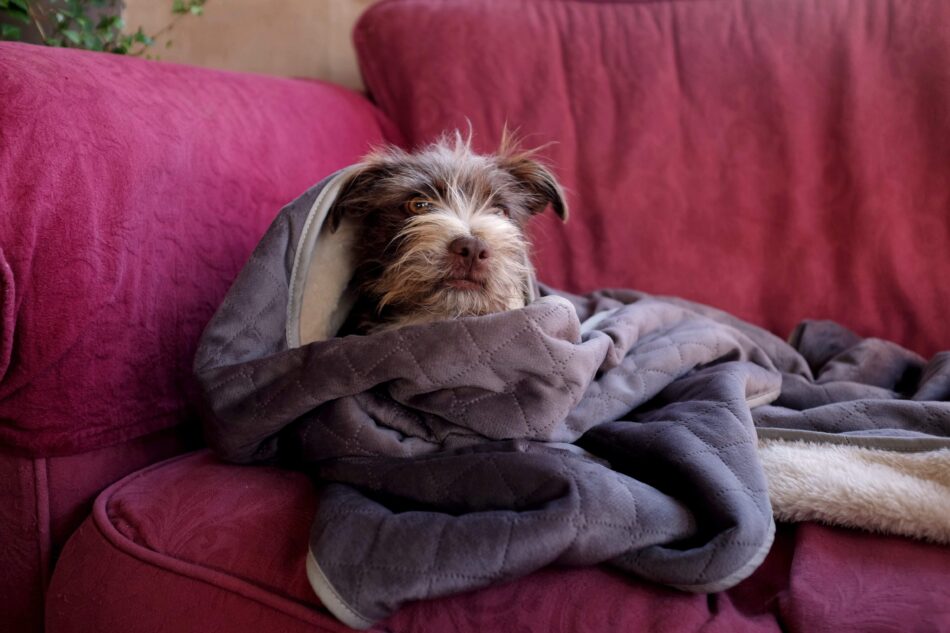
Being an evening couch potato doesn’t necessarily mean you’re lazy – it probably means you’ve had a busy day at work and need some downtime. Plenty of dog breeds fit this ‘couch canine’ lifestyle, including:
Dachshund – these loveable ‘Sausage Dogs’ can actually damage their spines if they’re forced to take too much exercise. They will still need a morning walk, though!
Greyhound – this one surprises people who don’t know the breed well. “Greyhounds?”, they say, “Surely all they want to do is chase hares at breakneck speed all day?” Well, yes, they can run fast; but their preferred lifestyle is actually long, lazy days, with a couple of short runs in the park.
French Bulldog – they’ll be hyperactive for 20 minutes on a walk, and then they’ll be worn out. Lacking endurance, this makes them perfect for anyone who lacks time for long walks every day.
The popular lapdog breeds fall into this category too, including Chihuahua, Pug, King Charles Spaniel, Pekingese, Shih Tzu and Yorkie.
Dogs for Busy Outdoor Lifestyles
If you do lots of hiking or running, there are plenty of high-endurance dog breeds that will just love keeping up with you every step of the way.
Dalmatian – these loveable hounds will find 101 reasons to run and play all day. Whatever you’re doing outdoors, they’ll be with you every step of the way.
Border Collie – possibly the dogs with the busiest work ethic, they will happily be hyperactive from dawn to dusk. If there’s no work on offer, they’ll find it for themselves. That ball game isn’t just a game, it’s a job, and the Border Collie will make sure it’s done properly – all day long, if needs be!
Husky – a breed that was developed to pull heavy sledges for hundreds of miles is not going to be content with anything but a busy lifestyle. These dogs need lots of exercise – as many miles a day as you can give them. Not for the faint-hearted!
Many other larger breeds suit active lifestyles, including German Shepherd, Pointer, Boxer and Labrador Retriever. Some smaller dogs pack an energy punch, too, and the Boston Terrier and Jack Russell, for example, will be able to keep up with you no matter how long the journey home is.
Child’s Play – Best Dogs for Kids
Although children should not be given full responsibility for a pet dog, there are plenty of breeds that are very child friendly.
Labrador retriever and Golden retriever – these are probably the perfect family dogs. Retrievers are gentle and loving, and treat children with a mixture of respect and parental care. They’re incredibly soft and good natured.
Irish (or Red) Setter – this breed seems to have been developed to play with children! Playful, but gentle, children often form very tight bonds with this wonderfully handsome dog.
Old English Sheepdog – these dogs love nothing better than chilling with the kids. They’re gentle giants.
There are plenty more dogs in this category. The Newfoundland, for example, is even more giant than the Old English, and just as gentle. Boxers and Beagles are good with the kids too – as long as they’re well trained from an early age.
Dogs for People Allergic to Dogs!
Don’t despair! Your pet-induced sneezing and asthma doesn’t mean you can never be a dog owner. The thing you’re allergic to is a protein found on animals’ skin, and/or shed hairs. Although no breed is officially hypoallergenic, the commonest ones in families where allergies are a problem are:
Poodle (both full size and Toy)
Schnauzer
Basenji
Bichon Frise
Samoyed
Shih Tzu
This is not a precise science, and some people are definitely more “allergic” than others. Many people who sneeze and wheeze at most dogs find that they are okay with Yorkies and Westies, even though these have longer hair than the average hound. At the same time, the short-haired Boxer can cause strong allergic reactions in many sufferers.
The key here is to spend some time with the breed before making the decision to bring one home.
The takeaway message is clear – there are many dog breeds out there, with many different personalities and requirements. Matching those traits to your own lifestyle and circumstances is the sure path to finding the perfect pet.
While it’s true that most dogs can swim, not all of them actually enjoy it. Some dogs’ idea of swimming involves paddling for dry land as quickly as possible, while some take to the water as if they were otters in a previous life.
With some breeds, the clue is in the name. The Irish Water Spaniel and the Portuguese Water Dog, for example, love taking the plunge, as do Poodles, Newfoundlands, Setters, Retrievers and many more. Some dogs, however, are simply not built for swimming. Dachshunds, with their short legs, and Pugs and English Bulldogs, with their short necks and poor breathing, struggle in water.
When confronted with lakes and rivers on a walk, the dog will decide for itself whether or not it wants to take a quick dip. In a garden pool, however, you need to be aware of the various safety and hygiene issues, because at some point your pet is bound to take to the water.
Mastering the Doggy Paddle
If the pool is a public one, dogs will simply not be allowed, so safety issues don’t arise. Pools in people’s backyards, however, become just as much a part of the dog’s playground as the humans’. Rule number one for pool owners – or for owners who visit friends with dog-friendly pools – is to make sure your dog is safe in the water.
A weak swimmer will tire very quickly and can soon get into trouble if unsupervised. Training your dog to swim to safety is therefore very important. Using your usual “Come!” command will usually work well. For smaller dogs, or if the pool is high-sided, a ramp should be attached to the side to allow the dog to clamber out. If the pool has steps, make sure the dog knows where they are. If the pool is large, make your dog jump in from different points, and guide them to the exit each time, to make sure they have a clear mental map of how to get out.
Another popular option is a dog life-jacket, which will allow your pet to swim while preventing it from sinking fast if things go wrong. If you never leave the dog unsupervised, these shouldn’t really be necessary; but if you are having a busy afternoon, your eye might not always be on your pet, so a dog flotation vest is great for ensuring peace of mind.
Some dogs really take to floats and inflatables (claw-proof ones made specifically for dogs, ideally). They can use them to take a break from paddling, or can simply lie on them like a human on a sun lounger.
If a dog gets itself into serious difficulties and needs rescuing, knowing how to administer CPR (Cardiopulmonary resuscitation) can save the pet’s life. There are tutorials available for this online, or you could ask your vet for advice.
Don’t Drink the Water
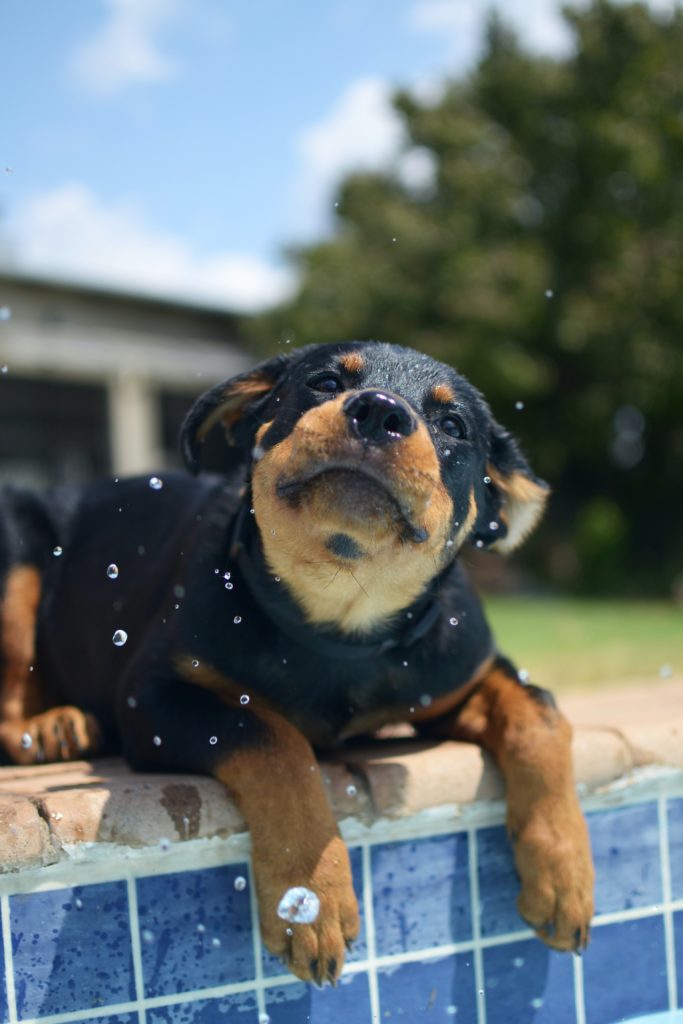
Dogs can quickly overheat if the sun is beating down, and they may naturally take to water to cool down. Swimming is hot business, though, and it’s far better for your pet to cool down in the shade with some fresh water to drink.
And that’s another hazard – a hot, thirsty dog in a pool will do what come naturally and drink some of the pool water. If they lap up too much of the chlorinated water, they may become sick. Again, providing some fresh water somewhere cool and shaded will prevent them drinking from the pool.
Just like a human, a dog who has spent time in the pool will need rinsing off, to remove the potentially irritating chlorine and other chemicals from its fur, eyes and skin.
Your Dog Loves the Pool, But Does the Pool Love Your Dog?
There are three major issues for a swimming pool used by dogs: bacteria, hair, and wear & tear.
The bacteria is associated with poop and pee. The dog doesn’t need to actually relieve itself in the pool for these contaminants to be released into the water. However, as long as your pool is properly maintained and chemically treated, the bacteria will be killed, so this should not be an issue.
The hair factor is more of a problem. Dog hair will accumulate in the pool filter surprisingly quickly if your pet sheds a lot. A good brushing before swimming will help, but you will still need to clean the filter and other pool machinery more often than you would with human-only swimmers.
Wear and tear is an issue with doggy paddlers because of their claws. They will scrabble at the sides of a pool, and at the bottom of a shallow area. A pool lined with plaster, pebbles or tile will withstand the clawing, while plastic or vinyl-lined pool may spring a leak. You should also bear in mind that dog claws and children swimming in the same pool may be asking for trouble, too.
Follow these simple guidelines and precautions, and pools can be enjoyed by dogs and owners alike. But don’t force the issue – some dogs love the wet stuff, while others prefer to keep their feet on dry land.
Whether it’s homemade treats, new toys or a long game of fetch that makes you late for work, there are many ways to show your dog how much you love them. But are you spoiling them? Probably. Does it matter? Probably not.
These are 20 tell-tale signs that suggest you’re spoiling your furry friend.
1.
There’s nothing in the snack pantry except dog treats. That’s good, as it means you’re not feeding all the treats at once; but it’s not so good if you were looking for a crafty snack of your own…
2.
You’ve gone to the pet shop with your dog, and you’re letting them ‘choose’ the toys and chews they want. So far, you have a very full basket!
3.
You buy a bigger, better sprinkler for the backyard just because your dog had such fun with the old one. The lawn doesn’t actually need the extra water at the moment, but your dog does!
4.
You buy a new squeaky toy to play tug-of-war with, even though the old ones are still in good shape. After all, this is the first time your pet has had a toy shaped like a lobster…
5.
You realize you’re looking forward to your dog’s day at the Puppy Spa next week as much as you’re looking forward to your romantic stay in a spa hotel the following weekend.
6.
Your bags of dog treats have healthier ingredients than your own treats – all organic, sustainably sourced, and packed with vitamins and minerals.
7.
Your afternoon dedicated to DIY has disappeared, dedicated instead to giving belly rubs, playing with sticks and balls, and going for a long, leisurely walk in the park to say hello to the ducks.
8.
The freezer has lots of yummy frozen doggy treats, but no ice creams or popsicles for you and the kids.
9.
You’ve spent two hours in the kitchen baking. The result? Several trays of dog biscuits for your pet and all his doggy friends in the neighborhood.\
10.
You’re sitting on the not-very-comfy chair, because your dog is curled up on the comfier one.
11.
You’re not particularly enjoying the show on TV, but you keep it on because it’s your dog’s favorite.
12.
You buy toys and treats for your dog’s birthday or for their Christmas stocking – and hide them away on a high shelf to keep them secret until the big day.
13.
You phone home on a business trip, and your first question is “How’s the dog?”
14.
You’re an expert in dog massage and essential oils for dogs, but don’t know much about massage and essential oils for humans.
15.
You give your dog its dinner slightly early so that you can both sit down and watch the new Scooby Doo or Lassie film together later.
16.
Your dog’s annual hairdresser bill is bigger than yours.
17.
You have a list of all the local dog-friendly restaurants in your neighborhood and compile one for all the places you visit with your pet.
18.
Your dog’s ‘room’ under the stairs was planned and decorated with more care than your living room.
19.
You decide not to offload your bad day on the dog, because you don’t want them to worry.
20.
You’ve taken a trip to the seaside with your dog yet again. You hadn’t intended coming back so soon, but the dog insisted…
As long as it doesn’t involve overeating, over-stressing or over-exercising, there are all kinds of ways to spoil your dog. And the great thing is, the dog won’t feel spoiled at all, just loved.
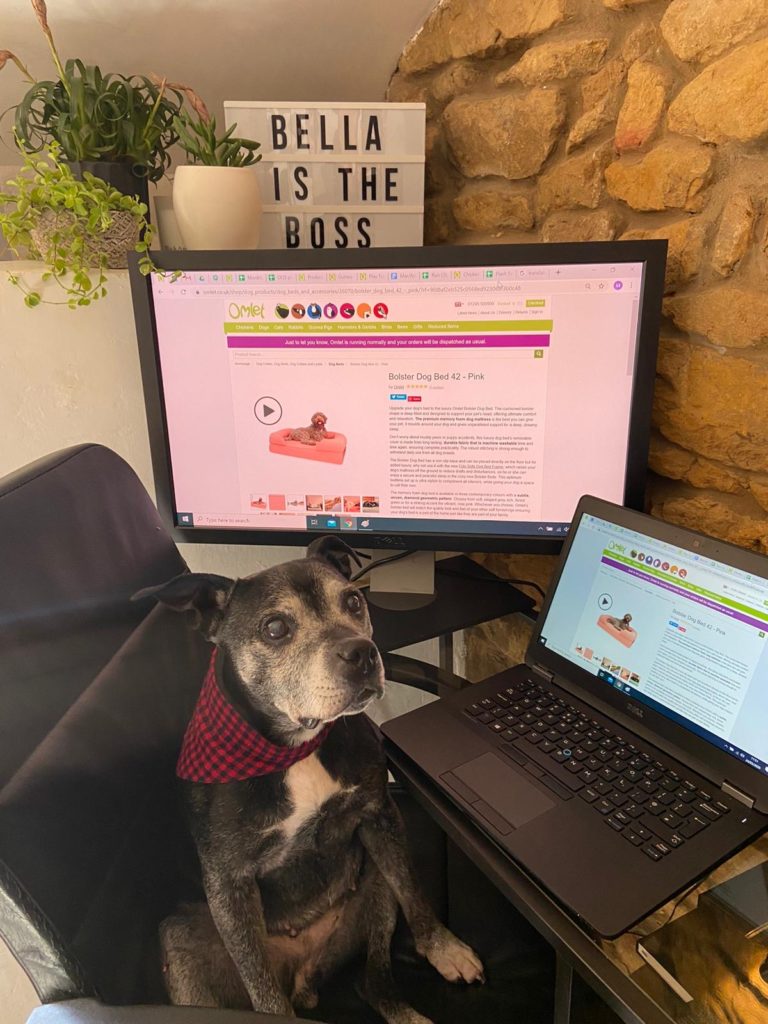
2020 has certainly been an unusual year for most of us so far. Here at Omlet we’ve been working from home since the end of March, and many of us have spent more time than normal with our chickens, dogs, cats and other pets. To get an idea of how pet ownership has affected lockdown, we decided to ask our followers how their pets had helped them cope with these strange times. Here is a summary of the results:
88% of people agreed that staying at home has been easier with a pet! It’s no news that pets are great emotional support during difficult times, and apart from that they keep you busy. If you keep chickens you have to go out in the garden a few times a day to refill food and water or check on your girls, and if you have a dog they must be walked. Having routines is a great way of keeping structure when things are uncertain, and will benefit both physical and mental health, so it’s no wonder that 88% of people are thankful for having a pet throughout lockdown!
Nearly 2 out of 3 people thought that their pets had enjoyed seeing more of their owners, which shows how little they actually require from us. It doesn’t have to be long hikes or elaborate playtime setups, just having you around is enough for most pets. Only 0.5% said that their pets seemed annoyed or tired by the additional human interaction – can we guess that these people own independent cats by any chance?
1 in 4 people said they spent more time teaching their pets tricks during lockdown.
Many of us have been working from home and tried to master all the challenges that come with setting up a home office. For people with pets this challenge might have been even bigger. Whether by squeaking guinea pigs, clucking hens or barking dogs, 75% of people said that they had been easily distracted from work by their furry or feathery friend. 50% had also had a video called interrupted by their pet.
76% of everyone who took the survey said they would like to work from home more often in the future so they can spend more time with their pets. As we have already established, our pets have also seemed happy to have us at home more, so it’s certainly a setup that would benefit both pets and owners.
Not as many people would like to bring their pets into work with them; only a third said they’d like to let their pet meet their colleagues. We’re guessing this might have to do partly with what animals people have got, and how convenient it would be to take them to work. Sure, we’ve heard of office dogs, but is an office chicken taking things a bit too far?
Out of the people who would like to take their pet to work with them in the future, nearly two thirds believed that their boss would not allow it. If you reckon your boss would say no, let them know that studies done with office dogs show that having a four legged friend running between the desks proved to boost morale, increase job satisfaction and reduce stress within companies and organisations.
Terms and conditions Promotion of $10 off when you spend $100 is available until midnight 08/08/2020. Use promo code THANKYOU at checkout. Total basket value excluding delivery must be $100 or more. Subject to availability. Omlet ltd. reserves the right to withdraw the offer at any point. Offer cannot be used on shipping, existing discounts or in conjunction with any other offer.
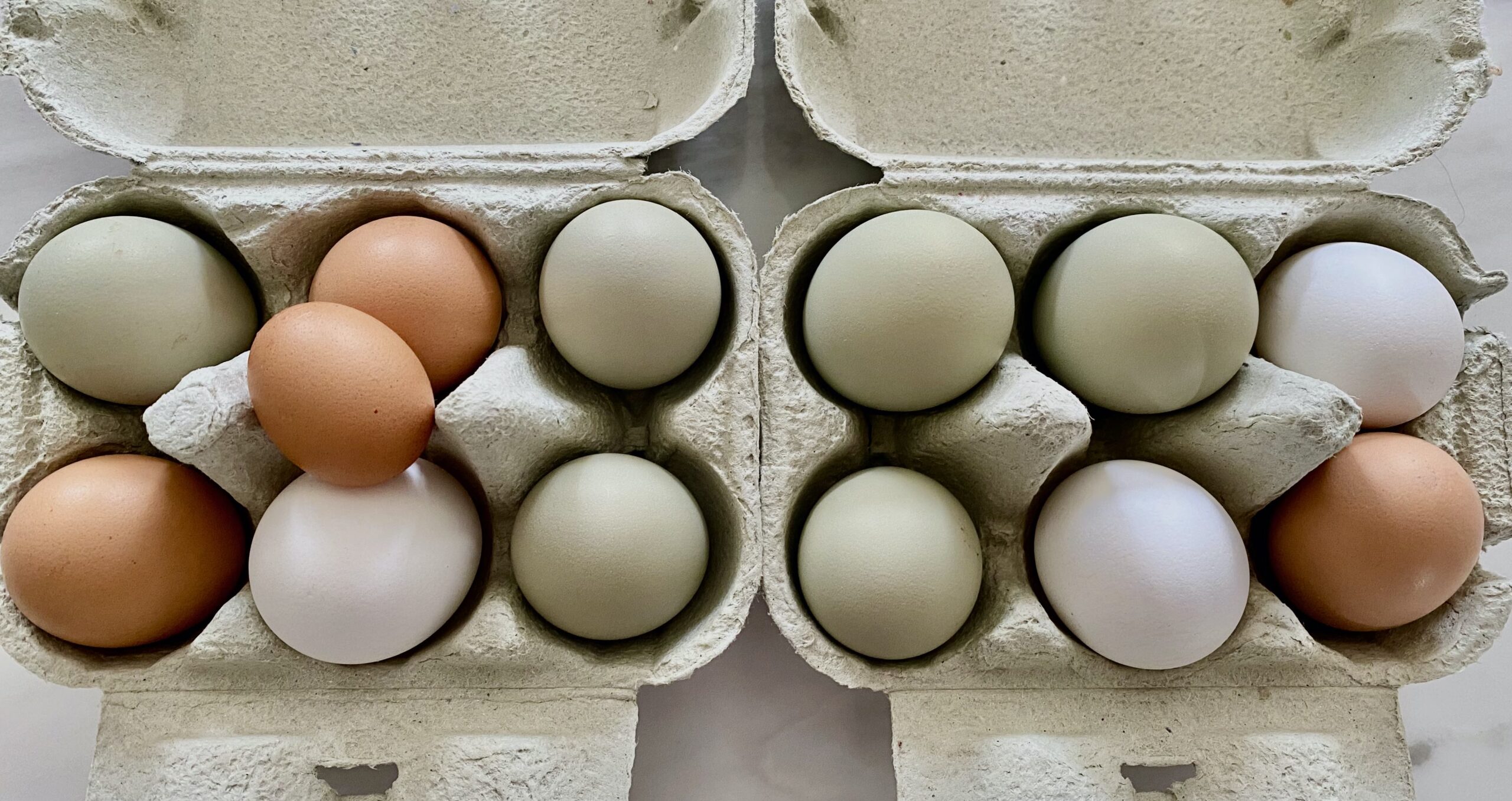
We are all used to the idea of fresh food being clean and chilled, so surely the best method of storing eggs is to wash and refrigerate them?
The answer is ‘no’. With a bit of ‘yes’ thrown in. Although the collective knowledge of chicken keepers is vast, there is still debate about the best way to store eggs.
We’ve gathered the various ends of the argument and summarized them below. Welcome to the debate!
Washed eggs?
Unless the eggs are soiled – which is the result of mud or chicken poo in the hen house, rather than dirt deposited during the actual laying – they do not need washing. A freshly laid egg has a shell covered in a protective ‘bloom’, called the cuticle, and this acts as an antibacterial defense system. If it’s washed off, the protection is washed off too. However, if the eggs are then stored in clean boxes, this won’t be a huge issue.
Eggs with dirty shells should be wiped clean, and it’s a good idea to use these soiled ones first – mainly to keep the egg box or egg-skelter looking pretty!
Chilled eggs?
Some chicken keepers keep their eggs in the fridge, while others believe this is unnecessary. So, what’s the best advice?
There are two rules of thumb – keep them below 70°F, and keep them away from strong odors, as these may affect the flavor. Other than that, it’s really up to you.
A study was carried out in 2013 by Food Test Laboratories in England, comparing the fate of two batches of supermarket eggs. The eggs were kept for two weeks, half of them in the fridge, and the other half at room temperature. In England, supermarket eggs are not washed before being sold, so the eggs still have the supportive cuticle on the shell.
The eggs were tested for ‘usual suspect’ bacteria such as salmonella and listeria, at the beginning of the experiment and two weeks later. The results demonstrated why there is such divided opinion on the issue, as neither sets of eggs showed any signs of bacterial nasties, inside or out.
It’s the cuticle ‘bloom’ that keeps the eggs fresh and bacteria-free. If you’ve had to wash them, it’s probably a good idea to refrigerate them, as the shells will not be protected. Keep them in boxes on the fridge shelves, rather than in a fitted plastic egg tray in the fridge door (formerly a regular feature in new refrigerators).
Eggs don’t like being shaken, as it causes the egg whites to deteriorate and turn slightly watery. An egg that’s shaken by the constant opening of the fridge door is likely to lose its binding qualities in baking, and will look very sad, flat and watery in the poaching or frying pan. Fridge doors are the warmest part of the appliance too, and the area of the fridge where temperature fluctuates the most, which isn’t ideal for egg storage.
Egg basket or box?
Eggs kept outside the fridge can be stacked in boxes, with the oldest ones in the topmost boxes. This age factor is less easy to sort out if you keep the eggs in a wire basket, although these look great on display. Some chicken owners use color coding dots, or even dates, to sort the young from the old. If you’re unsure about relative age, you can always use the traditional ageing method: place the eggs in a bowl of water and watch how they sit. Very fresh ones will lie flat on the bottom, while older ones will have their pointed ends raised. Ones that are way past their use-by date will float.
Another advantage of egg boxes is that you can store the eggs with their rounded ends at the top. This keeps the yolks centred, which makes them look their best if you’re hard- or soft-boiling. However, if most of your eggs end up in cakes and quiches, this isn’t going to be an issue.
An egg skelter is another attractive way of storing the fruits of your hens’ labours. These keep the eggs in age-order, and they look great too.
Storing shelled eggs?
Any leftover raw egg can be stored in the fridge in an airtight container. It should be used within three days. Stored yolks should be covered in water to prevent them drying out. The water can be poured away before use.
Uneaten cooked eggs (i.e. hard-boiled) will always leave an ‘eggy’ smell in the fridge. This is caused by hydrogen sulphide, a gas that forms when eggs are cooked (you’ll notice it’s never present in raw eggs). Although not exactly pleasant, the gas is harmless. Eggs stored in this way should be eaten within one week.
So, the main takeaway here is that eggs can be stored wherever you want them to be stored. As long as you keep them away from heat, strong odors and too much shaking, you’ve got the storage conundrum cracked!
If you have problems with your cat eating their food too quickly, try changing their food bowl to a larger, shallow plate. This will slow them down significantly as they have to take smaller mouthfuls, which minimizes the risk of the food coming back up again.
2.
If you’re worried your cat doesn’t drink enough water, try putting the water bowl in a different spot to where they get fed. In the wild, cats will not drink at the same place as they eat to avoid the meat contaminating the water, and this behaviour lives on with some pet cats.
3.
Does your cat rub against your laptop or try to sit on the keyboard as you’re trying to work from home? Bring out the best cat toy of all time, the cardboard box! Place a box on your desk and most cats will forget about you and happily play or curl up in the box.
4.
Try freezing some of the treats you give to your cat. The unusual texture and temperature of the treat will stimulate several of the cat’s senses and encourage explorative play. This is especially good in summer when the cat will love the cooling effect even more.
5.
If you want to keep your cat off the kitchen counter, a new sofa or an expensive side table, put some double-sided tape over the surface where the cat’s sharp claws would cause damage. Cats hate the feeling of the sticky tape and will quickly learn to avoid these spots. At that point you can remove the tape.
6.
The best way to avoid cat hair all over the house is to get on top of grooming and brush your cat regularly, preferably daily. It doesn’t only decrease unwanted shedding; it also helps the cat groom itself and prevents matted fur and hairballs. Get a brush that suits your cat’s type of hair and make it a lovely time of the day together with your cat.
7.
For fur that has gathered on carpets and upholstery, put on a rubber glove and run your hand over the surface to gather up pet hair. Shower squeegees can also be useful for this task!
8.
Potted plants sometimes become alternative litter boxes, which is neither nice nor very good for the plant. To stop your cat from going in the pot, cover the soil with a layer of pinecones. These blend in nicely but will put your feline friend off.
9.
One of the best ways of stimulating an indoor cat is to give them a place to climb. If you haven’t got enough space for a large climbing station, put up some shelves that the cat can explore.
10.
No matter how much you groom your cat and make sure the house is nice and clean, the cat’s bed will still be exposed to a lot of hair and dirt. Make sure you get a cat bed with a machine washable cover that can be cleaned over and over again without fading or weakening.
Backyard chickens are tougher than they look, but summer heat is one of the few things that can make their health deteriorate fast. When temperatures climb above 85°F, your flock starts to struggle. Above 95°F, you’re in dangerous territory. Unlike cold weather, where chickens generate their own body heat and huddle together, there’s no built-in defense against extreme heat. With a few adjustments to their environment and a clear understanding of how heat affects chickens, you can make summer much easier for your flock.
What Temperature Is Too Hot for Backyard Chickens?
Chickens begin to feel heat stress at 85°F (29°C) and face serious risk above 95°F (35°C). But temperature alone doesn’t tell the full story. Humidity compounds the danger significantly: a 90°F day at 80% humidity is more dangerous for your flock than a 100°F day in dry air. The combination of heat and moisture prevents the evaporative cooling that panting provides, so birds struggle to regulate their core temperature at all.
The good news is that the peak risk window is predictable: typically between 11am and 4pm, when the sun is at its highest and ambient heat is at its peak. Planning your flock checks and water refills around this window is one of the simplest and most effective things you can do.
Signs of Heat Stress in Chickens (and What to Do Right Now)
Knowing the warning signs before a crisis hits is the difference between a quick intervention and a vet call. Heat stress progresses in stages, and the earlier you catch it, the better the outcome for your bird.
Early Warning Signs
These are the subtle signals your hens give before visible distress sets in:
Loss of appetite and reduced interest in treats or feed
Reduced egg production, sometimes before any physical signs appear
Spending more time in the shade or pressed against the ground
Active Heat Stress Signs
These require immediate action:
Open-mouth panting with the neck stretched forward is the first clearly visible sign
Wings held away from the body, indicating the bird is trying to release heat through her skin
Pale or blue-tinged comb and wattles, which signal reduced blood circulation
Lethargy, stumbling, or a hen that won’t stand up, requires emergency cooling right away
How to Cool an Overheated Hen
If you spot a hen showing active heat stress signs, act quickly but calmly:
Move her immediately to a shaded, well-ventilated area
Offer cool (not ice cold) water and encourage her to drink
Wet her legs and feet only, not her whole body, as a sudden temperature shock can make things worse
Keep her calm and away from the rest of the flock
Never dunk or spray a heat-stressed hen’s whole body. The rapid temperature change can send her into shock. Gradual cooling is always the safer approach.
When to call a vet: If a hen is unresponsive, has labored breathing, or cannot stand after 20 minutes of gradual cooling, contact your veterinarian. Heat stroke in chickens can be fatal without professional intervention.
How to Keep the Chicken Coop Cool in Summer
The ideal internal coop temperature is below 80°F. Above that threshold, egg production drops and health risks climb. What happens inside the coop at night matters just as much as what happens during the day, because a coop that has absorbed heat all afternoon will keep releasing it for hours after the sun goes down, right when your hens are trying to rest.
Coop Placement and Airflow
Where your coop sits in your yard has a significant impact on how hot it gets:
Position the east or north sideof the coop against a structure, or under a deciduous tree, to block the intense afternoon sun
Ventilation must create cross-flow airflow, meaning air enters from one side and exits from another, rather than just having one opening that traps warm air
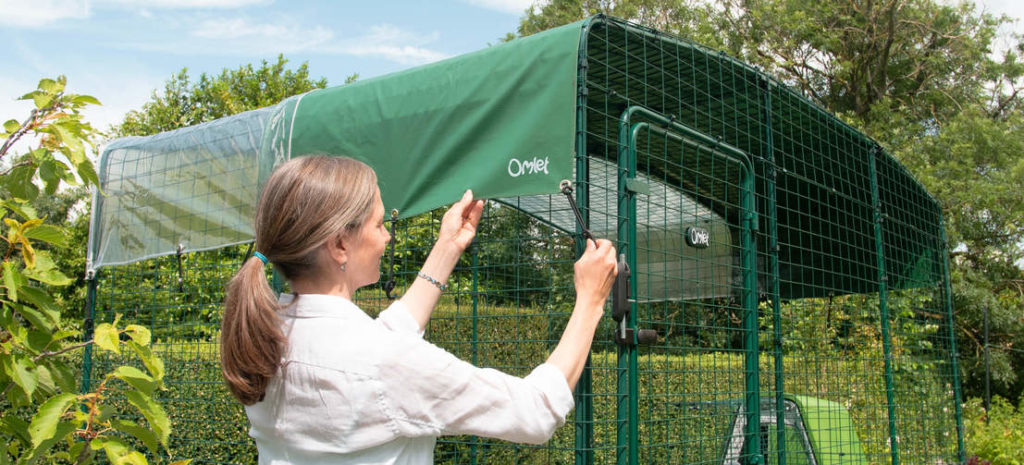
Cover 60-70% of the roof to provide shade, if you can’t place the east or north side of the coop against a structure, use a cover on one side but ensure air still flows through the enclosure
A battery-powered or USB fan pointed at the roosting area can drop coop temperature by 5-10°F on still days. Frozen water bottles placed near the roosting bars before nightfall also help bring the overnight temperature down.
Why Coop Material Matters
Wooden coops absorb and retain heat throughout the day, then release it at night, exactly when your chickens need to cool down. This is one of the most overlooked risks in summer chicken keeping.
Twin-wall insulated plastic coops, like the Omlet Eglu range, work very differently. The twin-wall construction means the outer surface absorbs heat without transferring it to the interior, so the inside of the coop stays significantly cooler than a wooden alternative on a hot day. The material also doesn’t retain heat overnight, giving your hens a genuinely comfortable place to roost even during a prolonged heatwave.
Key takeaway: If you’re finding your flock reluctant to go into the coop at night during summer, it’s almost always a heat retention problem with the coop material itself.
Keeping Chickens Hydrated When It’s Hot
Hydration is the single most critical factor in keeping your flock safe during a heatwave. Dehydration can become life-threatening faster than the ambient temperature itself, and it’s entirely preventable with the right setup.
During hot weather, chickens can drink double their normal daily water intake. A flock that usually gets through half a gallon a day may need a gallon and a half or more when temperatures spike. Plan for this before a heatwave, not during one.
Water Temperature Matters More Than You Think
Water above 60°F is significantly less effective at cooling a chicken’s core body temperature. This is why simply refilling a warm drinker isn’t enough on a 95°F day. Cool water actively helps bring body temperature down; warm water barely helps at all.
Practical ways to keep water cool:
Place all waterers in shaded spots to slow warming
Add ice to open drinkers during peak heat hours
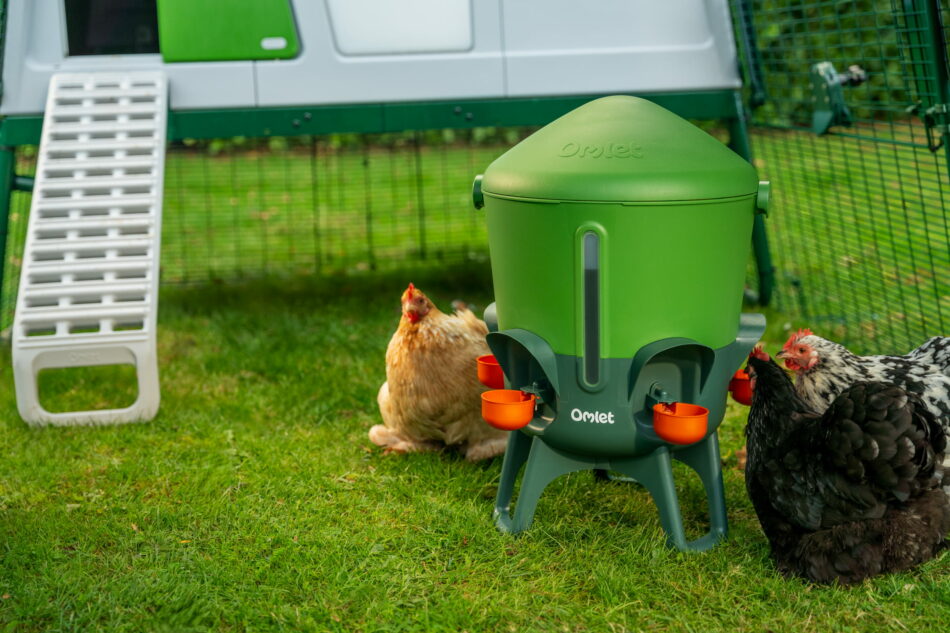
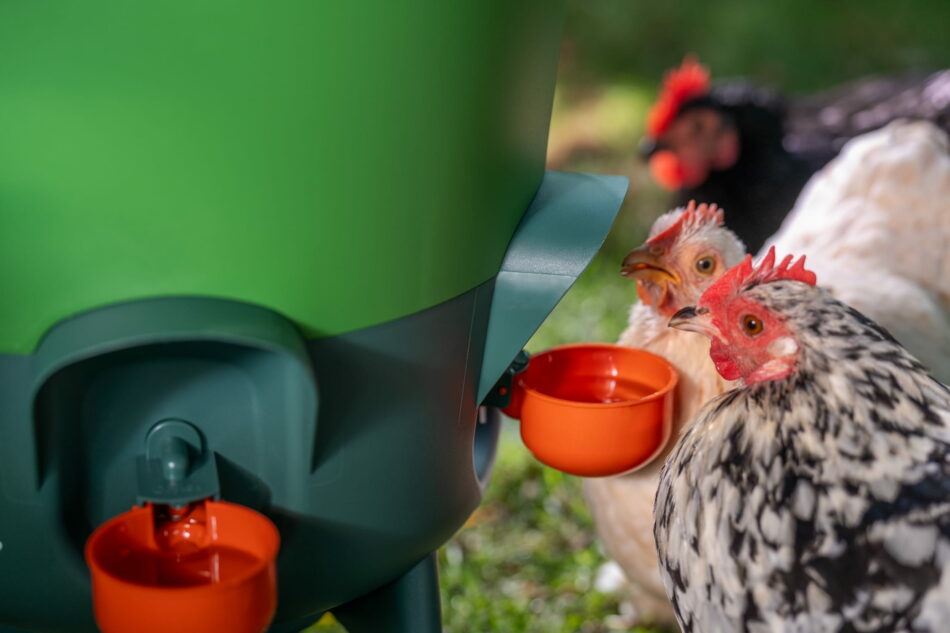
Invest in an insulated waterer, like the Omlet Insulated Stay Clean Chicken Waterer, which is tested to maintain cool temperatures in up to 90°F heat for 10 hours without any ice needed (and even longer with ice!)
Positioning and Hygiene
Heat-stressed birds won’t walk far to drink. Place multiple waterers around your setup, not just in one corner of the run. This is especially important for crested breeds that may struggle to locate a single water source.
Warm, stagnant water grows algae and bacteria rapidly, which is a real health risk in summer. Clean and refill open drinkers frequently. An enclosed waterer is a brilliant solution here: by blocking sunlight from reaching the water, it prevents the algae growth that open containers encourage. The Omlet Insulated Waterer blocks 99% of light, keeping water clean for days without the daily scrubbing that open containers demand.
For extreme heat, electrolyte supplements added to water (available at farm stores) help replenish the minerals your hens lose through panting. This is worth having on hand before summer arrives.
Got more questions about chickens and water? Check out our water guide.
Which Chicken Breeds Struggle Most in the Heat?
Understanding your flock’s breed composition helps you set up your summer care routine correctly. If you keep a mixed flock, always manage your setup for the most heat-vulnerable breed you have. The hardiest birds will be fine; the sensitive ones may not be.
Breeds That Need Extra Attention in Summer
Feather-footed breeds (Cochins, Brahmas, Faverolles) The extra feathering around their legs and feet traps heat and limits their ability to release it through their skin. Check their feet and shanks regularly for warmth or swelling during hot spells.
Crested breeds (Polish, Silkies, Houdans) Head feathers can obstruct vision, meaning these birds may not spot a water source that other hens find easily. Place multiple drinkers at different heights and positions around the run to make sure they always have access.
Dense-feathered breeds (Orpingtons, Wyandottes) Their thick plumage limits the airflow around their bodies. Unlike lighter-feathered breeds that can fluff their feathers to create cooling air pockets, dense-feathered hens have less ability to self-regulate through this mechanism.
Roosters and older hens are also more vulnerable than young pullets, so keep a closer eye on the senior members of your flock during hot spells.
Chickens in a shaded area, whether under trees or with run covers fitted, can cope with higher temperatures than birds exposed to direct sun. Shade is one of the most effective and lowest-cost tools you have.
Breeds That Handle Summer Well
Mediterranean and desert-origin breeds are naturally adapted to heat and generally manage warm summers with minimal intervention:
Leghorns
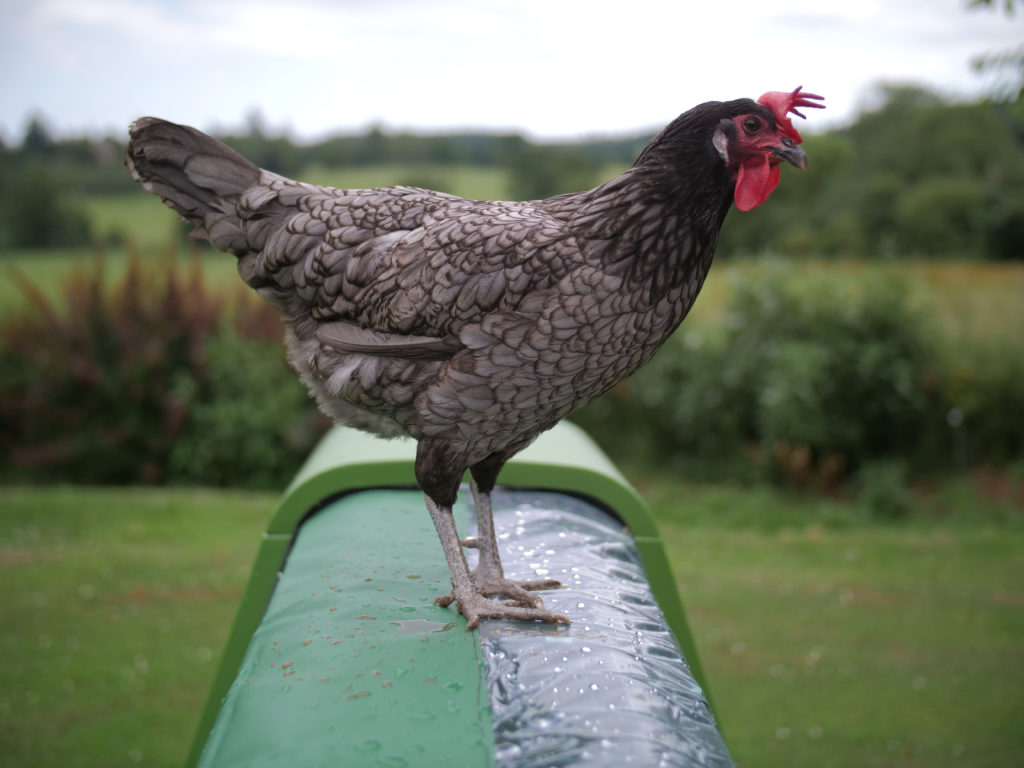
Anconas
Fayoumis
Penedesencas
Egyptians
These breeds tend to have larger combs and wattles, which act as natural radiators to release body heat, and lighter feathering that allows better airflow.
Does Heat Affect Egg Production?
Yes, and more significantly than most keepers expect. Hens require a core body temperature of around 104-107°F to function normally. When external heat pushes that range, the body diverts energy away from egg production to focus on survival. The result is a measurable drop in your egg basket.
Expect a 10-25% reduction in laying during weeks where temperatures consistently exceed 90°F. Some hens, particularly older ones or heavy breeds, may stop laying entirely until cooler weather returns.
Heat and Eggshell Quality
Reduced laying isn’t the only change you’ll notice. Heat also affects the physical quality of the eggs your hens do produce.
When hens pant to cool down, they expel CO2. This disrupts the calcium carbonate process that forms eggshells, leading to thin, soft, or pitted shells even in hens that are otherwise healthy and well-fed. If you’re seeing shell quality issues during a heatwave, heat is almost certainly the cause, not a calcium deficiency.
Broodiness and Egg Collection
Broodiness increases in summer. A broody hen stops laying completely and generates significant body heat by sitting tight on a nest, which compounds the heat problem for her and any hens sharing the space. If you have a broody hen during a heatwave, move her to a cooler, darker space to break the cycle faster.
Collect eggs twice daily in summer. Eggs left in a warm nest box can reach unsafe temperatures within a few hours. They’re also more likely to encourage broodiness in other hens, creating a cycle that reduces your overall flock production for weeks.
Key Takeaways: Keeping Chickens Cool in Summer
Know the temperature thresholds before a heatwave hits, not during one. Chickens are at serious risk above 95°F, and heat stress begins at 85°F. Humidity makes both thresholds more dangerous.
Panting with an outstretched neck, pale combs, wings held away from the body or an inability to stand are emergency warning signs. Act within minutes, not hours.
Dehydration kills faster than the outside temperature itself. Refresh water regularly to keep it cool, or invest in an insulated waterer to maintain optimal drinking temperature throughout the day.
Maintain active airflow in the coop and run. Cover no more than 60-70% of the run roof, using a cover on only one side if you’re unable to place the north or east side of your coop against a wall.
Feather-footed and crested breeds need extra monitoring. They overheat faster and may not locate water sources without help. Multiple waterers placed around the run are essential.
Expect a 10-25% drop in egg production during heatwaves. Thin-shelled eggs are a sign that heat is disrupting your hens’ calcium absorption process, not a feeding problem.
Collect eggs twice daily in summer to prevent unsafe temperatures in the nest box and reduce the risk of broodiness spreading through the flock.
Omlet and Your Flock This Summer
Keeping your flock cool is easier when your setup is already doing the work for you. The right equipment doesn’t just make summer safer for your hens; it reduces the daily effort required from you.
The Eglu chicken coop range uses twin-wall insulation that keeps internal temperatures significantly lower than wooden alternatives on hot days, and doesn’t trap heat overnight when your hens need to rest. For your run, our weather protection covers block the harshest afternoon sun while leaving enough open space for airflow, giving your hens a shaded retreat without turning the run into a heat trap.
For hydration, the Omlet Insulated Stay Clean Chicken Waterer is designed specifically for the challenges of summer keeping. It maintains cool water temperatures for up to 10 hours in 90°F heat, blocks 99% of sunlight to prevent algae growth, and holds enough water for a flock of 8 hens for three days. That’s fewer daily refills and consistently cooler water, exactly when your hens need it most.
We often get asked which is the best cover for an Eglu run to keep pets comfortable all year round. Read our simple guide below so you know how to help your pets in all weathers!
Summer Shades
These shades are a thinner cover material which offers protection from the sun, without creating a tunnel where heat can build up inside the run. These are smaller than the winter covers to allow better airflow through the run for ventilation. Move the summer shade around the run to suit the time of day and your hens’ routine. You may wish to change this for a Clear or Combi Cover in summer when there’s rain on the way!
Clear Covers
The Clear Covers allow for sunlight to flood your pet’s run, while also offering protection from rain. This makes them ideal for spring and autumn, so the run is light and warm with sun, but also protected from unpredictable wind and rain.
Combi Covers
Get the best of both worlds, with shade from the sun on one side and light coming in the other, as well as full wind and rain protection on both sides. The Combi Covers are half dark green, heavy duty cover for extreme wind and rain protection, and half clear cover to let in sunlight and warmth and to let your pets see when you are bringing them treats!
Heavy Duty Covers
For strong, hard-wearing protection against the worst of winter choose heavy duty covers. Even when the temperature drops, the rain and wind batters your pets home, or a deluge of snow covers your garden, the dark green, impenetrable heavy duty covers offer sturdy weather protection. Your chickens or rabbits will be able to hop around the Eglu run in complete peace, without getting cold, damp or wind-swept!
Extreme Temperature Covers
Chickens and rabbits are very efficient at keeping themselves warm in cold weather, and the Eglu’s twin wall insulation will assist them by keeping cool air out and warm air in, but when temperatures plummet for multiple days in a row, they may appreciate a little extra support. The Extreme Temperature Blankets and Jackets add another insulating layer, like your favourite wooly sweater, without compromising the ventilation points around the coop.
Some pets hardly seem to notice fireworks. Others hide quietly until it’s all over. But some are genuinely traumatised by the noisy, flashing skies of Independence Day.
For a pet who’s afraid of the bangs, whizzes and flashes, the fireworks season is bad news. There are, however, a few things you can do to minimise the stress.
The Big Bang
When talking about pets hating fireworks, we’re usually talking about dogs. Some dog charities estimates that 45% of dogs are afraid of fireworks to some degree.
Cats will find a quiet space away from all the fuss (although some individuals certainly get stressed by all the noise). Keep your cats indoors when the fireworks are going on. They can quickly panic if fireworks go off suddenly nearby, or if sparkler-waving children come running down the street.
Small animals such as gerbils, hamsters and guinea pigs will either ignore the explosions or sit it out in their hidey holes.
Most caged birds don’t enjoy the sudden rupturing of the night skies – they like their nights to be dark and their days to be light, not a crazy mixture of the two. If your parakeet, parrot, canary or pet finch is in a room affected by the flashing lights, you might want to cover the cage. But some birds don’t seem to ruffle a feather, in spite of the fireworks.
What you should never do is allow the pets to be trapped in their outdoor runs or aviaries with no bolt hole. As long as outdoor pets have a covered area to escape to, they should be fine.
Dogs Hate Fireworks
If your dog isn’t too fazed by the noise and lights, simply keep him indoors while the party rages outside. For more skittish dogs, there are a few extra precautions to take.
Stay indoors with the curtains and windows closed. A scared dog caught outside is very likely to run away.
Use a crate or other safe space. If there’s somewhere the dog associates with safety – a Fido Crate, perhaps, or a quiet room with a dog bed – make use of it. If there’s a room facing away from the main area of firework activity, put the dog in there. A bathroom often works well for this purpose. Gentle music can help keep out the noise too. Put familiar objects in the safe room – the dog’s bed and blanket, and some favourite toys. And stay with him, unless he’s happy to curl up and sleep through the storm.
For very nervous dogs, vets recommend a wrap or dog vest, tight enough to apply gentle, constant pressure. This soothes and calms your poor pet.
Stay calm yourself, and stay with your dog. That will help enormously.
Don’t be tempted to let your dog go outside for any reason, and make sure he’s had his walk before the celebrations begin. Even a dog who takes it all in his stride indoors might suddenly panic outdoors when the fireworks start to fizz.
Prepare In Advance
You can desensitise dogs to the sound of fireworks to a certain extent, by getting them used to loud noises. The best way to do this is to play thunderstorm or fireworks sounds at a low volume, giving the dog treats and lots of fuss and play in the meantime. If you then increase the volume while keeping up the treats and play, it will, in most cases, make your dog associate the noise with good times.
This doesn’t work with all dogs, but it’s definitely worth a try if you want to have a stress-free 4th July. There’s not long to go, so better start now!
Chicken manure is one of the best soil improvers out there. Once composted, it’s rich in nitrogen, phosphorus and potassium – the holy trinity for healthier soil, stronger plants and bigger, tastier crops. It also boosts water retention, which means happier plants during dry spells.
Top tip: Compost droppings for up to a year before using. Fresh manure is powerful stuff – think slow release, not instant results.
Free-range pest control
All day long, chickens scratch and peck their way through the garden hunting for snacks. Beetles, grubs, caterpillars, ticks – gone. Some particularly bold hens will even take on slugs. Leghorns, Hamburgs and Light Sussexes are breeds with very strong foraging tendencies, so would be the best at tackling slugs. Slugs are most active in the early morning and evening, and if you water the garden first they’re more likely to emerge. This combination would be the opportune moment to let the flock out for pest control patrol.
It’s bug and pest control without chemicals, sprays or guilt. Just busy beaks and very satisfied chickens.
Feathered rotavators
Turning over soil? Starting a new bed? Let the professionals handle it. Chickens are experts at loosening, aerating and mixing soil.
Scatter a little chicken feed where you want them to work, or drop a pile of leaves onto a resting bed. They’ll scratch, spread and turn it over faster than you can find the shed key.
Weeds, beware
Chickens love munching weeds and clearing dead plant matter, saving you time and effort. Think of them as enthusiastic, if slightly chaotic, garden assistants.
That said, they can’t differentiate between weeds and flowers, so they don’t understand the emotional value of your prize dahlias…
What to protect from chickens:
Seedlings and newly planted beds
Veg patches and flower borders
Soft fruit and tender leaves
Use sturdy Chicken Fencing to give your flock access only to areas you’re happy for them to “redecorate”.
Free plant fuel
Those fresh eggs aren’t just great scrambled on toast – the shells are good for your garden too. Eggshells are rich in calcium carbonate, which helps strengthen plant cell walls and supports healthy growth.
Crush the shells and sprinkle them onto your compost heap or directly into garden beds.
Garden therapy
Chickens give you an excuse to get outside, slow down and enjoy your space. Their gentle chatter, curious personalities and daily routines make the garden feel calmer and more alive. Plenty of keepers say spending time with chickens helps reduce stress – and we 100% agree.
Seasonal swap outs
Get your chickens helping all year round…
Spring
Clear winter debris and turn resting beds
Pest patrol just as bugs start to wake up
Summer
Ongoing slug and insect control
Eggshells back into beds for calcium-hungry plants
Autumn
Leaf litter spreading and soil prep
Compost boosting before winter
Winter
Clearing fallen leaves and light debris
Natural enrichment while the garden rests
So what’s stopping you? Chickens aren’t just lovely pets – they’re hardworking garden helpers too, so why not make the most of them?
By clicking "Accept All", you agree to the storing of cookies on your device to enhance site navigation, analyze site usage, and assist in our marketing efforts.
Privacy Preference Centre
When you visit any website, it may store or retrieve information on your browser, mostly in the form of cookies. This information might be about you, your preferences or your device and is mostly used to make the site work as you expect it to. The information does not usually directly identify you, but it can give you a more personalized web experience. Because we respect your right to privacy, you can choose not to allow some types of cookies. Click on the different category headings to find out more and change our default settings. However, blocking some types of cookies may impact your experience of the site and the services we are able to offer.
Manage Consent Preferences
Always Active
These cookies are necessary for the website to function and cannot be switched off in our systems. They are usually only set in response to actions made by you which amount to a request for services, such as setting your privacy preferences, logging in or filling in forms. You can set your browser to block or alert you about these cookies, but some parts of the site will not then work. These cookies do not store any personally identifiable information.
These cookies allow us to count visits and traffic sources so we can measure and improve the performance of our site. They help us to know which pages are the most and least popular and see how visitors move around the site. All information these cookies collect is aggregated and therefore anonymous. If you do not allow these cookies we will not know when you have visited our site, and will not be able to monitor its performance.
These cookies enable the website to provide enhanced functionality and personalisation. They may be set by us or by third party providers whose services we have added to our pages. If you do not allow these cookies then some or all of these services may not function properly.
These cookies may be set through our site by our advertising partners. They may be used by those companies to build a profile of your interests and show you relevant adverts on other sites. They do not store directly personal information, but are based on uniquely identifying your browser and internet device. If you do not allow these cookies, you will experience less targeted advertising.
 FREE shipping on orders over $100
  10% off your first order
  180-day guarantee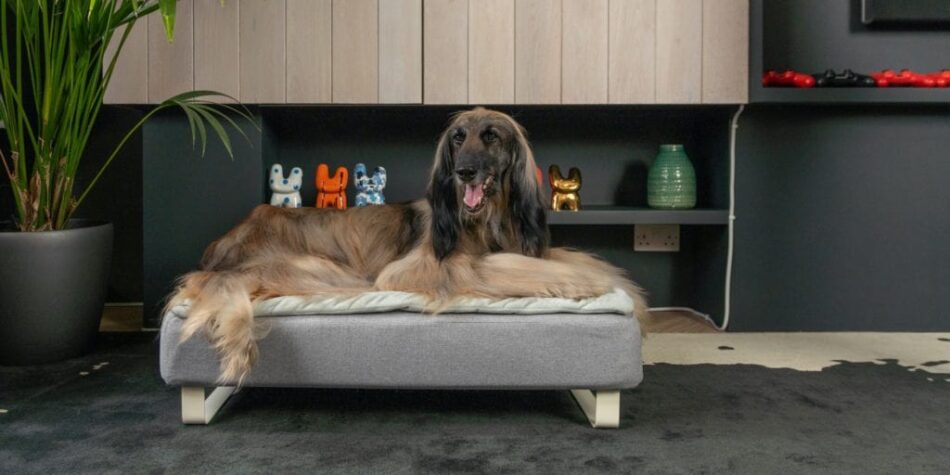
 Child’s Play – Best Dogs for Kids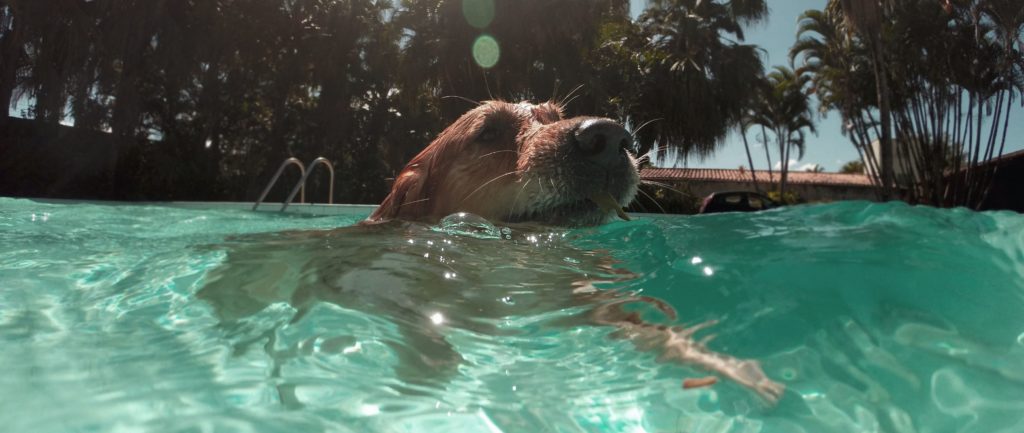
 Don’t Drink the Water