 FREE shipping on orders over $100
  10% off your first order
  180-day guarantee
 400,000 years of keeping it cool: from Ancient Egypt to the Eglu
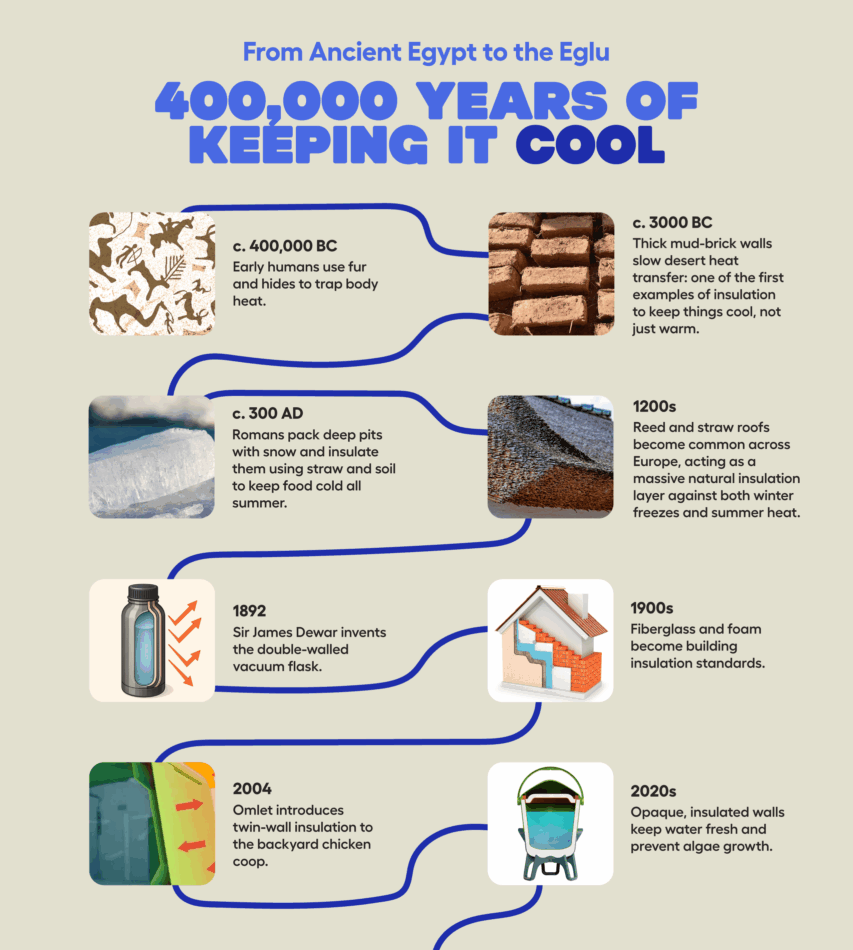
For as long as humans have built shelters, we’ve been trying to outsmart the weather.
From mammoth hides stretched over Ice Age frames to sheep wool stuffed into medieval walls, the quest for keeping things warm, or cool, has driven thousands of years of ingenuity. By the start of the 21st century, we’d become pretty good at insulation. We’d wrapped it around our homes, stitched it into our clothing and built it into products we use every day.
Chicken coops, however, seemed to have missed the memo. When Omlet co-founder James first started keeping chickens, he did what most first-time chicken keepers did: he built a traditional wooden coop. Like most people, he quickly discovered its flaws. It got damp, it was awkward to clean and red mites seemed to view it as a luxury apartment.
There had to be a better way
At the time, James was studying Industrial Design Engineering – a discipline that combines engineering with product design. “Good design is all about choosing the appropriate material.” he says. That simple idea would eventually become the foundation of the Eglu.
The road trip
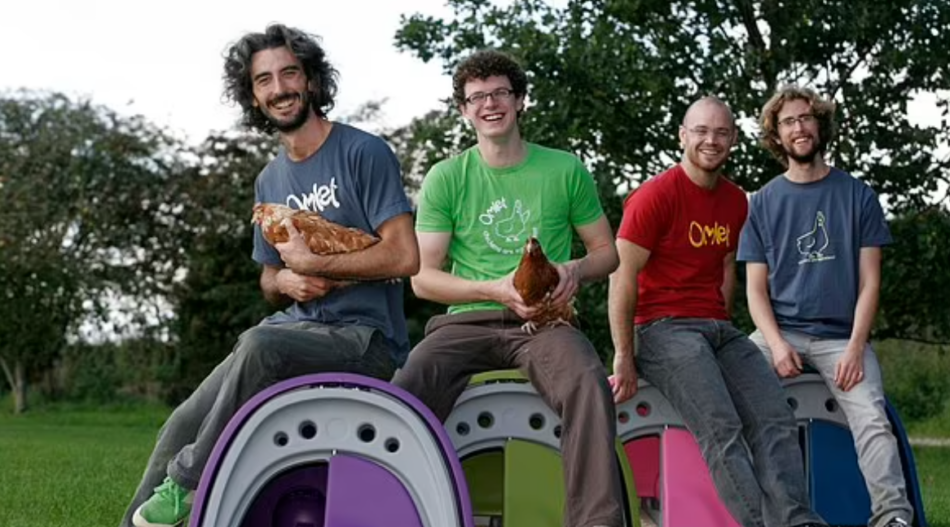
After university, James teamed up with fellow design graduates Simon, Hanns and Will. Together, they set out to rethink chicken keeping from the ground up. Their first step? A road trip around plastic molding factories.
Not quite as glamorous as inventing the next smartphone, but for Omlet it turned out to be a pivotal moment. The team visited manufacturers producing everything from industrial components to marine equipment, looking for ideas that could solve the problems they’d experienced with traditional coops. By the end of the trip, they’d found one. As James recalls, “By the time we came back, we were like, ‘Oh my God. Hollow plastic moldings are totally amazing.”
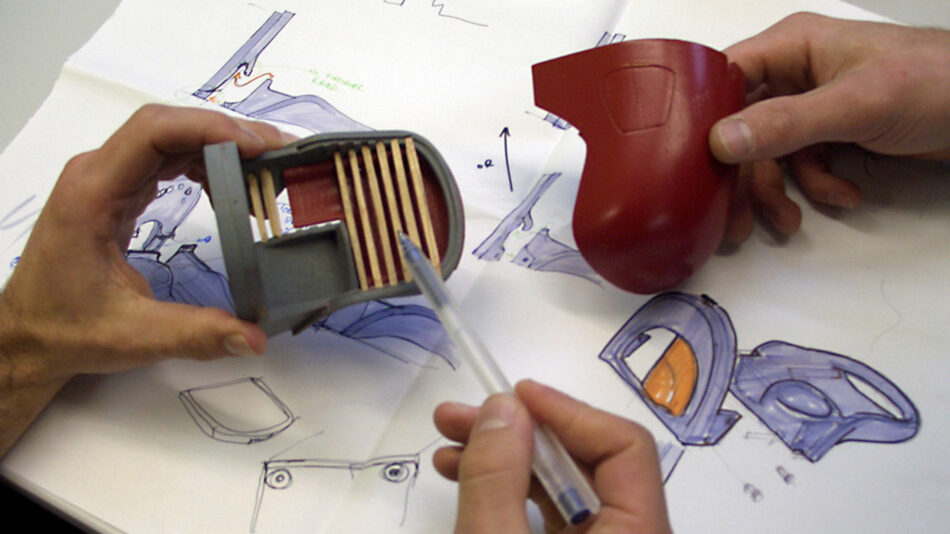
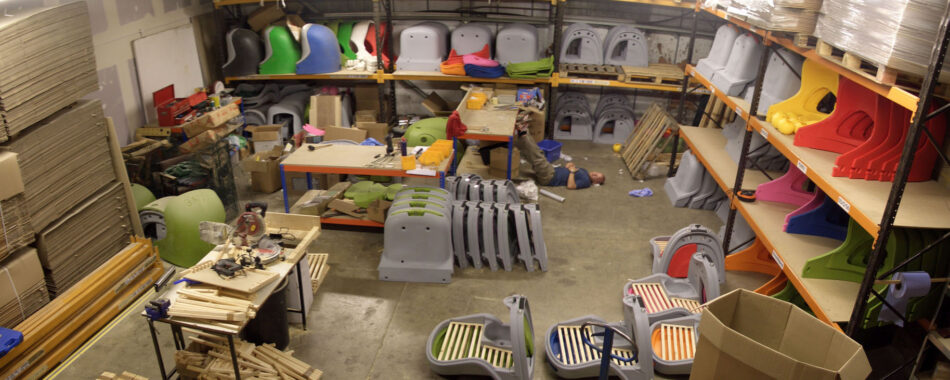
The breakthrough wasn’t simply that plastic was different from wood, it was that twin-wall construction solved multiple problems at once. The hollow walls trapped a layer of air, creating an insulating barrier, while the material itself was strong, easy to clean, resistant to moisture and could be molded into smooth surfaces without the cracks and crevices that red mite love. One design decision solved a surprisingly long list of problems.
More than just warmth
When people hear the word insulation, they tend to think about winter. In reality, it works both ways, helping keep heat out in summer and warmth in during winter. But the trick wasn’t turning the Eglu into a giant thermos flask. Chickens need fresh air just as much as they need protection from the elements, which is why ventilation was designed into the Eglu from the very beginning.
As Omlet Design Manager Josh explains, “Think about walking into a garden shed on a hot day. It’s stuffy, hot and the air feels stagnant.” Traditional coops can suffer from exactly the same problem. The Eglu’s twin-wall construction slows the transfer of heat, while carefully positioned vents keep fresh air moving through the coop. Together, they help regulate temperature, manage moisture and maintain airflow all at once.
The clever bits you never notice
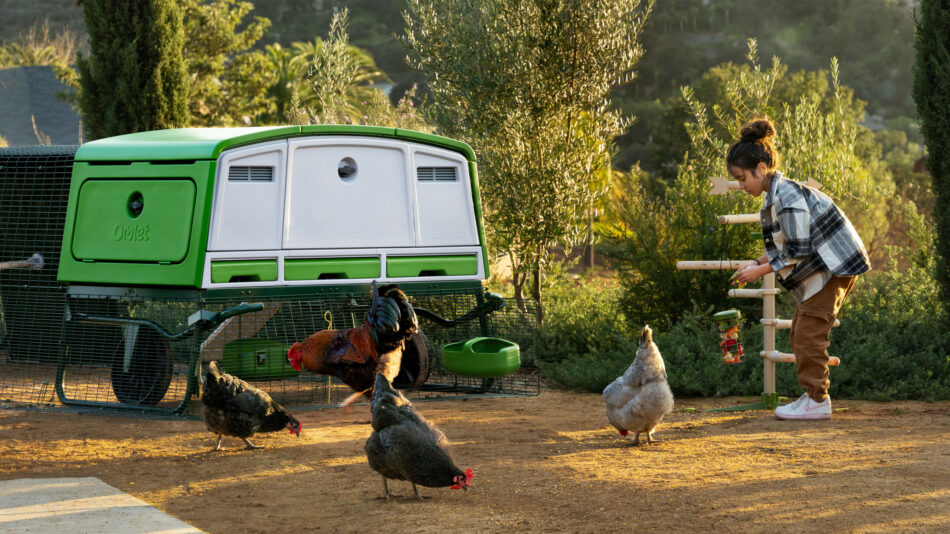
Most Eglu owners probably don’t realize there are more than 15 patented design features hidden inside their coop. Tiny details help direct rainwater away from the coop. Structural features add strength without adding unnecessary weight. Ventilation systems quietly do their job in the background. There are even specially designed channels that stop water creeping into places it shouldn’t. That’s often the hallmark of great design: when something works so well, you stop thinking about it.
Designed for Britain. Loved everywhere.
The Eglu was originally designed for British weather – cold, damp and often unpredictable. What surprised the team was how well the same design worked elsewhere.
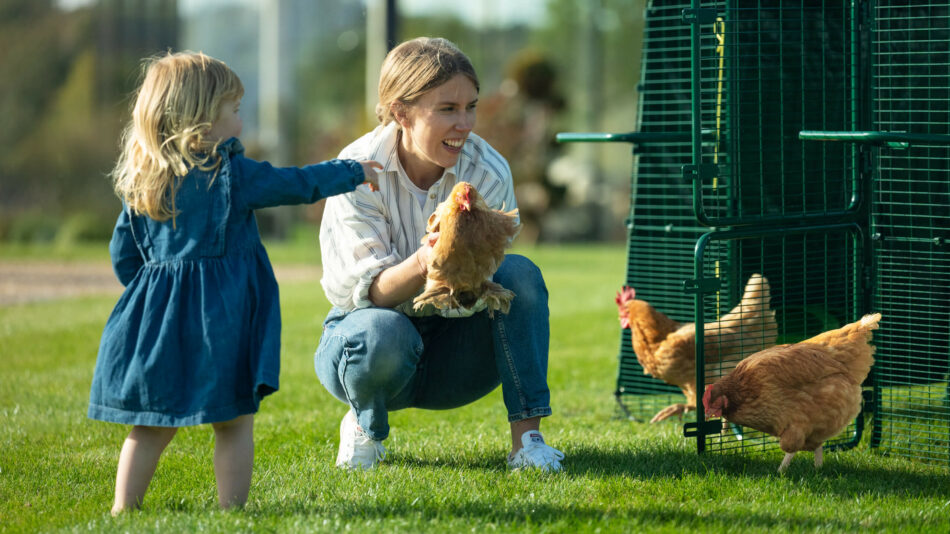
As Omlet expanded around the world, customers began reporting benefits the designers hadn’t specifically planned for. In places like Florida, owners praised the coop’s resistance to humidity, moisture and pests. Others found its robust construction stood up impressively well to extreme weather such as storms.

It turns out that if you design something to survive temperamental British winter, it’ll cope with quite a lot. The Eglu’s impact was even recognized beyond the world of chicken keeping, earning its place in the V&A’s Best of British Design exhibition alongside some of the country’s most iconic innovations. Not bad for a chicken coop.
From coop to cup
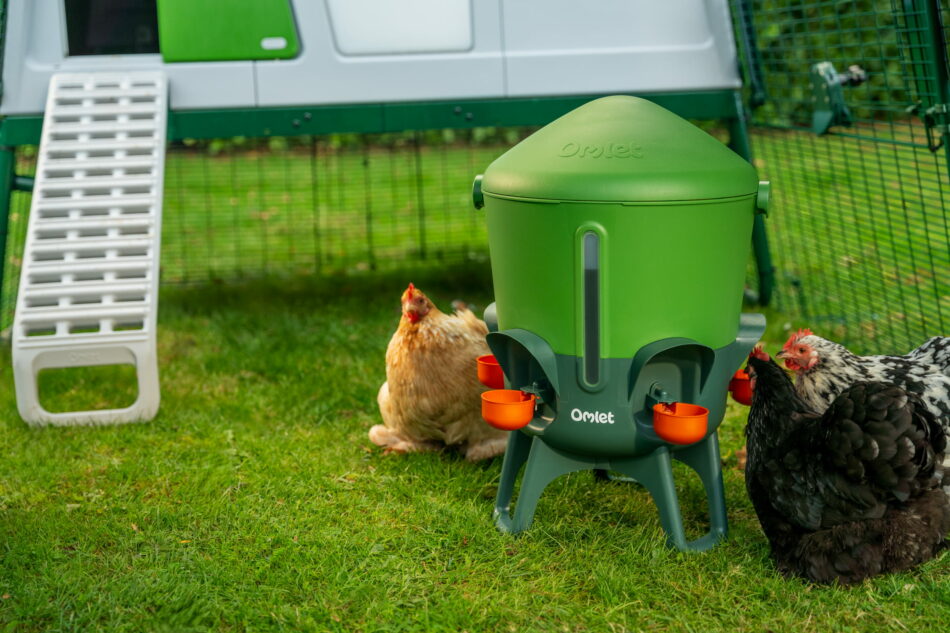
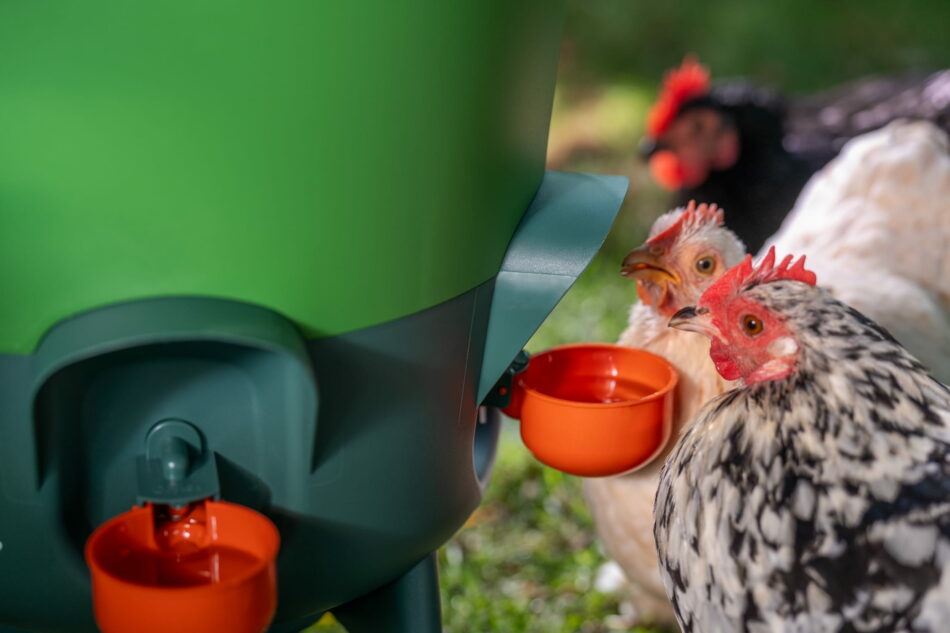
Over the years, one challenge kept cropping up in conversations with chicken keepers around the world: water. In winter, drinkers froze. In summer, they heated up quickly in the sun. Some keepers in hotter climates were even adding ice to their chickens’ water every day and it was still going warm. So, we invented the Insulated Chicken Waterer. Want to know the full story? Read it now.
The Eglu’s place in the history of insulation isn’t about inventing a new material or discovering a new scientific principle. It’s about asking a simple question: why are we still doing it this way? More than 20 years after James, Simon, Hanns and Will first set out to rethink the chicken coop, that question still drives Omlet’s design team today.
This entry was posted in Chickens