 FREE shipping on orders over $100
  10% off your first order
  180-day guarantee
 17 years and 700 chicken blogs later – expert flock advice from Lisa Steele
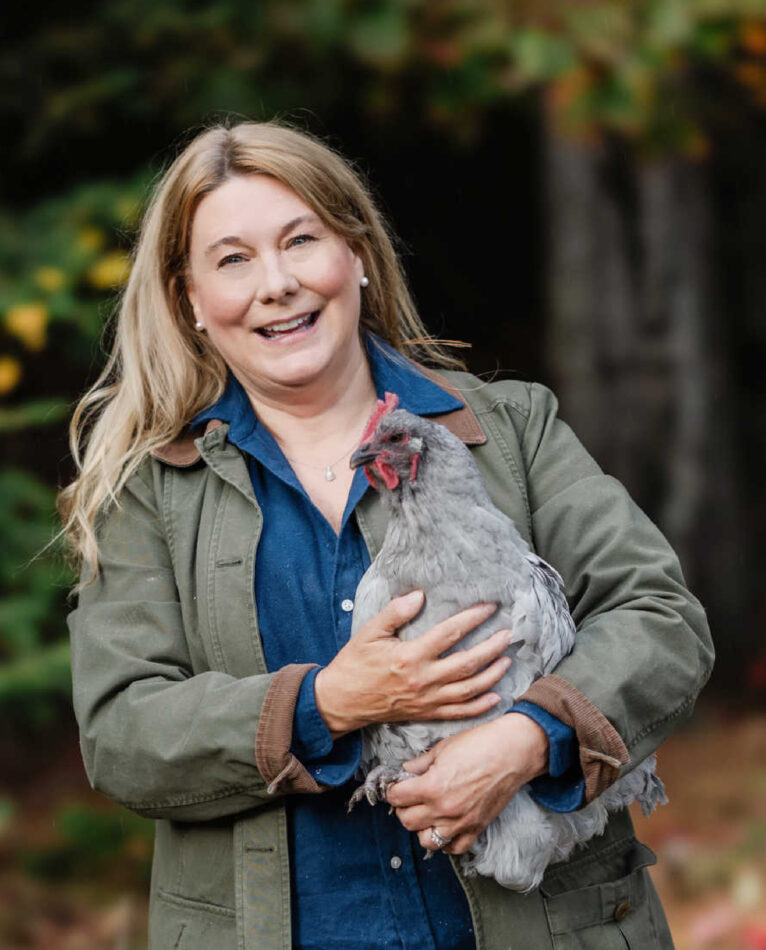
Seventeen years ago, Lisa Steele started a blog because she was answering the same chicken-keeping questions on Facebook again and again. At the time, backyard chickens were becoming increasingly popular in the US, and people wanted to know how to get started. Her solution was simple: write her advice down once and send people a link. “I thought, ’10 or 20 articles and I’ll be good’, I had no idea how much it would grow.” she laughs.
Those blog posts eventually became Fresh Eggs Daily. More than 700 blog posts, multiple books and countless hens later, Lisa has become one of the most recognizable voices in backyard chicken keeping. We spoke to the fifth-generation chicken keeper about what she’s learned along the way – and why, despite all those years of experience, the best chicken-keeping advice is often the simplest.
Chicken keeping doesn’t have to be complicated
Lisa didn’t set out to become a chicken expert. Growing up in Massachusetts, she lived across the road from her grandparents’ chicken farm and spent her childhood around animals. But it wasn’t until later in life, after moving around with her husband’s Navy career, that she started keeping chickens herself.
As more people began raising backyard flocks, Lisa noticed a common theme: many new keepers were overthinking it.“I think people are surprised at how easy it really is,” she says. “Once people get them and work out the routine and find out how everything works, they stick with it.”
Many of the questions she was answering in 2009 are still the questions she hears today. Do hens need a rooster to lay eggs? Why won’t my hen leave the nesting box? What happens when it gets cold in winter? For Lisa, the answer is usually the same: learn the basics, observe your flock and don’t be afraid to adapt as you go.
Prevention beats panic
One of the reasons Fresh Eggs Daily struck a chord with chicken keepers was Lisa’s focus on prevention rather than reacting to problems once they’d already appeared.
“A lot of the information I was reading back then was basically, get your chicks, feed them, give them water and if they die, get another one,” she says. “And I was like, wait, there has to be a more proactive way to do this.” That led her down a rabbit hole of research into natural animal care, herbs and nutrition. She became interested in the idea of supporting chickens before they became sick rather than waiting until there was a problem to solve.
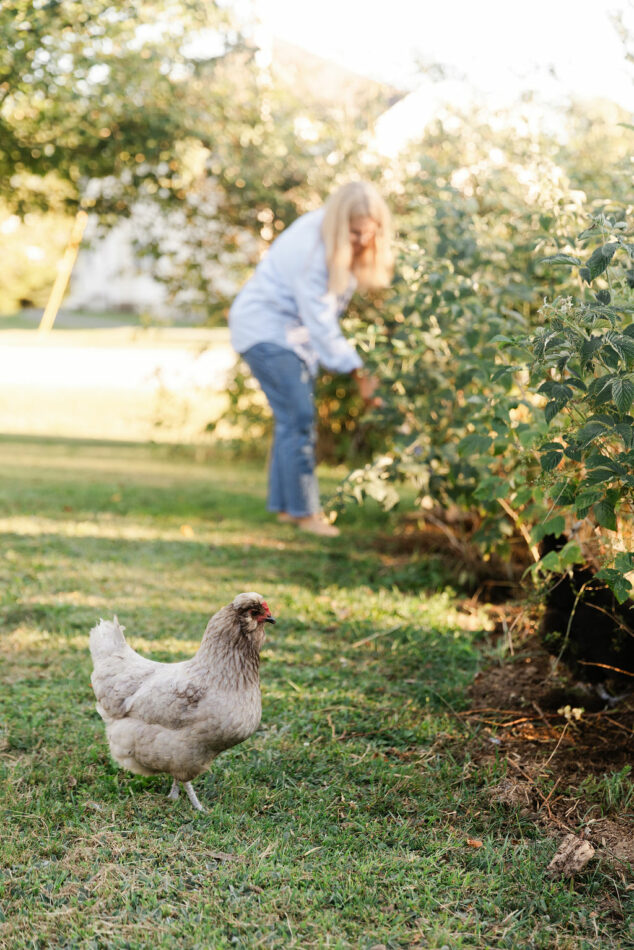
It’s a philosophy she still follows today. “I kind of treat my chickens the same way I treat myself,” she explains. “You take and eat certain things to stay healthy, not just when you’re unwell.“
That mindset eventually inspired her own range of Fresh Eggs Daily poultry products, including an electrolyte powder. “I was making it myself at home with sugar, salt and baking soda and just keeping it in a container, and then thought, I could sell this!” she says. “It’s important to keep on hand. Not just in summer, but if you have chicks that have been shipped, if a chicken has been injured, or really any stressful situation.”
Chickens are tougher than most people think
Despite the number of winter-related questions she receives, Lisa believes people often underestimate how resilient chickens really are. When she moved from Virginia to Maine over a decade ago, plenty of people questioned whether her flock would cope with the freezing winters.
“When we moved to Maine, people said, ‘Are you still going to raise chickens because it’s really cold there?’ But the chickens are so much happier here,” she says. “They handle the cold so much better than the heat.”
One winter morning, temperatures dropped to -18°F. “I was worried they might not have made it through the night! But they all came right out, ate their breakfast, had something to drink and carried on. They went back inside afterwards, but they were far less bothered by the cold than I was.” The experience reinforced something she now tells new keepers regularly: chickens are often much hardier than we give them credit for.

Cool Summer
That’s not to say chickens don’t need a helping hand from time to time. In fact, one of the biggest lessons Lisa has learned is that summer can be more challenging than winter. “People tend not to worry so much about the heat,” she says.” And that’s really when it is more dangerous for the chickens.”
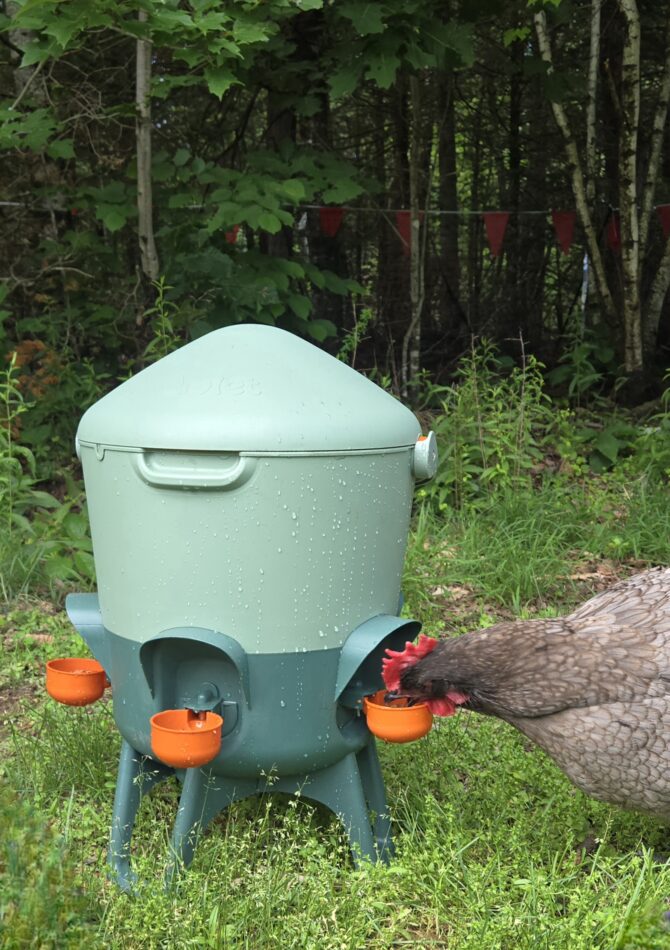
Keeping water cool for her flock is one of Lisa’s priorities during hot weather. Alongside regular water changes, she’s been using Omlet’s Insulated Chicken Waterer.
“I love the Omlet Waterer,” she says. “The design is really nice and sturdy. It’s easy to fill, and I’m excited because I can add my electrolytes right into it.” Lisa also likes that the insulated design helps keep water cooler for longer and suggests adding ice or frozen water bottles during particularly hot weather.
For Lisa, summer flock care is also about paying attention to your flock’s behavior. “If you see them standing with their mouths open, holding their wings out from their body, sitting down a lot or standing with their eyes closed, those are signs that they need a little extra help,” she explains. Alongside cool water, good ventilation, shade and hydrating treats can all help chickens stay comfortable when temperatures rise.
Lisa’s advice remains refreshingly straightforward: start with good information, focus on prevention and don’t overcomplicate things. Whether you’re bringing home your first hens or caring for a long-established flock, the basics still matter most.
You can read Lisa’s blog and shop her products at Fresh Eggs Daily.
This entry was posted in Chickens
One reply on “17 years and 700 chicken blogs later – expert flock advice from Lisa Steele”
I love everything about my new chicken waterer. The window that tells you how much is in there and the insulation is the best. I hope you make one double the size. I put ice cubes in mine every few days to help with the Florida heat, it works perfectly!