 FREE shipping on orders over $100
  10% off your first order
  180-day guarantee
 More than just eggs: How keeping chickens changes how you see food
Ask most people why they keep chickens and the answer is usually the same: eggs.
Fresh eggs, to be precise. Eggs with vibrant yolks, collected from the garden just moments before breakfast. It’s a good reason to keep hens, but it’s rarely the only reason people stay hooked.
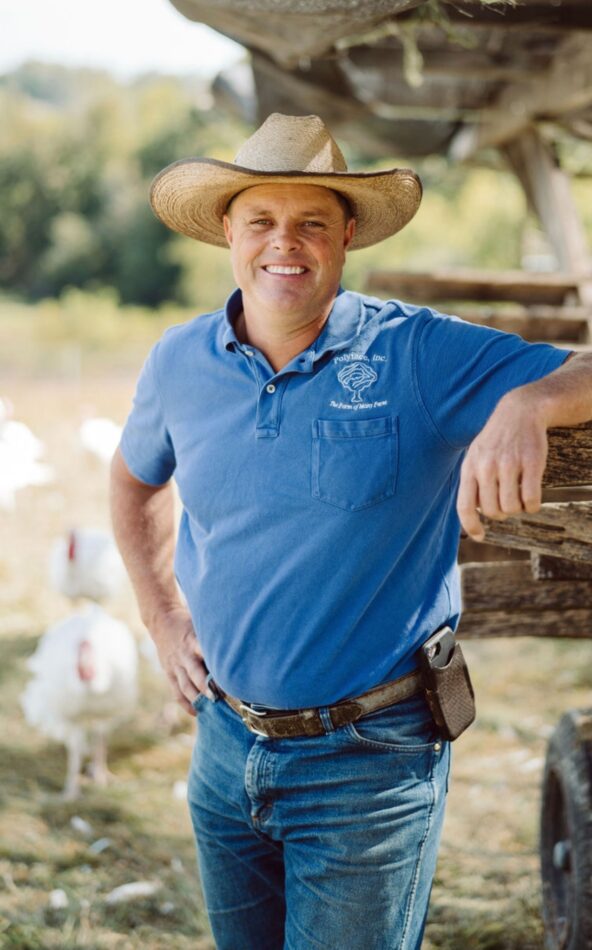
We spoke to regenerative farmer Daniel Salatin of Polyface Farm in Virginia, USA. Having grown up at Polyface Farm, one of America’s most influential regenerative farms, Daniel now helps manage the family business while mentoring aspiring farmers through the farm’s renowned stewardship programme. When it comes to chickens, he believes their value goes far beyond what’s waiting in the nest box each morning.
Once you’ve welcomed chickens into your life, something unexpected happens.
You start paying attention. You notice the seasons more. You become more aware of what you throw away. You begin to understand the rhythms of nature in a way that simply isn’t possible when everything arrives neatly packaged from a supermarket shelf.
Daniel describes chickens as brilliant recyclers. “They can be eating something you discarded last night and you can eat the egg tomorrow,” he says. “How real-time energy transfer is that?” It’s one of the things he believes chickens do better than any other farm animal. They transform waste into what he calls “valuable recycled food” – fresh eggs produced just days after scraps that would otherwise have been thrown away.
Keeping chickens has a way of changing how you think about waste in the first place. Vegetable peelings, leftover rice, fruit that’s gone slightly soft or salad that’s seen better days suddenly become resources rather than rubbish. Instead of heading straight for the bin, food scraps become part of a cycle that eventually returns to the kitchen in the form of fresh eggs.
And that’s where chickens become about much more than eggs.
For Daniel, one of the greatest joys of keeping chickens is “the wonder of collecting your own food out of a nesting box, out of your own chickens, out of your own backyard.”
There’s a difference between knowing where an egg comes from and collecting one yourself. One is information, the other is experience. For many chicken keepers, that simple act changes the way they think about food altogether. Leftovers stop feeling like waste. The garden starts to feel more alive. A few hens scratching around outside can make the whole system feel more connected.
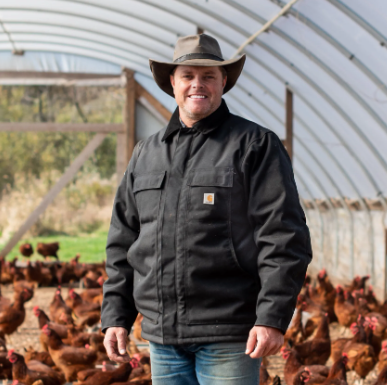
The more time you spend with chickens, the more you notice their habits and personalities. Daniel points out that hens are far more habitual than many people realize, often following the same routes around a garden day after day. There’s both comfort and wonder in that rhythm. Watching chickens go about their daily routines has a way of slowing us down and encouraging us to pay attention to the small things too.
Chickens also have a way of reconnecting us with the seasons. Modern grocery stores offer the same foods year-round, but hens still follow nature’s timetable. Spring often brings a burst of activity – new chicks, longer days, more regular egg laying, while shorter winter days can slow production down. For new chicken keepers, it can be surprising that egg laying isn’t the same all year. Hens respond to day light, weather and the natural rhythms of the year. Over time, keepers can find themselves more in tune with seasonal changes, noticing the first signs or spring or fall through the behaviour of their flock.
Rather than seeing chickens as endless egg machines, Daniel encourages keepers to “appreciate the chicken for the life that is well lived“. It’s a philosophy rooted in respect – recognizing what animals give us, caring for them well and understanding their place within the wider cycle of nature.
In a world where we’re increasingly disconnected from food production, chickens offer something rare: perspective. They remind us where food comes from, what goes into producing it and how rewarding it can be to play a small part in the process. As Daniel puts it: “Knowing where food comes from is one thing. Collecting your own food from your own backyard – that’s the awe of it, that’s the passion of it.”
The eggs might be what bring people to chicken keeping in the first place, but the wonder is what keeps them there.
This entry was posted in Chickens