 FREE shipping on orders over $100
 10% off your first order
 180-day guarantee
A Guide to Chicken Hatcheries
Bringing home baby chicks is one of the most rewarding ways to start a backyard flock. A reputable hatchery helps you begin with chickens that are healthy, properly cared for, and suited to your goals. Whether you want a steady supply of fresh eggs, friendly family pets, or a colorful mix of breeds, choosing the right hatchery and preparing a safe home makes all the difference.
Table of Contents
What Is a Chicken Hatchery?
A chicken hatchery is a specialised business that incubates and hatches fertile eggs into baby chicks to sell to farms and backyard chicken keepers. Hatcheries may specialize in egg-laying breeds, heritage chickens, rare breeds, bantams, meat birds, or mixed assortments, giving you far more choice than a typical farm store.
Many hatcheries let you reserve chicks months before their hatch date, which is particularly useful for popular spring deliveries. Planning your breeds in advance helps you build a flock with your goal mix of egg colors, temperaments, sizes, and climate suitability for where you live.
How Do Chicken Hatcheries Work?
Hatcheries carefully manage temperature, humidity, turning schedules, and cleanliness so fertile eggs can develop properly. Chicks hatch after around 21 days of incubation and are checked before being prepared for collection or shipping.
From egg incubation to chick hatching
- Fertile eggs are placed in incubators that recreate the steady warmth and humidity of a broody hen.
- Eggs are turned regularly during development so the embryo grows properly.
- Around day 18, eggs are moved into a hatching area where chicks can safely emerge.
- Newly hatched chicks stay in the hatchery until their feathers have dried and they are active enough to travel.
How hatcheries care for newly hatched chicks
- Hatchery staff sort chicks by breed, sex, and delivery destination.
- Chicks are usually shipped shortly after hatching because they can absorb nutrients from their yolk sac during the first part of their life.
- Hatcheries can vaccinate your chicks before they leave the hatchery too.
How to Choose a Reputable Chicken Hatchery
The best hatcheries have NPIP (National Poultry Improvement Plan) certification, share clear health information, detailed breed profiles, transparent shipping and loss policies, and responsive customer support. Three well-established options worth comparing are Meyer Hatchery, McMurray Hatchery, and Cackle Hatchery. Each carries a wide range of breeds and provides detailed availability calendars to help you plan.
Check breed availability and hatch dates
- Start planning early, particularly if you want popular breeds such as Silkies, Easter Eggers, Orpingtons, or Rhode Island Reds.
- Compare breed details carefully, including expected egg production, egg color, temperament, adult size, and climate suitability.
- Choose a hatch date that gives you enough time to set up your brooder and be home when the chicks arrive.
- A mixed flock can be brilliant fun, but keep similar-sized breeds together so smaller chicks are not pushed away from food or water.
Review health guarantees and vaccination options
- Read the hatchery’s live-arrival and chick-health policy before ordering.
- Check whether vaccination options are available and whether they suit the health risks in your area.
- Ask what steps the hatchery takes if chicks arrive unwell or do not survive delivery.
- Keep your order confirmation, delivery details, and clear photos if you need to contact the hatchery after arrival.
Read customer reviews and shipping policies
- Look for recent reviews that mention chick condition, breed accuracy, communication, and the handling of delivery issues.
- Read the shipping policy closely, including delivery days, weather restrictions, pickup requirements, and replacement terms.
- Choose a hatchery that provides clear guidance for receiving chicks quickly and safely.
- Avoid ordering during periods of extreme heat or cold if delivery conditions may put chicks at risk.
Ordering Baby Chicks From a Hatchery
Ordering chicks online gives you access to a far wider selection than most local stores can offer. That said, your chicks need a safe, warm space ready from the moment they arrive, not after the delivery box is opened.
Choosing your breeds
We asked the team at Meyer Hatchery how a first time chicken keeper should go about choosing their breeds.
“It depends on your wants, needs and climate. Are you looking for a certain egg color, high production, friendliness or a specific color of bird? If you live somewhere that gets very cold, a small comb size is helpful.” says Linda.
What about a mixed flock? Can they live happily together? “They sure can! Pecking order is generally worked out as chicks while still in the brooder.” explains Katie.
“You just want to ensure you are picking breeds with similar personalities and that you have enough space for the number of birds you have.” adds Amber.
“And I would try to keep similar sizes. If you are adding smaller birds to a flock with larger birds, I would not add just a single small bird, go with multiple so it will have friends.” says Linda.
Minimum chick order requirements
Many hatcheries require a minimum number of chicks for safe shipping, particularly during cooler weather. The minimum can vary by hatchery, location, and time of year.
- If you only want a small flock, look for assortments, local pickup options, or hatcheries with lower minimum orders.
- Chickens are social animals, so plan for at least three rather than keeping a single chick alone.
When to place your order
So when should chicken keepers be planning and ordering their spring chicks? “A season ahead” says Allison from Meyer Hatchery. “A lot of people do not realize that hatcheries release their yearly inventory at once. If you want May chicks of a certain breed, be ready to place the order for them in the fall!”
- Place your order as early as possible for spring and early summer hatch dates.
- Popular breeds can sell out well before the season begins.
- Choose a delivery week when you can collect the chicks promptly and monitor them closely for their first few days.
- Avoid scheduling delivery around travel, holidays, or times when your home will be unattended.
How chicks are shipped safely
Day-old chicks travel in ventilated boxes designed to keep them together and warm. Hatcheries typically coordinate shipments so chicks spend as little time in transit as possible.
When your chicks arrive:
- Collect them from the post office as soon as you are notified.
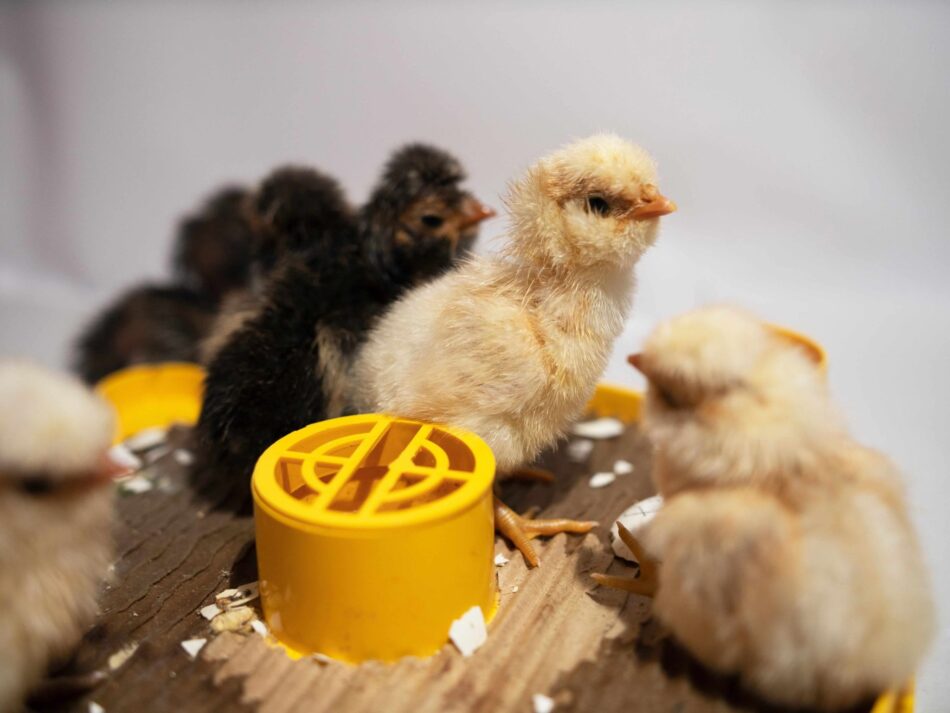
- Place them straight into a pre-warmed brooder and offer clean water right away.
- Dip each chick’s beak gently into the water to encourage them to drink.
Healthy chicks should arrive alert, dry, bright-eyed, and able to stand and move around.
What do you need in place before bringing chicks home?
“Have the brooder ready to go.” says Linda from Meyer Hatchery. “It is nice to bring the chicks home and not stress that you need to get things ready quickly. It helps to have it warmed up for the chicks ahead of time so they will be comfortable as soon as you put them in it. A common mistake is not keeping chicks warm enough, especially at night.”
“There are so many unsafe and ill-equipped brooder set ups and it is unfortunate because it really is not difficult if you do your research and understand what is required and how to set it up! Meyer Hatchery has a submission form where you can submit a picture of your brooder and receive feedback.” adds Allison.
“The temps need to be a constant temp. 95 degrees the first week then you would drop 5 degrees a week till you reach 70. Maintain at 70 until they are fully feathered out.” explains Susan.
Your chick ready checklist:
- A brooder
- A heat source
- Chick starter feed
- A chick friendly feeder and waterer
- Chick-safe bedding
Questions to Ask Before Choosing a Hatchery
Use this checklist when comparing hatcheries to make sure you have all the information you need before you commit to an order:
- Which breeds are available for my preferred hatch date?
- Are the chicks sexed, straight-run, or sold as unsexed chickens?
- What is the current minimum order for shipping to my area?
- What health guarantee applies to live arrival and the first days after delivery?
- Are vaccinations available, and what are they intended to protect against?
- How are chicks shipped, and what should I do if there is a delivery delay?
- Does the hatchery offer breed substitutions if my selected chicks are unavailable?
- What temperament, egg production, and space needs should I expect from each breed?
Key Takeaways
- Choose a hatchery with clear policies, strong customer feedback, and detailed breed information.
- Compare Meyer Hatchery, McMurray Hatchery, and Cackle Hatchery to find breeds and hatch dates that work for your flock.
- Order early for the best choice of breeds and spring delivery dates.
- Prepare a warm brooder before chicks arrive and check on them closely during their first week. “Don’t wait until they arrive to set up! Think about it like a newborn. You already have the crib and supplies on hand.” recommends Meghan from Meyer Hatchery.
- Plan for a secure outdoor home, clean feeders, fresh water, and enough space as your chickens grow.
Omlet and Your Flock
Raising chicks is the beginning of a long, rewarding relationship with your flock. As your chickens grow, an easy-to-clean Omlet Eglu chicken coop gives them a secure, comfortable home designed for everyday chicken keeping. An Omlet Walk In Run creates more protected outdoor space for scratching, dust bathing, and stretching their wings.
With the right hatchery, thoughtful preparation, and a safe Omlet setup, your new chicks can grow into healthy, happy hens.
This entry was posted in Chickens