 FREE shipping on orders over $100
  10% off your first order
  180-day guarantee
 Hydrating your flock with The Poultry Doc

When temperatures rise, water becomes a vital part of chicken care. In hot weather, how that water is presented – temperature, cleanliness, accessibility – can make a real difference to how much your flock actually drinks. We spoke to Blayne Mozisek (A.K.A The Poultry Doc) to get a deeper understanding of how important water is for your flock’s health, especially in the hotter months.
“Water is the most important nutrient for chickens,” says Blayne.“Clean, fresh water is paramount to anything else.”
1. Spot the signs of dehydration
One of the earliest warning signs of dehydration is much more visible in chicks.
“The skin will be drawn up around their shanks,” Blayne explains. “That vein starts to stand out.” In older birds, the signs are more subtle – skin that doesn’t bounce back quickly, reduced activity, or simply a drop in normal behavior. In more serious cases, birds may stop drinking altogether, which is often a sign that something deeper is going on. “In critical situations when birds go off water, there’s typically a larger issue at play.”
2. A sudden stop in laying is often linked to water intake
Egg production is far more fragile than many keepers realize – and heavily dependent on hydration. “An egg is mainly water,” says Blayne “If you impact the supply of water, hens can stop laying almost immediately.” In fact, vets sometimes use controlled water restriction in very specific medical situations to temporarily halt laying while a bird recovers. For backyard keepers, though, the takeaway is simple: if eggs suddenly stop during hot weather, water quality, temperature and easy access should be the first things you check.

3. Clean water matters more than anything else
Water quality plays a bigger role in flock health than most people realize. If their water isn’t clean, it can lead to algae, which can lead to biofilm – and that stuff is full of harmful bacteria. That slippery green build-up in waterers isn’t just unpleasant – it can affect both hen health and overall hygiene in the coop.
“There are tons of studies that show biofilm can contain some really nasty bugs,” Blayne explains, including bacteria like listeria.
Blayne’s advice is simple: “Keeping the water clean, preventing algae, keeping the biofilm out… can all have long-term impacts on overall health.”
4. Temperature matters – but extremes are what to avoid
One of the most common questions in summer is whether chickens should have ice-cold water. The answer is more nuanced than a simple yes or no. Blayne explains that chickens don’t necessarily benefit from water that is ice cold, and in some cases it can reduce how willing they are to drink. “A lot of people relate water to how we as humans want water when we’re hot,” he says. “But that’s not always the case.”
Extremely cold water can be off-putting, particularly for younger birds, while very warm water in hot weather can also reduce intake. The sweet spot is consistently fresh, cool water that stays stable throughout the day – shaded, protected and refreshed regularly. In prolonged heat, adding small amounts of ice to the Omlet Insulated Waterer can help moderate temperature, but the goal isn’t to make the water freezing cold – it’s to prevent it from becoming uncomfortably warm. This is where consistency matters more than anything else: stable access to drinkable water throughout the day, rather than large temperature swings.
5. Electrolytes aren’t essential – but have a place
Walk into any farm store in summer and you’ll find shelves of electrolyte powders and vitamin mixes promising to “boost” hydration. But the Poultry Doc is clear that these aren’t always necessary. “The idea that you need to have vitamins and electrolytes in your water all the time is not true.”
That said, there are specific situations – such as heat stress – where they can support recovery. “When birds pant, they blow off CO2,” he explains, which can affect internal balance and even egg quality in some cases. Used occasionally and appropriately, electrolytes can play a positive role, but Blayne doesn’t believe they should replace the foundation of flock health.
The takeaway
Summer chicken care doesn’t need to be complicated. It comes back to the basics: clean water, stable conditions and keeping your flock drinking consistently through the day. “Good, clean and adequate supply of fresh water is critical,” says Blayne. And in hot weather, how that water stays cool, clean, and accessible can make all the difference.
You can find more tips and information on chicken health and more on https://thepoultrydoc.com/
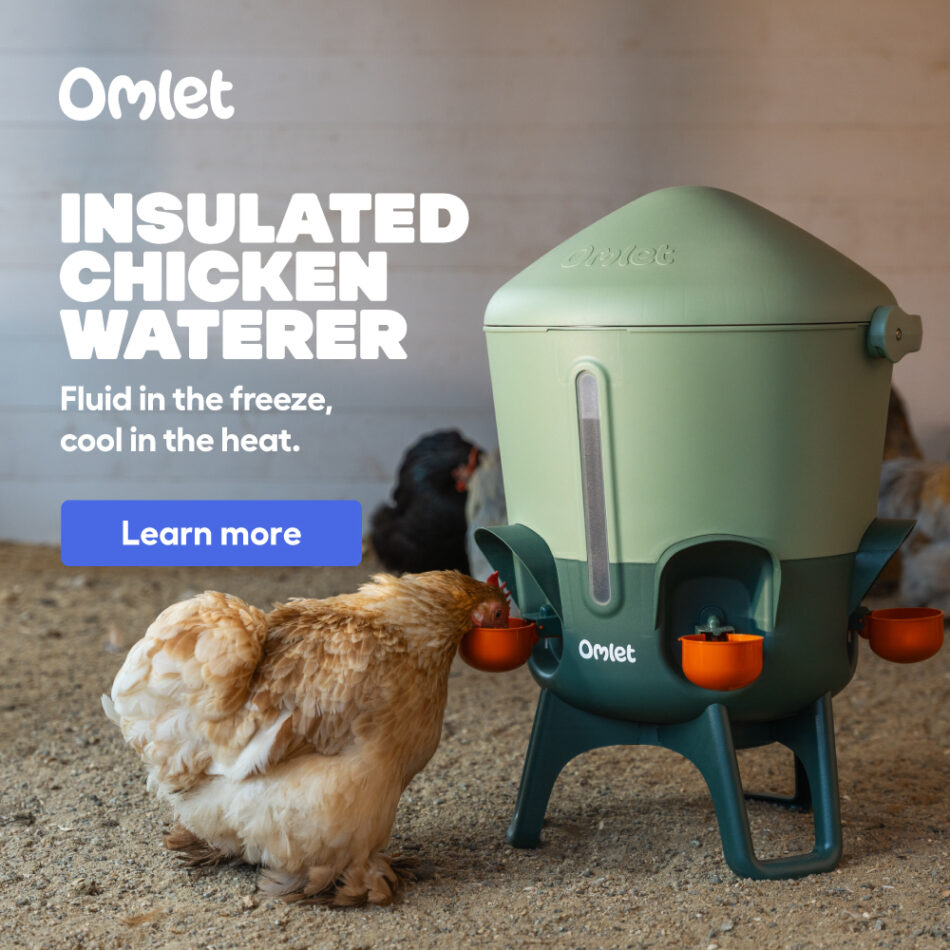
Adding an Omlet Insulated Chicken Waterer to your setup is a great way to ensure you’re aligning with The Poultry Doc’s advice. Its opaque design blocks 99% of light, resulting in no algae or bacteria build up, the insulation keeps water cool and fresh, and it has a water level window so you can easily see when it needs filling.
This entry was posted in Chickens