 FREE shipping on orders over $100
  10% off your first order
  180-day guarantee
 Chicken Breeds: A Beginner’s Guide to Finding Your Flock
Choosing your first chickens is about more than picking the prettiest feathers. The right flock should suit your space, local climate, egg goals, and family routine. From dependable brown egg layers to sociable hens with colorful eggs, there is a breed for every kind of backyard keeper.
Whether you’re drawn to a steady supply of fresh eggs, a friendly companion for the kids, or simply the joy of watching chickens explore the backyard, the best place to start is understanding what you actually need from your flock before you choose a breed.
What to Consider Before Choosing a Chicken Breed
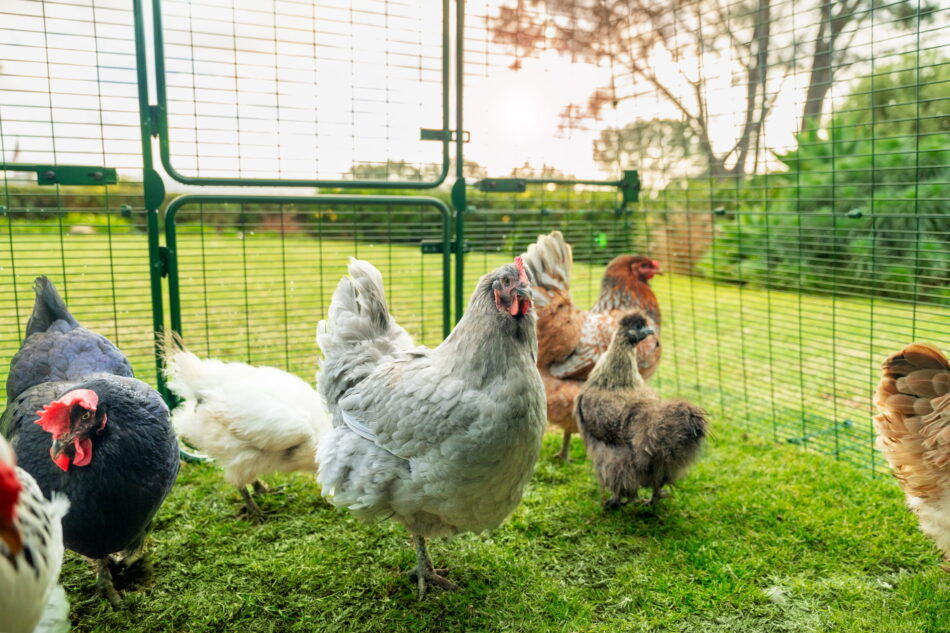
A happy flock starts with hens that fit your lifestyle, not just your egg basket. Consider how many eggs you want, how much time your family will spend with the chickens, and the conditions in your backyard, specifically your local climate and how much space you have.
Getting these fundamentals right before you choose a breed makes everything else easier.
Egg Production and Egg Color
Some breeds lay five or more eggs each week, while others lay fewer but may produce blue, green, or deep chocolate-brown shells. It’s worth knowing that egg color comes from the breed, but shell color doesn’t change the nutrition or flavor of the egg.
- Choose reliable layers when a steady supply of fresh eggs is your priority.
- Mix breeds when you want a colorful egg basket as well as a range of personalities.
- Consider hybrid breeds if you want the highest possible lay rate, as many hybrids are bred specifically for consistent production.
Temperament and Family Fit
Calm, curious breeds are often easier for first-time keepers and families with children. Friendly hens can become a regular part of backyard life, especially when they’re handled gently and consistently from a young age.
More active or independent breeds can still make wonderful pets, but may be less interested in cuddles or being picked up. The good news is that with the right setup, even livelier breeds settle into a comfortable routine.
Climate and Space Needs
Where you live matters as much as what you want from your flock.
- Cold-hardy breeds usually have dense feathers and smaller combs that help protect them in winter weather.
- Heat-tolerant breeds often have larger combs and lighter body types that help them stay cooler in warm climates.
- Larger breeds need more room to move, perch, and dust bathe than smaller bantam breeds.
Give every flock a safe outdoor area with room to scratch, forage, and stretch their wings. An Omlet Walk In Chicken Run is suitable for all weathers and can be fitted with covers for extra protection in rain, wind, or strong sun.
The Best Chicken Breeds for Fresh Eggs
Egg-laying breeds can provide a steady supply of fresh eggs while bringing personality and variety to your backyard. Most hens begin laying at around five to six months old, though this can vary by breed, season, and daylight hours. If a reliable daily egg is the goal, the breeds below are a brilliant place to start.
Reliable Brown Egg Layers
These are the workhorses of the backyard flock. All four are well-suited to beginner keepers and consistently rank among the most popular choices in the US.
- Rhode Island Red – Hardy, confident, and adaptable, laying around 5-6 eggs per week.
- Plymouth Rock – Friendly and calm with striking barred feathers, producing around 4-5 eggs per week.
- Buff Orpington – Gentle and fluffy, great with families, and a reliable layer of 3-5 eggs per week.
- Australorp – Calm, glossy black, and a strong layer at 4-5 eggs per week.
Whichever layers you choose, consistent egg production is easier when feed is always available and nothing goes to waste. The Omlet No Waste Chicken Feeder is designed so chickens eat every ounce with no spill, ensuring they get the nutrients they need to continue laying reliably.
Breeds Known for Colorful Eggs
A mixed flock creates a colorful egg basket without changing the taste or quality of your fresh eggs. If you’d like a rainbow of shells alongside your daily haul, these breeds are the ones to look at.
- Ameraucanas and Easter Eggers can lay blue, green, or olive-colored eggs and are popular for their friendly personalities.
- Cream Legbars are known for beautiful blue eggs and active, curious natures.
- Marans are famous for rich, dark brown eggs that can look almost chocolate-colored.
- Olive Eggers are crossbreeds that can produce deep olive-green eggs, combining the traits of blue and dark brown egg layers.
Good to know: Egg shell color is entirely determined by genetics. It has no effect on the flavor, nutrition, or freshness of the egg inside.
The Friendliest Chicken Breeds for Backyard Keepers
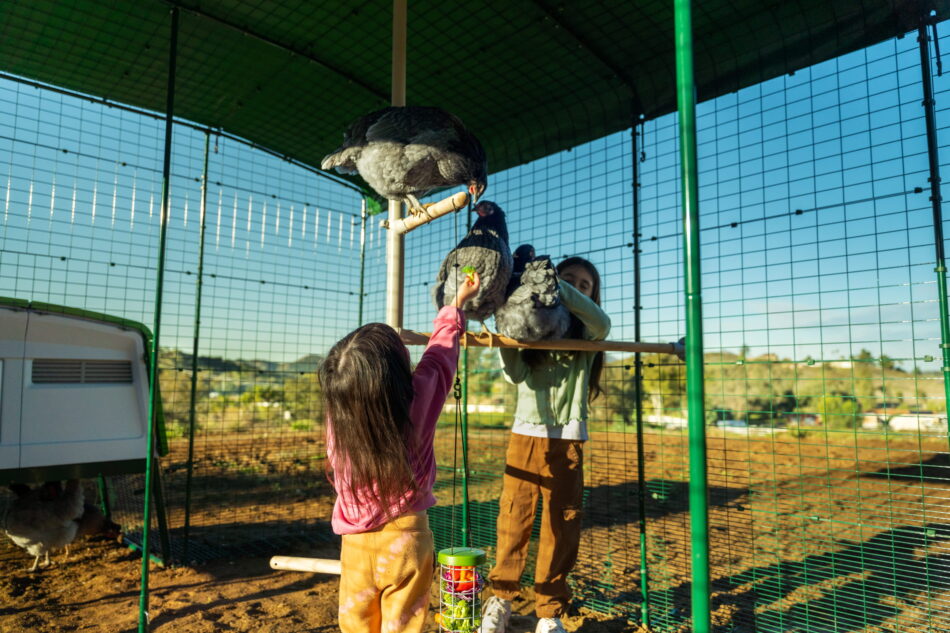
Chickens can be entertaining, affectionate backyard companions as well as reliable egg layers. Gentle breeds are often the best choice for new keepers who want to spend time getting to know their flock, and they’re particularly well suited to households with children.
Calm Breeds for Families
These breeds are known for their relaxed temperaments and willingness to be around people. They’re a great choice if you’d like chickens that are easy to handle and happy to share the backyard.
- Buff Orpingtons are fluffy, patient hens that often fit beautifully into family backyards. They’re rarely flighty and tend to be happy being picked up.
- Silkies are small, soft-feathered chickens with a calm temperament and a distinctive, almost fluffy appearance that children tend to adore.
- Cochins are gentle, round-bodied hens that are often happy to take life at a slower pace and rarely cause trouble in a mixed flock.
- Brahmas are large but usually docile chickens that can become relaxed, confident members of the flock.
A comfortable Omlet Chicken Perch gives calmer hens a favorite place to rest and watch the backyard, which is especially appealing to heavier breeds that appreciate a low, sturdy roosting spot.
Chickens That Enjoy Human Company
Some breeds go beyond tolerating human contact and actively seek it out. These are the chickens that greet you at the run door and follow you around the garden.
- Sussex chickens are curious, confident, and often eager to greet their keepers. Speckled Sussex hens are particularly known for their striking feathers and personable nature.
- Plymouth Rocks can be friendly and adaptable, especially when handled from a young age.
- Australorps often make easygoing companions while continuing to lay consistently, which makes them a brilliant all-rounder for first-time keepers.
Practical tip: Offer occasional chicken-safe treats by hand and keep interactions calm to build trust over time. Consistency matters more than frequency when it comes to bonding with your flock.
Choosing the Right Breed for Your Backyard
Once you’ve thought through eggs, temperament, and climate, it’s time to put it all together. Here’s a practical checklist to work through before you bring your first chickens home.
Before You Buy: A Practical Checklist
- Start small. A flock of three to six hens gives you enough variety to enjoy without becoming overwhelming as a first-time keeper.
- Match your breeds. Choose chickens with similar size, temperament, and climate needs for a more harmonious flock dynamic.
- Check local rules. Many towns and cities have ordinances covering flock size, coop placement, and roosters. It’s worth confirming what’s permitted in your area before you commit.
- Plan your setup first. Secure housing, feed and fresh water, shade, and enough outdoor space should all be in place before your chickens arrive.
Setting Up for Success
A flexible setup grows with your flock. The Eglu Cube Chicken Coop is a great starting point for backyard keepers, offering easy cleaning, excellent insulation, and strong predator resistance. Pair it with an Omlet Walk In Chicken Run to give your flock a safe, spacious area to roam, and add Omlet Chicken Fencing to extend their free-ranging area when you’re ready.
The right housing makes daily care straightforward for every member of the family, whatever breeds you end up with.
Whatever combination of breeds you choose, the fundamentals are the same: a safe place to sleep, clean food and water, and enough space to behave naturally. Get those right and your flock will thrive.
Key Takeaways
- Choose chickens based on your egg goals, temperament preferences, local climate, and available space.
- Rhode Island Reds, Plymouth Rocks, Buff Orpingtons, and Australorps are dependable choices for a steady supply of fresh brown eggs.
- Ameraucanas, Easter Eggers, Cream Legbars, Marans, and Olive Eggers bring color and variety to the egg basket.
- Buff Orpingtons, Silkies, Cochins, Brahmas, Sussex, and Plymouth Rocks are strong options for friendly, family-focused backyard flocks.
- A secure coop, protected run, clean feeder, and fresh water help every breed thrive.
- Start with three to six hens, check your local rules, and have your setup ready before your chickens arrive.
Omlet and Your Flock
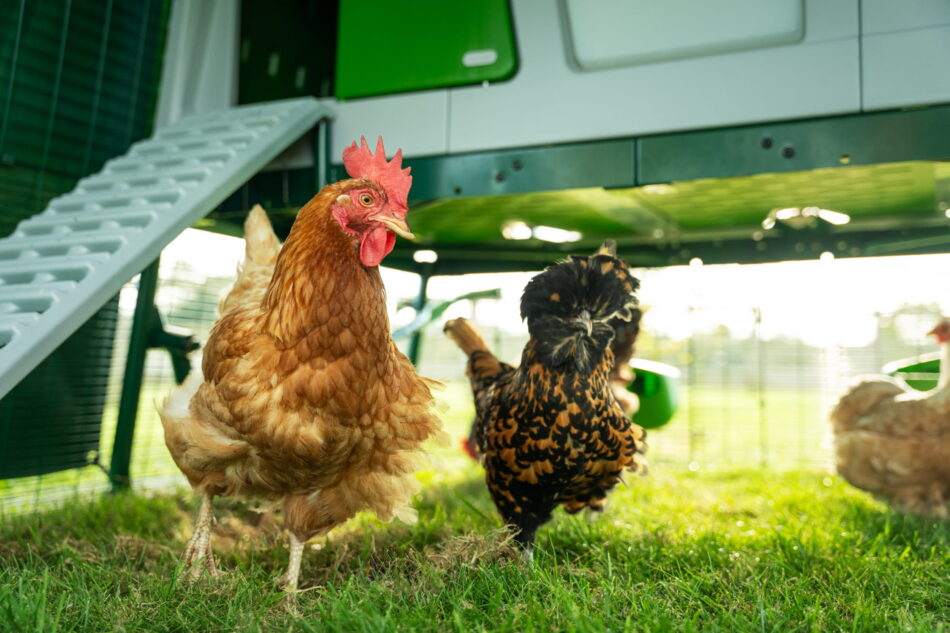
Your flock is more than a source of fresh eggs. They’re curious, entertaining backyard companions with personalities all of their own.
Create a safe, comfortable home for every hen with an Omlet Eglu Chicken Coop, Walk In Chicken Run, and chicken keeping accessories designed to make daily care simple and enjoyable. With the right breed and the right setup, your first flock can bring years of fresh eggs, feathered friendship, and backyard fun.
This entry was posted in Chickens